[df_language_switch slug=”cene-nafte-plina-hormuska-ozina-energetski-trgi-2026″]
Summary: Oil prices are recovering from recent losses as renewed geopolitical tensions around the Strait of Hormuz increase supply concerns. Natural gas markets are moving in different directions: US futures remain under pressure from mild weather and comfortable inventories, while Europe faces greater exposure to geopolitical risks, lower storage levels and uncertainty over LNG supplies.
◉ Oil prices advanced, with Brent crude rising 1.4% to $93.71 per barrel and WTI gaining 1.5% to $86.97, supported by renewed shipping attacks and expectations of lower US inventories.
◉ The Strait of Hormuz remains a critical source of supply uncertainty following reported Iranian drone attacks in Bahrain and an incident involving a commercial vessel.
◉ US natural gas futures declined more than 2% towards $3.15/MMBtu, while European gas prices remained more sensitive to geopolitical developments and winter supply risks.
Crude Oil: Geopolitical Risks Return
Oil markets experienced an intraday recovery on November 17 as renewed tensions in the Middle East brought supply security back into focus.
Brent crude futures advanced approximately 1.4% to $93.71 per barrel, while US West Texas Intermediate (WTI) increased 1.5% to $86.97.
The recovery followed a difficult period for crude prices. Brent had fallen approximately 20% during November, while WTI had lost around 16%, reflecting expectations of improving global supply conditions.
The latest geopolitical developments have complicated that outlook.
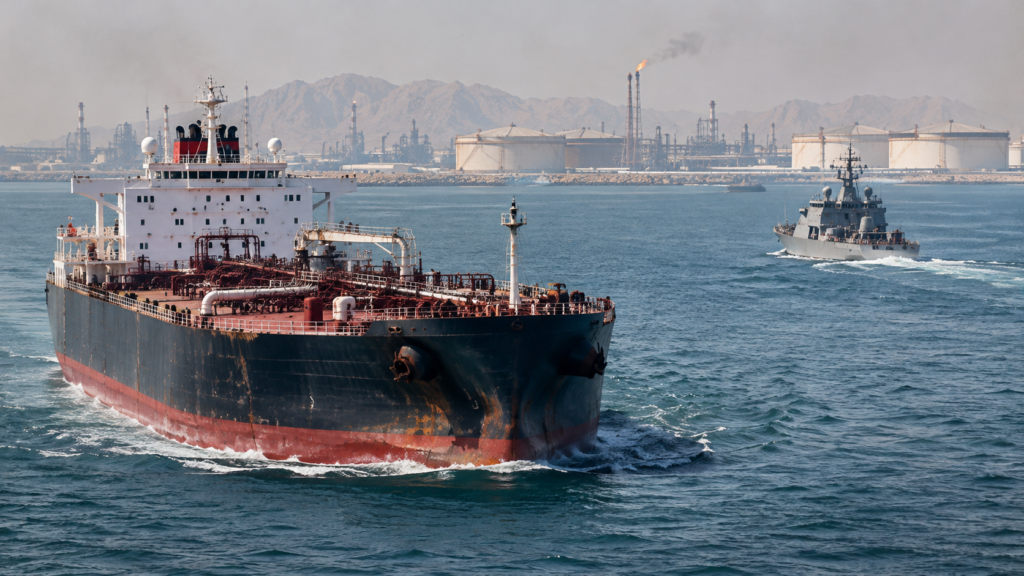
Iranian drones reportedly attacked a US military radar installation in Bahrain. Separately, a commercial vessel in the Strait of Hormuz was reportedly struck twice, with its crew unaccounted for in the initial reporting.
The incidents have renewed concerns about the security of one of the world’s most important energy transportation routes.
The Strait of Hormuz connects the Persian Gulf with international shipping routes and remains essential for crude oil and petroleum product exports from major Middle Eastern producers.
Any prolonged disruption could affect export volumes, increase transportation costs and introduce additional volatility into global energy markets.
Supply Expectations Limit Oil’s Recovery
Despite renewed geopolitical concerns, the broader supply outlook continues to limit the recovery in oil prices.
The International Energy Agency has warned that the global oil market could return to a supply surplus during the fourth quarter as Middle Eastern exports recover faster than demand.
This creates a difficult balance for traders.
On one side, military tensions and shipping disruptions increase the risk of temporary supply shortages. On the other, recovering export volumes and expectations of weaker demand suggest that the global market could have more crude available than it needs.
The difference between these two forces explains why geopolitical headlines have not necessarily translated into a sustained increase in oil prices.
Another important factor is the US inventory outlook. Market participants are expecting a decline in commercial crude stocks, according to a Reuters poll.
The American Petroleum Institute’s inventory figures are expected at 20:30 GMT on November 17, followed by official Energy Information Administration data on Wednesday.
The reports could provide additional insight into US demand, refinery activity and the balance between domestic production and consumption.
Natural Gas: US and European Markets Diverge
Natural gas is showing a different pattern from crude oil, with US and European benchmarks responding to separate supply and demand conditions.
In the United States, front-month natural gas futures declined more than 2%, trading near $3.15 per million British thermal units (MMBtu).
The decline reflects forecasts of milder weather, which have reduced expectations for heating demand.
Analysts estimate that US natural gas inventories could reach approximately 2.4% above their seasonal average, compared with a surplus of around 2% in the previous week.
Higher inventories provide a cushion against short-term supply disruptions and reduce the urgency for additional storage injections.
Demand forecasts are also weakening. Data from LSEG indicated that average US natural gas demand, including exports, could decline from 124.3 billion cubic feet per day to 120.9 billion cubic feet per day in the following week.
Together, milder weather, relatively comfortable inventories and recovering production are creating a bearish near-term environment for US natural gas.
Europe: Storage and LNG Remain Critical
European natural gas markets face a different set of challenges.
Dutch TTF futures experienced an early-session increase of as much as 2.1%, as geopolitical developments in the Middle East and colder weather expectations raised concerns about winter supply security.
However, price movements remained volatile, with later market indications showing that the initial gains were not sustained uniformly.
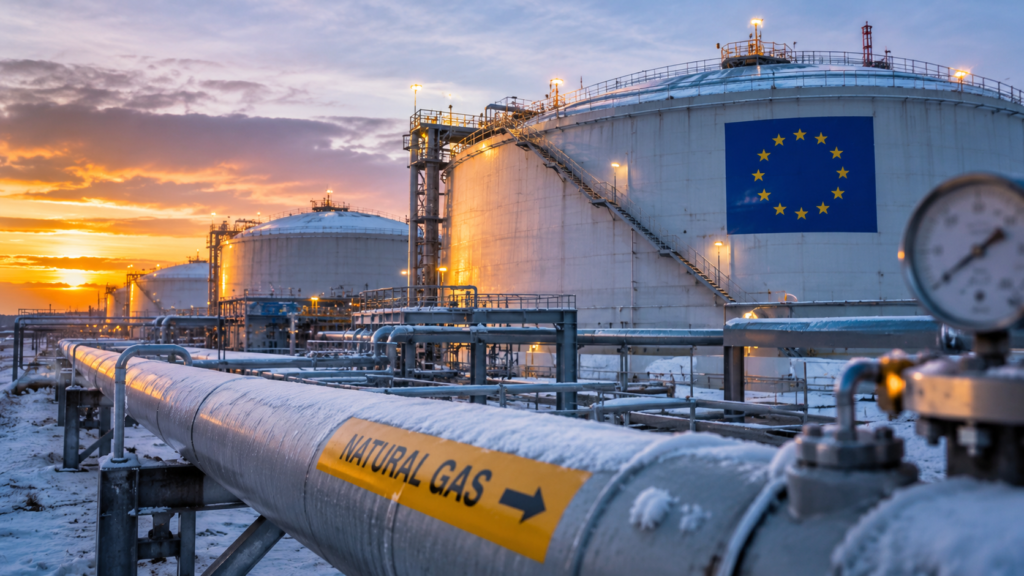
European gas storage stood at approximately 70.4% of capacity on November 15, compared with 82% during the same period last year.
The difference highlights the relatively weaker starting position for the 2026–2027 heating season.
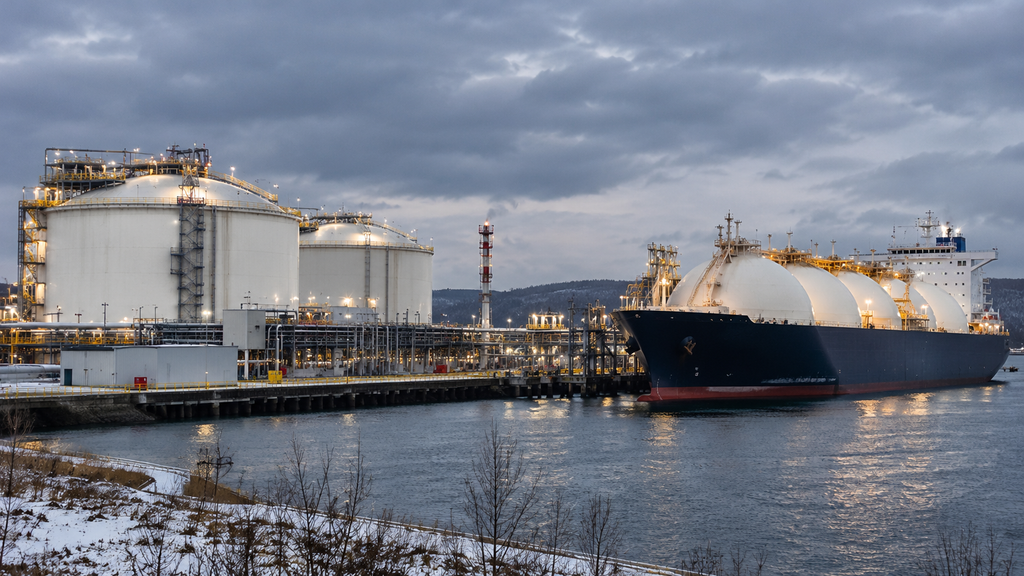
Lower storage levels increase Europe’s dependence on continued LNG deliveries, pipeline imports and favourable weather conditions.
Geopolitical tensions involving Iran also introduce additional uncertainty because disruptions to energy infrastructure or shipping routes could affect LNG availability and transportation costs.
The European market is therefore more exposed to international supply risks than the current US natural gas market, where domestic production and storage provide greater flexibility.
The Energy Market’s Two Different Stories
The latest developments highlight an increasingly divided global energy market.
Crude oil is balancing geopolitical supply risks against expectations of a global surplus. Natural gas, meanwhile, is being influenced by sharply different regional fundamentals.
In the United States, mild weather and relatively comfortable storage levels are weighing on prices. In Europe, lower inventories, winter demand and dependence on international LNG supplies create a more sensitive market environment.
The Strait of Hormuz remains a central variable for both markets, particularly if tensions begin affecting energy transportation beyond isolated incidents.
Upcoming Market Catalysts
Several developments could influence energy prices over the coming sessions:
- US crude inventories: API figures on November 17 at 20:30 GMT, followed by official EIA data on November 18.
- Middle East security: Further developments involving the Strait of Hormuz, Bahrain and regional shipping routes.
- European gas storage: Weekly changes in inventory levels as the winter heating season progresses.
- Weather forecasts: Changes in temperature expectations across North America and Europe.
- LNG availability: Export flows, shipping conditions and the availability of alternative supply routes.
The direction of energy markets will depend on whether geopolitical risks begin translating into sustained physical supply disruptions or whether improving export flows and weaker demand regain control of price formation.
For now, oil and natural gas are telling two different stories: geopolitical risk is supporting crude, while regional supply and weather fundamentals are driving natural gas in opposite directions.
Sources
- Reuters – Oil Prices Catch Between Tanker Attacks and Rising Middle East Exports. Reuters
- Business Recorder / Reuters – US Natural Gas Falls on Mild Weather Forecasts. Business Recorder
- Morgan Downey – Global Natural Gas and LNG Market Briefing, November 17. Tuesday, November 17, 2026
- The Wall Street Journal – Energy and Utilities Market Roundup. The Wall Street Journal
- Editorial Disclosure & Transparency.