Summary: Oil prices are caught between escalating geopolitical risks in the Middle East and growing concerns about a global supply surplus. Attacks on commercial vessels in the Strait of Hormuz and Saudi energy infrastructure are threatening the recovery of crude shipments, while rising US inventories and the upcoming OPEC+ meeting add uncertainty to the market outlook.
◉ Brent crude climbed towards $96 per barrel as renewed attacks on tankers and Saudi energy infrastructure increased supply concerns.
◉ The November 29 OPEC+ meeting could become a critical event for determining global oil supply expectations heading into 2027.
Geopolitical Risks Return to the Oil Market
US crude oil stocks rose by 1.1 million barrels to 418.9 million barrels, recording a third consecutive weekly increase.
The global oil market is facing renewed uncertainty as escalating tensions across the Middle East threaten to interrupt the gradual recovery in crude shipments from the Persian Gulf.
After experiencing substantial declines earlier in November, oil prices recovered during the latest trading sessions as security risks surrounding the Strait of Hormuz intensified.
The situation became more complicated following reports of attacks on commercial vessels travelling through the strategically important waterway.
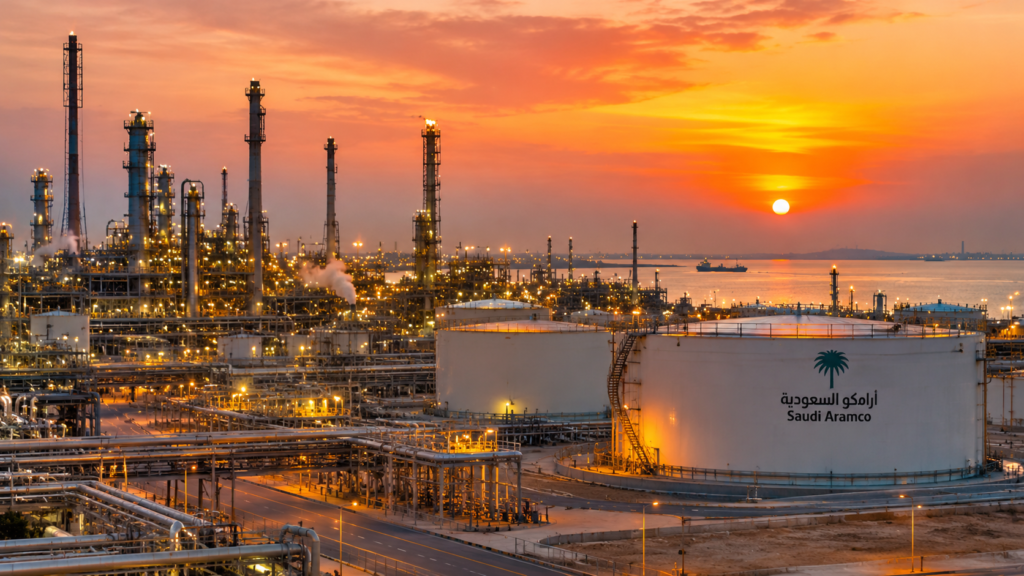
Iranian authorities also reported that tankers had struck naval mines, while Yemen’s Houthi movement claimed responsibility for attacks targeting Saudi Arabia’s Ras Tanura refinery and other infrastructure.
Ras Tanura is particularly important because the complex combines substantial refining capacity with a major crude export terminal.
Any prolonged disruption could affect both regional refining operations and international oil shipments.
The market is therefore beginning to reassess how vulnerable the global energy supply chain remains to further escalation.
Strait of Hormuz Remains a Critical Chokepoint
The Strait of Hormuz continues to represent one of the most important strategic routes in global energy transportation.
Connecting the Persian Gulf with international shipping routes through the Gulf of Oman, the passage handles a substantial proportion of internationally traded crude oil and petroleum products.
According to estimates cited by ANZ, oil flows through the strait remained at approximately 49% of normal levels despite recent improvements.
The recovery in Persian Gulf exports has therefore remained incomplete.
Higher freight costs, security concerns and uncertainty surrounding negotiations between Washington and Tehran are also influencing shipping decisions.
For oil markets, the problem is not limited to the possibility of an immediate supply interruption.
Even without a complete closure of the waterway, reduced tanker traffic, higher insurance premiums and longer shipping routes can increase transportation costs and delay deliveries.
These developments can create additional upward pressure on crude prices.
US Inventories Provide a Counterweight
Despite the geopolitical developments, the latest American inventory figures are providing an important counterbalance to bullish supply concerns.
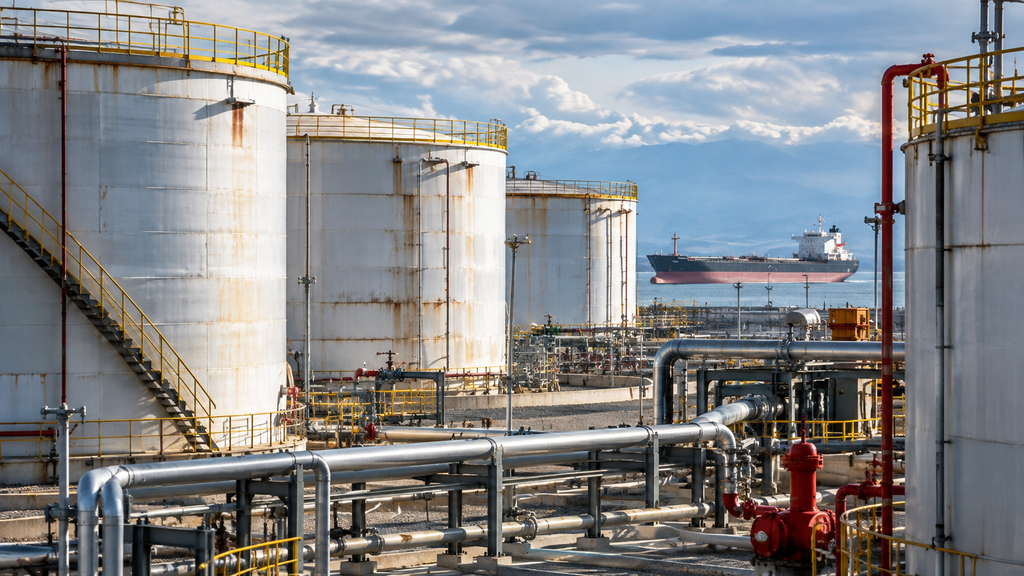
US commercial crude inventories increased by 1.1 million barrels to 418.9 million barrels during the week ending November 20, according to the Energy Information Administration.
This represented the third consecutive weekly increase.
The build was slightly smaller than market expectations of approximately 1.5 million barrels.
Higher imports and weaker exports contributed to the accumulation, while US crude exports declined to their lowest level since early August.
The inventory increase highlights an important contradiction within the current oil market.
While geopolitical tensions are threatening physical supply routes, the United States continues to accumulate crude inventories.
This suggests that the global market is dealing with two competing developments: potential disruptions to future supply and evidence of relatively comfortable near-term availability in certain regions.
Oil Prices Recover Towards $96
The latest developments have pushed both major oil benchmarks higher.
Brent crude traded around $94.60 per barrel during early Asian trading on Thursday before strengthening later in the session.
By 12:11 GMT, Brent had reached approximately $94.96, while subsequent market reports placed it above $96.
US West Texas Intermediate also recovered towards $85 per barrel.
The latest recovery followed gains of approximately 3.5% in Brent and 2% in WTI during Wednesday’s session.
However, the broader picture remains more complicated.
Oil prices had previously fallen sharply as expectations of increasing global supply outweighed geopolitical concerns.
The latest recovery therefore represents a reassessment of supply risks rather than clear evidence that the market has entered a sustained upward trend.
OPEC+ Faces a Difficult Decision
Attention is now turning towards November 29, when OPEC+ ministers are scheduled to discuss production policy for 2027.
The alliance faces a complicated balancing act.
On one side, higher production could increase market supply and place additional pressure on prices if global demand fails to absorb the additional barrels.
On the other, continued geopolitical disruptions could make the availability of crude less predictable.
Internal disagreements also remain relevant, particularly regarding production capacity and future quotas involving Iraq and Kazakhstan.
The United Arab Emirates’ departure from the alliance adds another structural consideration to the group’s future supply strategy.
Reports indicate that OPEC+ could maintain its existing production targets through at least the first quarter of 2027.
Such a decision would suggest that the alliance remains cautious about increasing supply while geopolitical risks and demand expectations remain uncertain.
The Global Oil Balance Is Becoming More Fragile
The current oil market is increasingly being influenced by the difference between available production capacity and reliably deliverable supply.
A country may have sufficient production capacity, but that does not automatically mean crude can reach international buyers without logistical or geopolitical obstacles.
The Strait of Hormuz illustrates this distinction.
Even if global production remains relatively strong, disruptions to shipping routes can temporarily reduce the volume of oil reaching international markets.
At the same time, expectations of a global supply surplus remain a significant obstacle to a sustained price rally.
The International Energy Agency’s outlook for the coming period has highlighted the possibility of substantial supply growth relative to demand.
This creates a market in which geopolitical developments can generate sudden price increases, while underlying supply fundamentals continue to limit the potential for a prolonged rally.
What Comes Next for Oil?
Three developments will remain particularly important for the direction of crude prices.
First, the security situation around the Strait of Hormuz will determine whether regional oil shipments can continue recovering.
Second, the November 29 OPEC+ meeting could provide greater clarity about production policy for 2027.
Third, US inventory data and international demand developments will help establish whether the market is moving towards a genuine supply surplus.
For now, oil is navigating a difficult combination of geopolitical instability, recovering production flows and growing inventory levels.
The central question is whether the latest supply disruptions will prove temporary or become a more persistent obstacle to the recovery of global energy trade.
Sources
- Investing.com – Oil Steadies as Hormuz Attacks Threaten Supply Recovery
- Reuters – Oil Rises as Mine Strikes on Ships Revive Supply Concerns
- Reuters – Oil Prices Rise After Houthis Claim Saudi Refinery Attack
- The Wall Street Journal – Oil Mixed Amid Middle East Attacks and US Inventory Build
- Reuters – Oil Prices Edge Up After Hormuz Shipping Disruptions
Editorial transparency: Denarni Fokus Editorial Disclosure & Transparency