Summary: Nvidia shares climbed 4.7% in premarket trading on November 27 as investors returned to technology and semiconductor stocks following a difficult month for AI-related equities. AMD, Broadcom and major data-centre companies also advanced. The rebound signals renewed appetite for beaten-down technology shares, although concerns about AI infrastructure spending, financing costs and future investment returns remain unresolved.
◉ Nvidia gained approximately 4.7% in premarket trading, while AMD advanced 7% and Broadcom gained 4.7% as semiconductor investors returned to the market.
◉ Nasdaq 100 futures climbed approximately 2.87%, while S&P 500 futures advanced 1.98%, signalling a broad recovery across technology and growth stocks.
◉ Despite the rebound, Nvidia remained more than 37% below its October record high, highlighting the scale of the recent correction in AI-related equities.
Technology Investors Return
US technology stocks showed renewed strength on Friday as investors began returning to companies that had experienced substantial selling pressure throughout November.
Nvidia was among the strongest performers in premarket trading, gaining approximately 4.7%.
The recovery extended across the semiconductor industry, with Advanced Micro Devices advancing around 7% and Broadcom gaining approximately 4.7%.
The move was part of a broader recovery in US equity futures following the Thanksgiving holiday.
Nasdaq 100 futures advanced approximately 2.87%, while S&P 500 futures gained 1.98%. Dow Jones futures also moved higher.
The rebound indicates that investors are increasingly willing to re-enter selected technology positions after the recent correction.
However, the recovery is taking place against a market environment that remains considerably more cautious than during the earlier AI investment rally.
The central question is whether current valuations adequately reflect the future earnings potential of artificial intelligence infrastructure.
Nvidia Remains at the Centre
Nvidia continues to occupy a central position in the global artificial intelligence investment cycle.
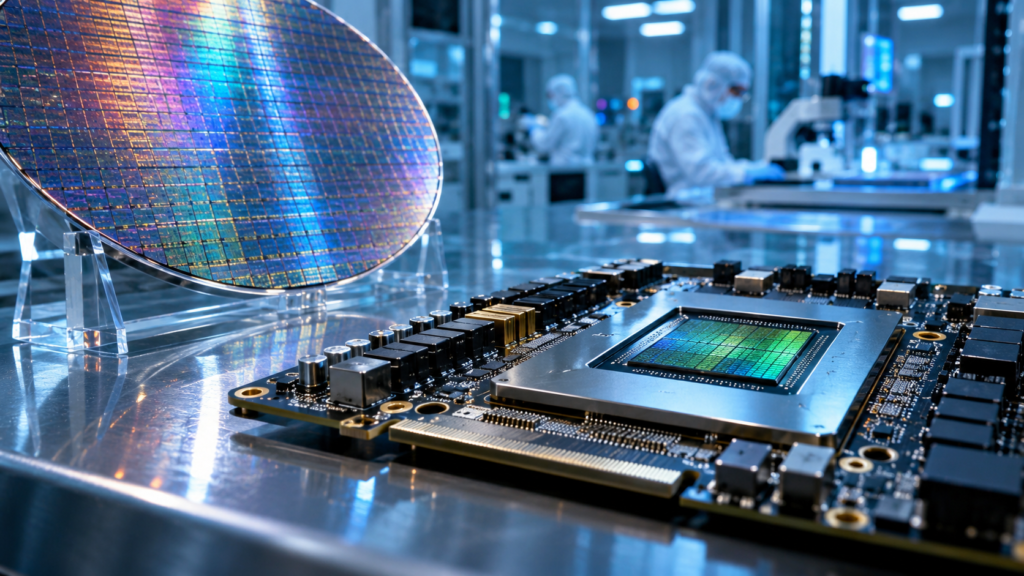
Its graphics processing units are essential components of modern AI infrastructure, supporting the training and deployment of increasingly sophisticated models.
The company’s customers include major cloud providers, technology platforms and specialised AI infrastructure operators.
Despite its strong position, Nvidia shares have experienced significant volatility.
The stock remained more than 37% below its October record high based on its previous closing price, even after Friday’s premarket recovery.
This illustrates the difference between a short-term rebound and a broader recovery in investor confidence.
Market participants are increasingly examining whether demand for AI computing capacity can continue growing quickly enough to justify the enormous capital commitments being made by technology companies.
Nvidia’s future performance is therefore closely connected to the investment decisions of its largest customers.
AMD and Broadcom Join the Rally
The recovery was not limited to Nvidia.
AMD advanced approximately 7%, while Broadcom gained around 4.7%.
Both companies occupy important positions in the semiconductor ecosystem, although their business models differ.
AMD competes in high-performance computing and data-centre processors, while Broadcom provides networking technology, semiconductor solutions and specialised AI infrastructure components.
Demand for advanced computing systems is creating opportunities across several layers of the AI supply chain.
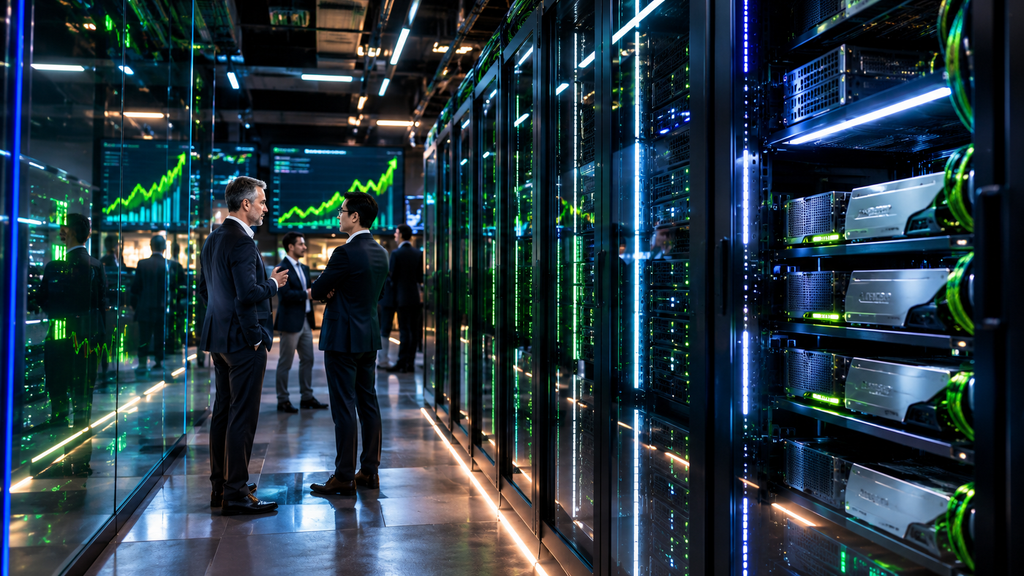
As data-centre operators expand their infrastructure, spending extends beyond processors to include networking, memory, storage, power management and high-speed connectivity.
This broad investment environment explains why semiconductor companies frequently move together during changes in AI market sentiment.
The latest recovery suggests that investors are reassessing valuations across the wider industry rather than focusing exclusively on Nvidia.
AI Infrastructure Stocks Recover
The rebound also extended into companies supporting the construction and operation of AI data centres.
Alphabet, Amazon, Microsoft, Meta Platforms and Oracle recorded premarket gains ranging between approximately 2.3% and 5.3%.
Specialised infrastructure providers also advanced.
CoreWeave gained approximately 7.9%, while Nebius climbed around 9.5%. Storage, optical networking and server manufacturers participated in the recovery as investors returned to companies connected to expanding AI computing capacity.
This broader participation is important because the AI investment cycle involves considerably more than semiconductor manufacturing.
Modern AI infrastructure requires enormous investments in:
- High-performance processors and accelerators.
- Data-centre construction and cooling systems.
- Electricity generation and grid infrastructure.
- High-speed networking and optical connectivity.
- Enterprise storage and memory systems.
The recovery across these segments suggests that investors are once again considering the longer-term growth potential of the entire AI infrastructure ecosystem.
However, rising share prices do not necessarily indicate that concerns about the underlying economics have disappeared.
The AI Spending Debate Remains Unresolved
November’s technology sell-off exposed a growing disagreement among investors about the sustainability of artificial intelligence investment.
Major technology companies are committing unprecedented amounts of capital to data centres, computing infrastructure and AI development.
The spending is supported by expectations that demand for AI services will continue expanding.
However, investors are increasingly questioning how quickly these investments will generate sufficient revenue and operating profits.
The issue is particularly relevant for hyperscalers.
Companies such as Microsoft, Amazon, Alphabet, Meta and Oracle are competing to secure computing capacity while simultaneously financing infrastructure expansion.
The commercial returns remain uncertain, especially as depreciation, electricity consumption, financing costs and operating expenses increase.
This creates two competing investment narratives.
The first suggests that AI infrastructure is still in the early stages of a major technological expansion.
The second argues that the industry risks building computing capacity faster than profitable demand can develop.
The latest rebound has not resolved this disagreement.
Wall Street Recovers After a Difficult November
The broader market recovery comes after several weeks of considerable volatility.
The Nasdaq 100 approached a 20% decline from its October peak during Wednesday’s session before recovering.
The S&P 500 and Nasdaq have also been heading towards their worst November performance since 2008, reflecting the scale of the recent deterioration in investor sentiment.
Concerns surrounding AI valuations, rising infrastructure expenditure, borrowing requirements and potential regulatory changes have contributed to the selling pressure.
The recovery on Friday has improved the short-term picture, but it has not erased the losses accumulated during the month.
Another important factor is the macroeconomic environment.
Stronger US economic growth and persistent inflation have reinforced expectations of another Federal Reserve interest-rate increase in December.
Higher interest rates can place additional pressure on technology valuations, particularly companies whose expected earnings growth is concentrated further into the future.
Thanksgiving Trading Adds a Liquidity Factor
Friday’s session also comes with an unusual trading environment.
US markets reopened following the Thanksgiving holiday but were scheduled to close early.
Lower trading volumes can amplify price movements and make it more difficult to distinguish between institutional buying and short-term positioning.
The premarket gains therefore provide an indication of improving sentiment, rather than confirmation of a sustained recovery.
The next full trading sessions will be more informative about the durability of the move.
What Comes Next for AI Stocks?
The next phase of the technology market will depend on whether improving sentiment is supported by corporate earnings and sustainable investment returns.
Three developments deserve particular attention:
- Nvidia’s demand outlook: Whether demand for AI accelerators remains strong enough to support future revenue and earnings growth.
- Data-centre economics: Whether hyperscalers can convert enormous infrastructure investments into sustainable cash flows and profitability.
- Interest-rate expectations: Whether persistent US inflation creates additional pressure on high-growth technology valuations.
The semiconductor industry remains strategically important to the development of artificial intelligence.
However, the market is increasingly distinguishing between companies benefiting from AI demand today and businesses whose valuations depend on future commercial opportunities.
Friday’s rebound demonstrates that investor appetite for technology stocks has not disappeared.
The more important question is whether the next phase of AI investment can deliver financial returns that justify the scale of capital being deployed.
For Nvidia and the wider semiconductor industry, that distinction could determine the direction of the next major market cycle.
Sources
- Reuters – Nasdaq Futures Surge as Investors Return to Beaten-Down AI Stocks, November 27
- Reuters – Global Stocks Rally on AI Rebound After Bruising Month, November 27
- Reuters – AI Stock Rout Deepens as Infrastructure Spending Concerns Grow, November 25
- Euronext – Global Stocks Rally as Technology Shares Recover
- Denarni Fokus – Editorial Disclosure & Transparency