Short description: The Fort Lauderdale International Boat Show returns from 28 October to 1 November 2026, bringing superyacht builders, brokers, buyers and marine-industry leaders to South Florida. Beyond its luxury lifestyle appeal, the event is a major commercial marketplace where yacht sales, shipyard innovation and wealthy buyers’ changing preferences converge.
◉ A global marine marketplace: The 67th edition spans multiple waterfront venues, with more than 1,300 boats and over 1,000 exhibiting brands expected to attract international buyers and industry professionals.
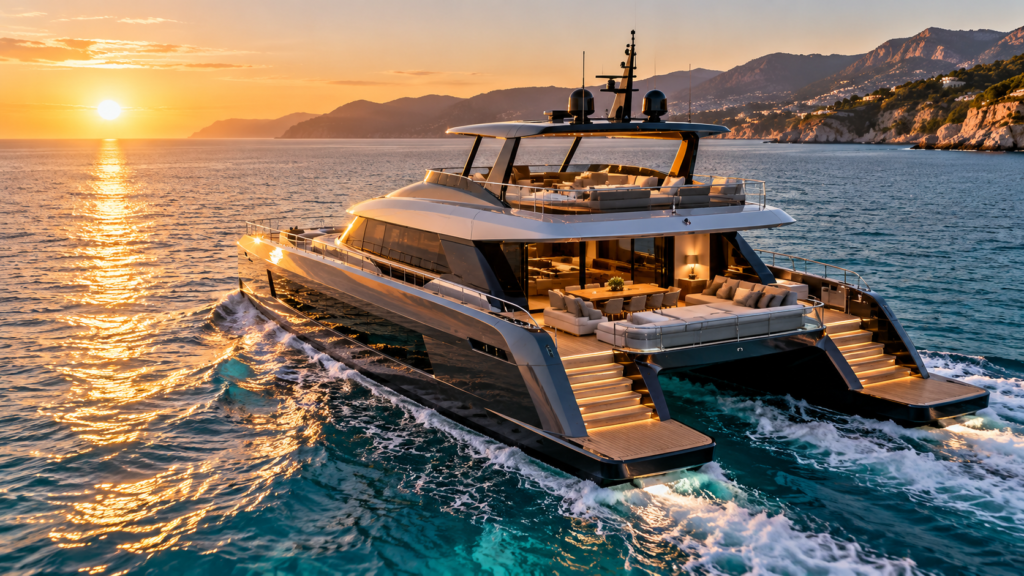
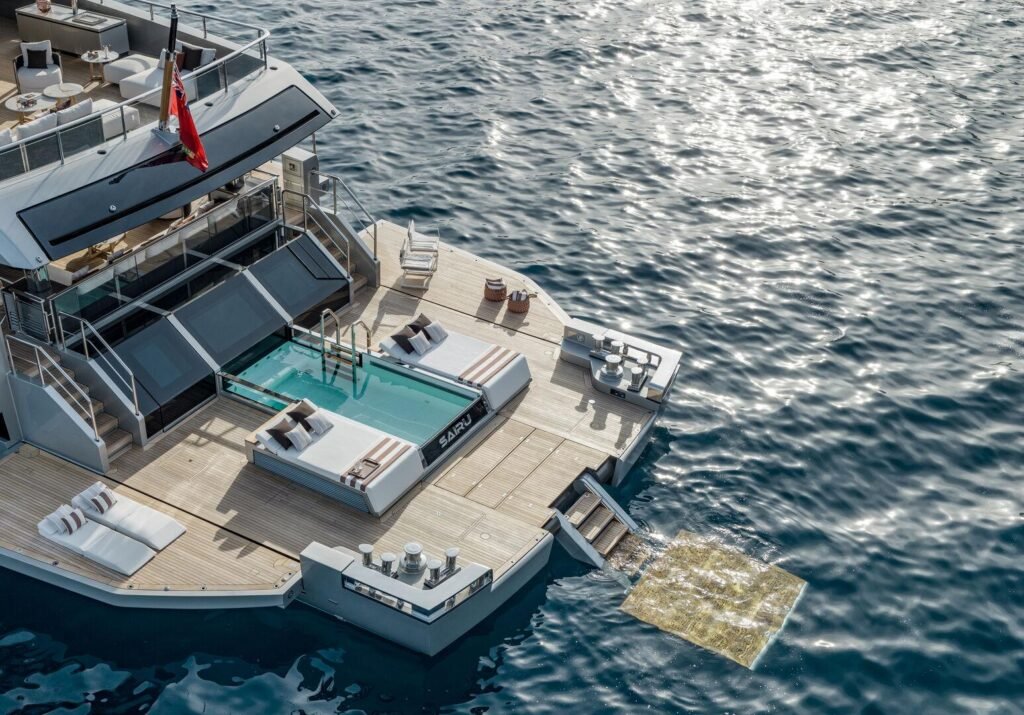
◉ Superyachts take centre stage: The announced lineup includes vessels measuring up to 305 feet, alongside new models, brokerage listings and yachts featuring emerging propulsion technologies.
◉ The business extends beyond sales: Yacht construction, refits, charter operations, marine equipment and hospitality all contribute to the wider economic footprint of the event.
More Than a Luxury Showcase
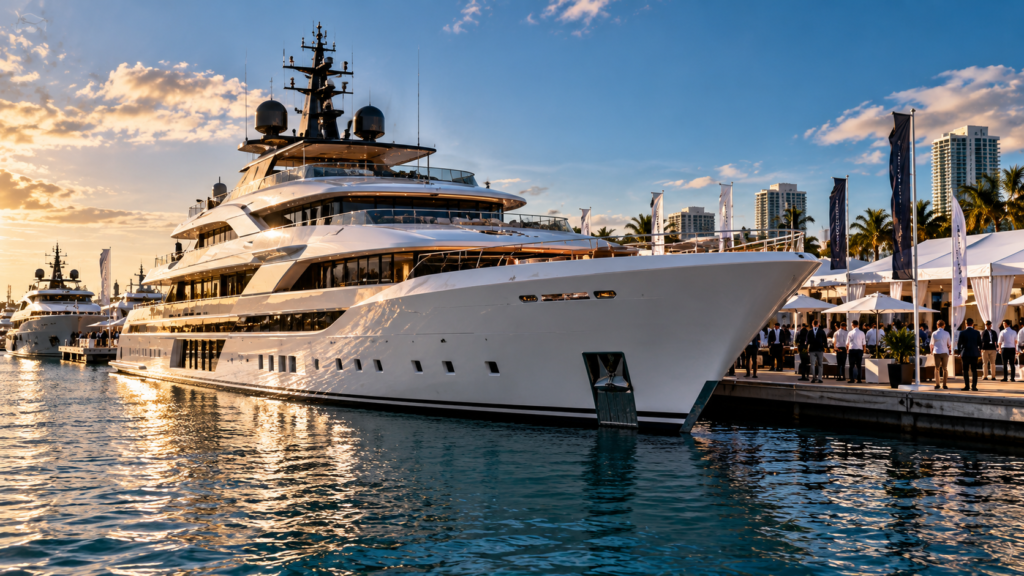
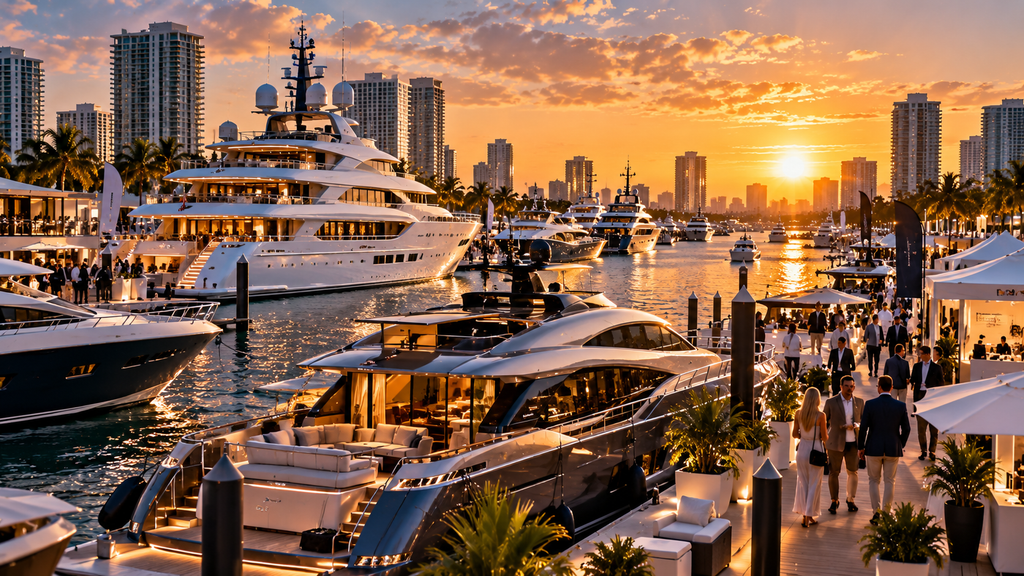
The Fort Lauderdale International Boat Show (FLIBS) opens on Wednesday, 28 October, for its 67th edition, running through Sunday, 1 November. Recognised as the world’s largest in-water boat show, it brings together a broad cross-section of the global marine industry.
The event stretches across several waterfront locations, including Bahia Mar Yachting Center, Pier Sixty-Six, Las Olas Marina, Hall of Fame Marina and the Broward County Convention Center. Its scale allows visitors to compare everything from sportfishing boats and family cruisers to large superyachts and specialist marine technology.
Organisers report that the show attracts more than 100,000 attendees and over 1,000 exhibiting brands. Its estimated economic impact is approximately $1.79 billion across Florida, reflecting not only vessel transactions but also visitor spending, hospitality, transport and related business activity.
Superyachts and New Models
The 2026 programme highlights the industry’s broad range of vessels and technical ambitions. The announced lineup includes the 305-foot superyacht DRAAK, alongside major brokerage yachts and new models from international builders.
For shipyards, a major US show offers a concentrated opportunity to introduce products to prospective buyers, brokers and existing yacht owners. A vessel displayed at the event may attract purchase enquiries, charter interest or discussions about a future custom build.
New-model launches also provide a view of where manufacturers are competing: onboard space, design, performance, range, comfort and the integration of new technology. Hybrid propulsion and efficiency improvements are part of a wider industry discussion about operating costs and environmental performance, although adoption varies substantially by vessel type and owner requirements.
Where the Money Flows
The economic importance of FLIBS extends well beyond the initial price of a yacht. Large-vessel purchases can lead to years of expenditure on crew, maintenance, insurance, refits, berthing, fuel and onboard systems.
Refit and brokerage businesses are therefore important parts of the market. Owners may choose to upgrade an existing yacht rather than commission a new build, while brokerage transactions allow vessels to change hands without waiting for shipyard production slots.
Charter operators add another commercial dimension. A yacht purchased for private use may also be made available for charter, depending on its configuration, management arrangements and owner preferences. This creates potential revenue, but also brings operating costs, maintenance requirements and regulatory obligations.
For shipyards and marine suppliers, the show offers a chance to build relationships that can develop into contracts long after the docks have cleared.
What Buyers Are Looking For
The market serves several distinct groups. Some buyers prioritise large, custom-built yachts for long-distance cruising. Others seek sportfishing capability, family use, charter potential or a vessel that can be delivered sooner through the brokerage market.
The scale of a yacht is only one part of the decision. Range, crew requirements, operating expenses, maintenance schedules and access to suitable marinas can significantly influence the total cost of ownership.
Technology is another differentiator. Manufacturers are exploring hybrid systems, more efficient hull designs, automation and improvements in onboard energy management. These developments reflect a combination of operating-cost considerations, regulatory pressures and buyer interest in newer systems.
However, technology alone does not determine demand. Reliability, service availability, resale prospects and the practical needs of owners remain central to the purchase decision.
The Industry Beyond the Marina
FLIBS also provides a useful snapshot of the international marine economy. US buyers are a key audience, while European shipyards and global brokerage firms use the event to reach customers across the Americas.
The show connects multiple parts of the value chain: yacht design, shipbuilding, financing, insurance, maintenance, charter management and luxury hospitality. A major sale can support activity across several of these sectors, although the economic effects vary depending on where a vessel is built, registered, managed and maintained.
The event’s headline figures indicate substantial commercial reach, but attendance and estimated economic impact should not be confused with confirmed yacht sales. Actual transaction volumes and final contract values are not necessarily disclosed publicly.
A Barometer for Luxury Marine Demand
The Fort Lauderdale International Boat Show remains an important meeting point for an industry where transactions are high-value, highly individual and often negotiated over extended periods.
Its significance lies not only in the yachts on display, but in the relationships and commercial decisions taking place around them. New orders can shape shipyard workloads, refit demand can support marine-service businesses, and brokerage activity can reveal how owners are reassessing their vessels.
As the 2026 edition opens, the key questions for the industry concern the strength of buyer demand, the balance between new builds and brokerage sales, and the extent to which innovation can improve the ownership experience.
For Denarni Fokus, FLIBS offers a window into the economics of premium lifestyle assets—and into the global businesses that support them.