A Different Model for Superyachts
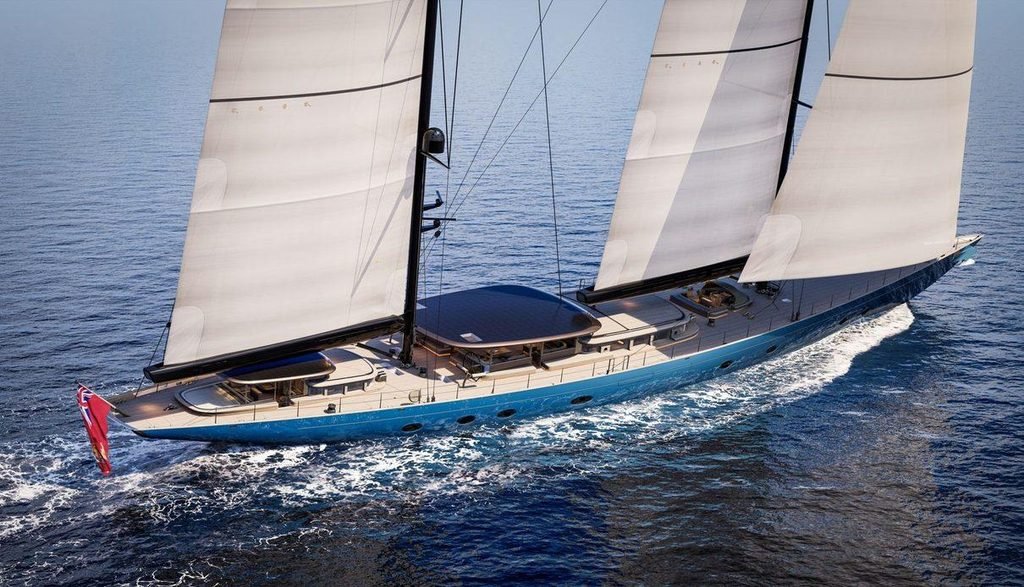
The 68.9-metre sailing yacht Zero entered the water in Harlingen, the Netherlands, in July 2026 after seven years of development, engineering and construction. Built by Vitters Shipyard, the yacht is designed to operate using energy harvested from wind, water and sunlight rather than relying on fossil fuels.
The project brings together Dutch yachtbuilding and specialist design expertise. Vripack handled the exterior and interior design, while Dykstra Naval Architects developed the hull form, sail plan and thruster design. The aluminium hull was constructed by Jacht- en Scheepswerf Gouwerok before being transferred to Vitters for outfitting.
Unlike a conventional motor yacht using diesel engines as its primary power source, Zero is designed around sailing and onboard renewable-energy generation. Its launch marks the transition from years of design work to the next challenge: testing the technology in real operating conditions.
Turning Movement Into Energy
A central feature is a 250 kW hydrogeneration system that generates electricity as the yacht moves through the water under sail. Hybrid photovoltaic-thermal panels add solar electricity and heat, while a battery system stores energy for use when generation and demand do not match.
The system is built around a microgrid and custom control software that coordinate generation, storage and consumption across the yacht. Its design also considers energy used for heating, cooling, ventilation and water production, rather than treating propulsion as an isolated problem.
Engineering Beyond the Propulsion System
The yacht’s energy concept changes how the vessel is designed and operated. Its two masts, onboard electrical network and energy-management software all contribute to the wider system. A battery capacity of approximately 5.2 MWh provides storage, helping balance fluctuating renewable generation with onboard demand.
The project is also intended to share its findings. Through Foundation Zero, technical information, research and selected software and system-design details are being made available for other engineers and marine businesses to study and adapt.
The Real Test Begins at Sea
The launch is an important milestone, but it does not by itself prove the yacht can meet every performance target in real-world conditions. Commissioning and sea trials are needed to test how the systems operate together, measure energy production and consumption, and assess reliability across different sailing conditions.
For the superyacht industry, that evidence could be more valuable than the launch alone. If the approach delivers the intended autonomy and onboard comfort, it could provide a reference for future vessels seeking to reduce dependence on fossil fuels.
Zero is therefore both a sailing yacht and a full-scale engineering project. Its significance will ultimately be determined by measured results at sea—and by whether the technology can be adapted economically to other vessels.
Sources
- Marine Industry News — Renewable-Powered Sailing Yacht Zero Launched in the Netherlands
- Dykstra Naval Architects — SY Zero Launched
- Jachtbouw Nederland — Zero Puts Fossil-Free Superyacht Technology to the Test
- SuperYacht24 — The 68.9-Metre Zero Sailing Yacht Is Now in the Water