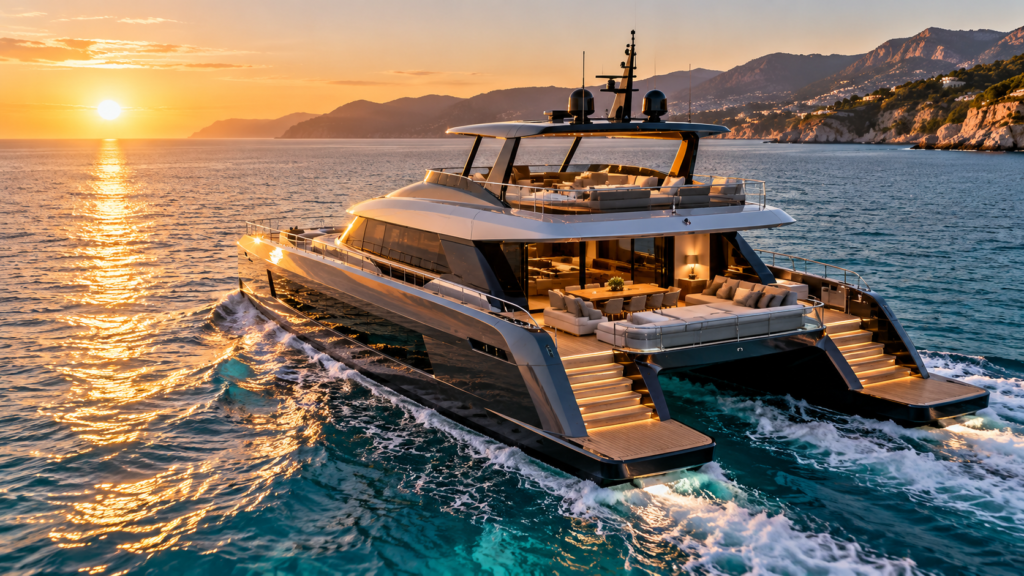
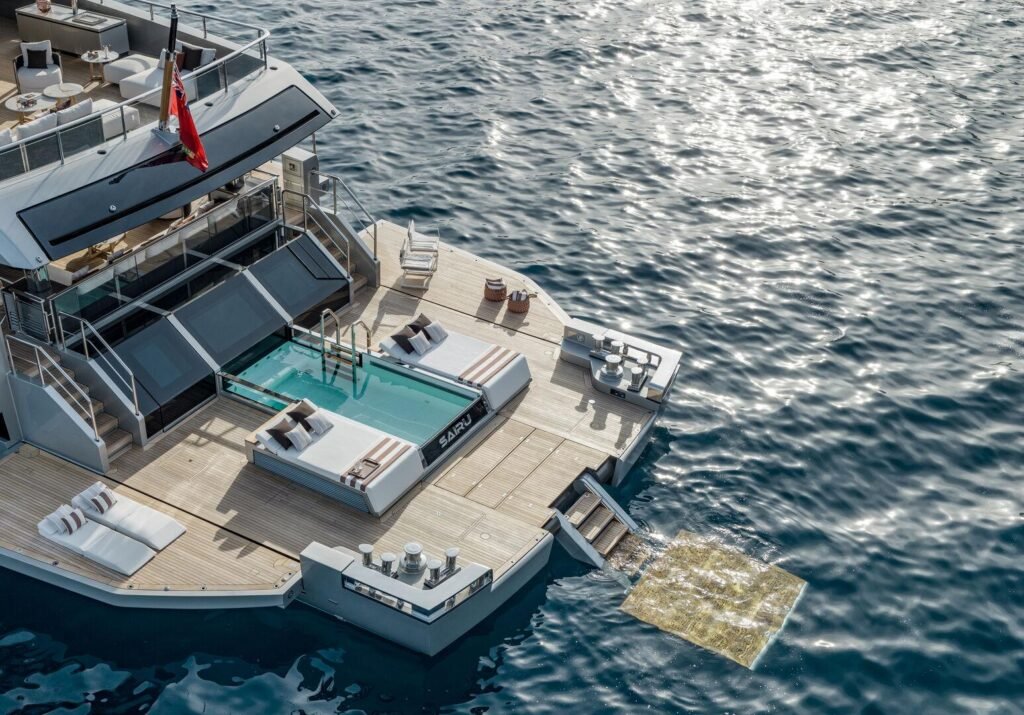
Luxury marinas are emerging as a distinctive investment opportunity at the intersection of waterfront real estate, tourism and the global yachting industry. As demand for berths for larger vessels increases in parts of the Mediterranean, investors are paying closer attention to the infrastructure that supports high-end yacht ownership.
The appeal goes beyond the prestige of a waterfront location. Prime marinas can generate income from berthing fees, fuel, maintenance, provisioning, hospitality and related services. Where suitable coastal land is limited and new development faces environmental or planning restrictions, established facilities may benefit from a structural supply advantage.
For private capital, the central question is whether scarce berthing capacity can translate into durable cash flow and long-term asset value.
The Supply Constraint
The Mediterranean remains a major destination for luxury yachts, drawing owners and charter operators to established coastal hubs across France, Italy, Spain, Croatia and Greece.
Yet expanding marina capacity is not as straightforward as building a hotel or residential complex. Projects require suitable water depth, sheltered access, navigation infrastructure, environmental approvals and connections to shore-based services. In popular destinations, competing uses of coastal land and restrictions on waterfront development can make new facilities particularly difficult to establish.
Larger yachts add another layer of complexity. They need deeper berths, wider manoeuvring areas and specialised shore infrastructure. A marina designed for smaller leisure boats cannot necessarily accommodate a growing fleet of larger vessels without significant investment.
This creates a potential advantage for established marinas that already possess the necessary location, permits and infrastructure.
Private Equity Sees an Infrastructure Opportunity
The investment case is increasingly attracting institutional capital. Marina operators can combine recurring berthing income with revenue from yacht services, restaurants, retail, maintenance and hospitality. Larger operators may also improve profitability through centralised booking systems, coordinated services and investment across multiple locations.
The scale of recent transactions illustrates this interest. Blackstone agreed to acquire Safe Harbor Marinas in a deal valued at approximately $5.65 billion in 2025. In 2026, French investment firm InfraVia agreed to acquire Mediterranean marina operator D-Marin from CVC Capital Partners in a transaction reported at more than €1 billion.
These deals indicate that investors increasingly view marinas as specialised infrastructure businesses rather than simply seasonal leisure facilities.
However, acquisition prices matter. High valuations can reduce future investment returns, particularly if berthing demand weakens, operating costs rise or expansion takes longer than anticipated.
The Economics of Scarce Berths

The strongest assets are not necessarily the marinas with the largest number of berths. Location, water depth, vessel size capacity, access to maintenance facilities and proximity to major airports can be equally important.
A marina near an established yachting destination may attract owners who value reliable access during peak season. That can support premium pricing, particularly when comparable facilities are difficult to find nearby.
Long-term berth agreements can also provide revenue visibility, while additional services create opportunities to increase spending per vessel. Yet income varies with seasonality, occupancy, maintenance requirements and the contractual structure of each facility.
Investors must distinguish between owning a marina operating company, holding a concession to operate public waterfront infrastructure and purchasing rights to an individual berth. These structures carry different legal rights, liabilities and investment risks.
Risks Behind the Luxury Appeal
Scarcity alone does not guarantee investment success. Marina operators face significant capital expenditure, coastal permitting requirements, environmental obligations and exposure to changes in tourism and yacht ownership.
Climate-related risks, including storms, coastal flooding and rising sea levels, can increase insurance premiums and maintenance costs. Environmental restrictions may also limit dredging or physical expansion.
There is a further consideration for destinations that rely heavily on premium tourism. Higher prices and exclusive developments can create tensions with local communities, particularly when public waterfront access becomes more limited.
For investors, responsible development and effective long-term management are therefore essential to protecting both the commercial value and the reputation of a marina.
What Investors Should Watch
The next phase of the sector will depend on whether operators can turn limited capacity into sustainable returns.
Key indicators include berth occupancy, pricing trends, demand from larger yachts, operating margins and the cost of maintaining existing infrastructure. Investors should also assess the remaining term of operating concessions, planned capital expenditure and the practical scope for expansion.
Established operators with strong locations may benefit from limited new supply, but the most attractive opportunities will depend on the price paid and the quality of the underlying business.
The Outlook
Luxury marina infrastructure is attracting private capital because it combines real estate characteristics with recurring service revenue and a geographically constrained supply of premium berths.
The growth of the superyacht market supports the investment thesis, especially in established Mediterranean destinations. However, returns will depend on more than the continued expansion of yacht ownership. Operational efficiency, environmental resilience, purchase valuations and the ability to retain customers will determine which assets deliver lasting value.
For investors in luxury real estate and specialised infrastructure, marinas deserve attention as a distinct asset class. Their appeal lies not simply in the yachts they accommodate, but in the difficulty of reproducing the right location and infrastructure elsewhere.
Sources
- Financial Times — Marina Mania: Super-Rich Compete for Superyacht Slots
- Financial Times — Where to Park Your Superyacht
- Savills — Private Equity Sails Into Global Marina Ownership
- SuperyachtNews — Are Private Equity Firms Eyeing Marina Sell-Offs?
- SuperyachtNews — Private Capital and Superyacht Marina Investment