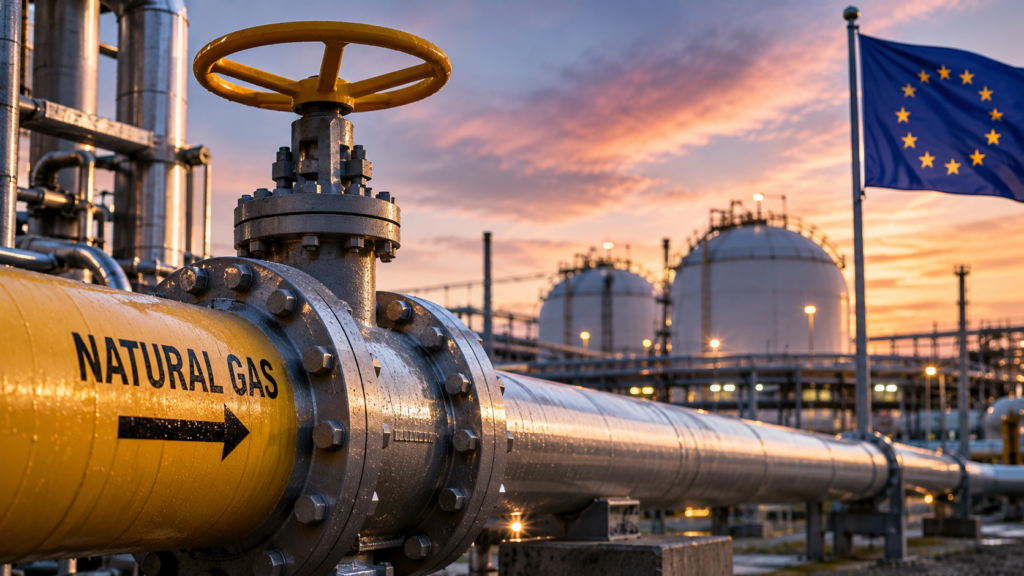
Summary: Oil markets are caught between two opposing forces: escalating uncertainty surrounding US–Iran relations and renewed expectations of diplomatic negotiations. Rising production, recovering regional exports and growing inventories are limiting prices, while continued attacks on shipping through the Strait of Hormuz keep geopolitical risks elevated.
◉ Brent crude traded around $92.22 per barrel on November 12, while WTI stood near $85.86, following another volatile trading session.
◉ Donald Trump’s comments that Washington does not need an agreement with Tehran have added uncertainty over the direction of US policy and the potential duration of the conflict.
◉ Reports of renewed diplomatic discussions involving Vice President JD Vance have repeatedly pressured oil prices by raising expectations of de-escalation.
◉ Production reached 10.56 million barrels per day in October in Saudi Arabia , while US industry data indicated an unexpected 9-million-barrel increase in crude inventories.
◉ Attacks on commercial vessels and continuing disruption around the Strait of Hormuz remain the most significant geopolitical risks to global oil supply.
Oil Reverses Between Diplomacy and Geopolitical Risk
Oil markets experienced another turbulent session on Thursday, November 12, as investors attempted to assess conflicting signals from Washington and Tehran.
The latest developments have created an unusual trading environment in which diplomatic optimism can push crude prices lower, while statements suggesting a prolonged confrontation can quickly restore the geopolitical risk premium.
The market’s reaction reflects a fundamental uncertainty: whether the conflict between the United States and Iran is approaching a negotiated resolution or entering another period of escalation.
President Donald Trump’s comments that the United States does not need an agreement with Iran attracted particular attention. The remarks reinforced uncertainty over Washington’s negotiating position and raised questions about how quickly the conflict could be resolved.
For oil traders, the issue extends beyond political statements. The central concern is whether crude exports from the Middle East can return to normal levels without further disruption.
Trump’s Position Puts Iran Back in Focus
The latest comments from the White House have complicated expectations surrounding a potential diplomatic breakthrough.
Earlier signals from the Trump administration suggested that Washington was becoming more open to ending the conflict without additional large-scale military operations.
However, Trump’s statement that the United States does not need a deal with Iran introduced a different interpretation of the administration’s position.
The market must now consider two possible outcomes.
The first involves a negotiated settlement that gradually restores confidence in regional energy transportation and reduces the additional cost associated with geopolitical risk.
The second involves prolonged confrontation, continued pressure on Iranian exports and further uncertainty surrounding shipping through the Persian Gulf.
The distinction is particularly important because oil prices are influenced not only by current production but also by expectations about future availability.
Even without an immediate reduction in global output, the possibility of a prolonged disruption can influence futures prices, shipping costs and insurance premiums.
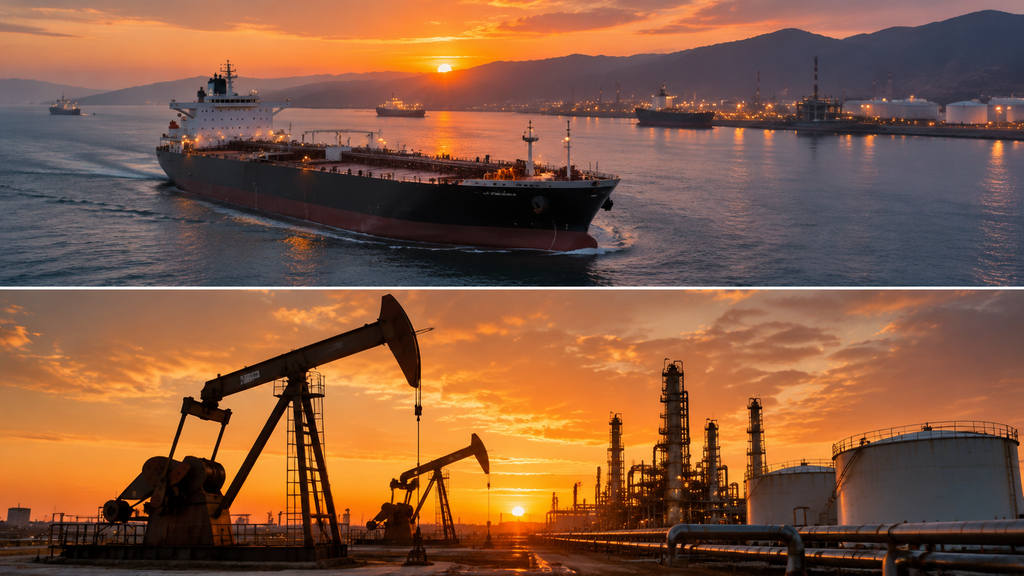
Diplomacy Creates Downward Pressure
While Trump’s remarks have supported the geopolitical risk premium, reports of renewed diplomatic activity have repeatedly encouraged selling.
According to reports published on November 11, Vice President JD Vance was considering direct discussions with senior Iranian security official Mohsen Rezaei.
The discussions were described as preliminary, but the possibility of renewed negotiations was enough to influence market sentiment.
Investors interpreted the development as a potential indication that Washington was seeking a political solution rather than further military escalation.
This helps explain why oil prices initially declined following reports of additional diplomatic efforts.
However, significant disagreements remain between the two governments, particularly concerning Iran’s nuclear programme, the American naval blockade and frozen Iranian assets.
Iranian officials have also indicated that enriched nuclear material will not be transferred outside the country.
Consequently, diplomatic activity has not yet translated into a confirmed agreement or a normalisation of regional energy transportation.
Strait of Hormuz Remains the Critical Risk
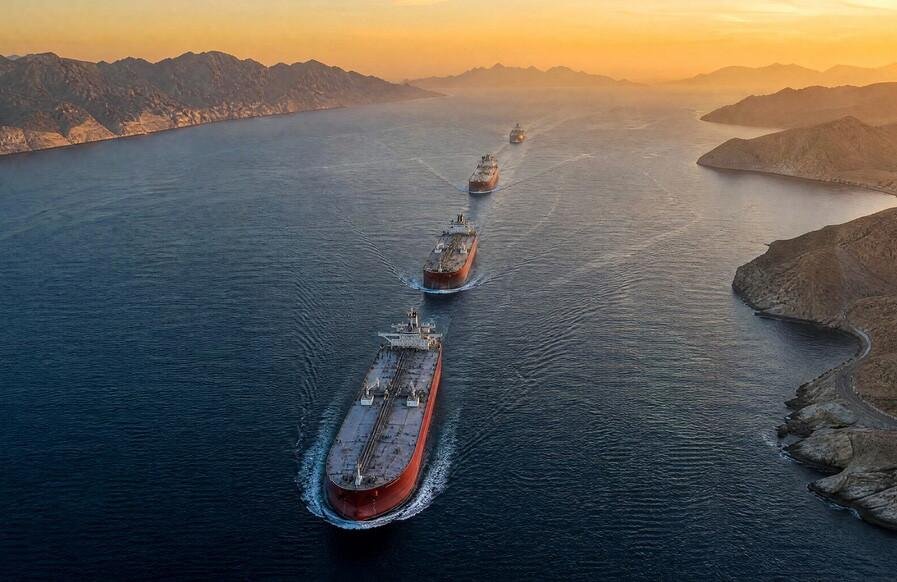
The most important physical supply concern remains the Strait of Hormuz.
Before the conflict began, approximately one-fifth of global oil and liquefied natural gas flows passed through this strategic maritime corridor.
Its importance makes any disruption particularly significant for international energy markets.
Recent attacks on commercial vessels have demonstrated that security risks remain substantial despite improving diplomatic signals.
Iran’s Revolutionary Guards Navy said that two oil supertankers were disabled after hitting naval mines while using an unauthorised route through the strait.
Other vessels have also been damaged, while shipping companies continue to assess the security risks associated with operating in the region.
According to information cited by Reuters, 37 vessels were attacked in October, the highest monthly total since the beginning of the conflict.
Even if Washington and Tehran reach a political agreement, the restoration of normal shipping activity may take considerably longer.
Mine clearance, insurance costs, security guarantees and the willingness of shipowners to resume normal operations will all influence the speed of recovery.
This creates an important distinction between a diplomatic settlement and an immediate return to normal oil supply.
Rising Production Limits the Upside
Geopolitical uncertainty is only one side of the current oil-market equation.
Higher production from major exporters is providing an important counterweight to supply concerns.
Saudi Arabia informed OPEC that its oil production increased by approximately 26% in October, reaching 10.56 million barrels per day.
This was one of the highest production levels recorded by the kingdom in recent years.
Saudi Arabia has also relied on its East-West pipeline to redirect some crude exports away from the Strait of Hormuz, reducing its dependence on the disrupted shipping corridor.
Meanwhile, OPEC+ production increased in October, moving closer to levels recorded before the Iran conflict.
These developments suggest that regional supply has become more resilient, although transportation risks remain elevated.
For the oil market, additional production can limit price increases even when geopolitical tensions remain unresolved.
US Inventories Add Another Variable
Developments in the United States are creating additional pressure on crude prices.
Industry data indicated that US crude inventories increased by approximately 9 million barrels during the week ended November 6.
The increase was significantly larger than many market participants had anticipated.
Rising inventories can indicate that supply is exceeding immediate demand or that refinery activity and crude purchases are changing.
Investors were awaiting the delayed official figures from the US Energy Information Administration, scheduled for Thursday following the Veterans Day holiday.
The official report will be important in determining whether the increase reported by industry sources is confirmed.
A substantial inventory build could reinforce concerns about near-term supply availability, particularly if accompanied by weaker refinery demand.
Oil Prices Remain Highly Sensitive
At approximately 12:22 GMT on November 12, Brent futures were trading at $92.22 per barrel, down 0.58%, while US West Texas Intermediate stood at $85.86, lower by 0.77%.
Both benchmarks had experienced larger intraday declines earlier in the Asian session.
The previous trading day had produced a recovery, with Brent settling at $92.76 and WTI at $86.53.
Despite these daily fluctuations, both benchmarks remained on course for weekly losses.
The wider market picture therefore remains complicated. Geopolitical developments are supporting prices, while higher production, recovering regional exports and increased US inventories are limiting the potential for a sustained rally.
What Investors Can Watch
Several developments will determine the next direction of the oil market.
- US–Iran negotiations: Any confirmed diplomatic breakthrough could reduce the geopolitical risk premium.
- Strait of Hormuz: Further attacks or restrictions on shipping could quickly reverse recent price declines.
- Saudi production: Continued high output would provide additional supply and potentially limit price increases.
- US inventories: Official EIA figures will help establish whether the reported inventory build reflects a broader supply imbalance.
- OPEC+ policy: Future production decisions will influence the balance between additional supply and geopolitical disruptions.
- Russia–Ukraine developments: Changes in Russian refining capacity and energy infrastructure security could introduce further volatility.
The relationship between these factors is becoming increasingly important as traders attempt to distinguish temporary political optimism from genuine improvements in global energy supply.
A Market Without Clear Direction
The current oil market is being driven by two opposing forces.
On one side, geopolitical tensions and the vulnerability of shipping routes through the Middle East continue to support crude prices. On the other, higher production, recovering exports and growing inventories are limiting the strength of the market.
The latest developments demonstrate how quickly political statements can influence energy pricing, even when the physical supply picture has not changed substantially.
For investors and energy companies, the coming weeks will be particularly important. The direction of diplomatic negotiations, the security of the Strait of Hormuz and the ability of major producers to maintain output will determine whether crude prices regain upward momentum or continue to face pressure from improving supply conditions.
Until there is greater clarity, volatility is likely to remain a defining characteristic of the global oil market.
Sources
- Bloomberg – Oil jumps after Trump says US doesn’t need deal with Iran
- Investing.com – Oil prices dip on report of more US-Iran diplomacy plans
- Reuters – Oil prices lower as rising crude output offsets geopolitical risks
- Reuters – Oil rises as Hormuz shipping attacks offset Iran truce hopes
- The Wall Street Journal – Oil prices fall as investors weigh US-Iran diplomacy
- Denarni Fokus – Editorial Disclosure & Transparency