Summary
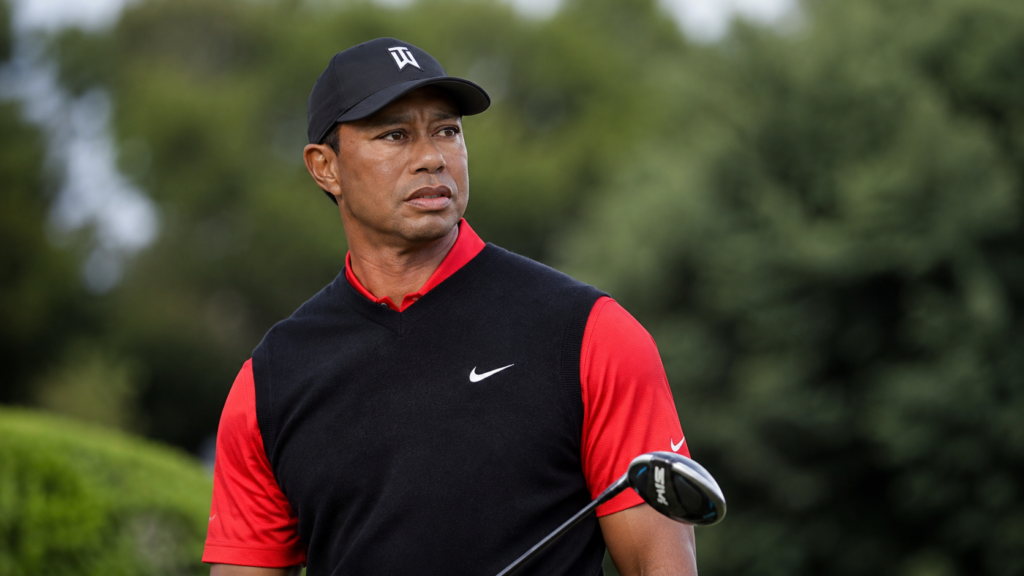
Tiger Woods is increasing his training as speculation grows around a possible return to competitive golf in December 2026. Although he has confirmed attendance at the Hero World Challenge, he has not committed to playing. His commercial influence, however, continues well beyond the golf course.
◉ He has confirmed he will attend the Hero World Challenge from 3–6 December in the Bahamas, but has not confirmed that he will compete.
◉ His business interests extend across TGR Design, the TGL indoor golf league, sports entertainment, hospitality and brand partnerships.
◉ The Woods business model illustrates how an elite athlete’s commercial value can remain significant even during an extended absence from competition.
A Possible Return to Competitive Golf
Tiger Woods has offered a new update on his physical preparation, raising interest in a potential return to professional golf.
Speaking to SiriusXM PGA Tour Radio on 10 November, the 50-year-old said he was feeling better and had been training regularly.
His statement comes after a difficult period marked by a ruptured Achilles tendon in March 2025 and a seventh back procedure in October 2025.
Woods subsequently remained away from competitive golf following a vehicle accident in Florida in March 2026 and a period of treatment.
His last official PGA Tour appearance was at the 2024 Open Championship at Royal Troon.
The latest update is encouraging for the sport’s commercial ecosystem, but an important distinction remains: Woods has confirmed that he will attend the Hero World Challenge, not that he will play in it.
The tournament takes place from 3–6 December at Albany in the Bahamas. Woods serves as its host, and three exemption places remain available in the initial 20-player field.
The Value of Tiger Woods Beyond Golf
Woods represents an unusual commercial proposition in professional sport.
His influence is not dependent exclusively on tournament victories, ranking positions or appearances on the leaderboard. Over several decades, he has developed a business ecosystem connecting golf, entertainment, course design, sponsorship and media.
That structure provides several potential revenue channels even when he is not actively competing.
TGR Design: Building a Business Beyond Competition
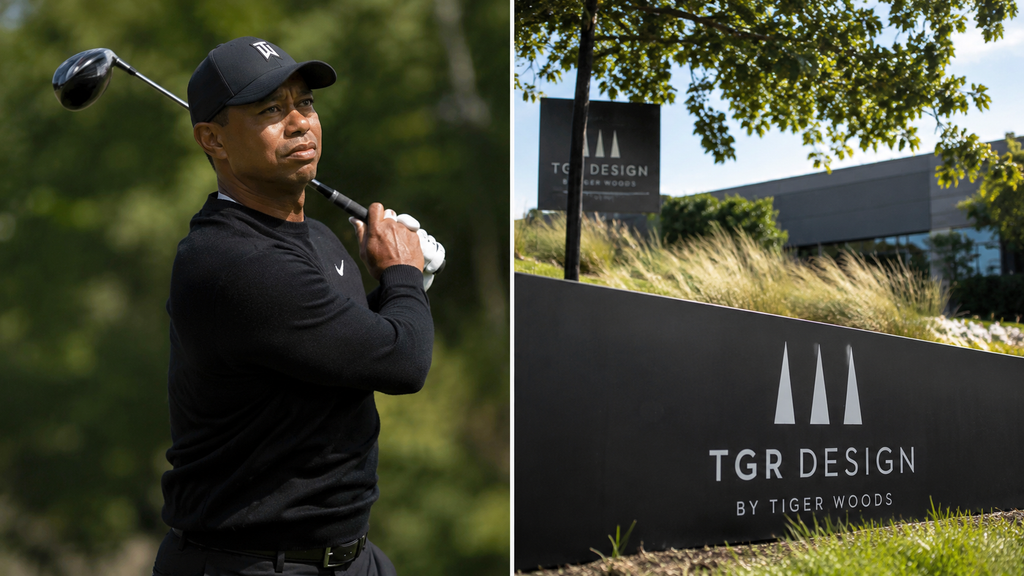
One of the most important parts of Woods’ commercial strategy is TGR Design.
Established in 2006, the golf course design business translates Woods’ sporting reputation into long-term projects involving private clubs, resorts and golf destinations.
Its portfolio includes Bluejack National in Texas, El Cardonal at Diamante in Mexico, Payne’s Valley and The Hay at Pebble Beach.
The business is also expanding into new markets.
In November 2026, TGR Design announced a partnership with Armchair Collective to transform the former Tam O’Shanter Country Club in Brookville, Long Island, into an 18-hole private golf destination.
The proposed development includes:
- An 18-hole private golf course.
- Practice and golf performance facilities.
- A clubhouse and private member cottages.
- Premium membership and lifestyle experiences.
This type of project illustrates how a famous athlete’s identity can become part of a much larger property and hospitality business.
The commercial opportunity extends beyond the initial design contract. Golf developments can generate recurring economic activity through memberships, hospitality, accommodation, property and premium services, although the financial returns depend on the individual project’s ownership and commercial structure.
TGL: The Future of Golf Entertainment
Another important part of Woods’ business activities is TGL.
Co-founded by Tiger Woods and Rory McIlroy, TGL combines professional golf with technology, team competition and television entertainment.
Instead of traditional outdoor courses, matches take place inside a purpose-built arena featuring a large simulator screen, real golf shots and a technologically controlled short-game area.
The format creates a different commercial proposition for professional golf.
It offers:
- A controlled indoor broadcasting environment.
- Team-based sporting entertainment.
- Sponsorship and advertising opportunities.
- Digital content and audience engagement.
- Opportunities to reach viewers outside traditional golf audiences.
The third season is scheduled to begin on 27 December 2026, with Woods’ Jupiter Links Golf Club facing Los Angeles Golf Club on opening night.
Woods’ involvement is particularly interesting because TGL creates an additional platform for his sporting identity even when his traditional tournament schedule is restricted.
His potential participation in the new season remains dependent on his decision and physical circumstances.
The Commercial Power of an Athlete-Owned Brand
Woods’ business model illustrates several ways elite athletes can create commercial value beyond their active playing careers.
1. Sponsorship and brand partnerships
An athlete with international recognition can provide brands with access to audiences across multiple markets. Sponsorship value can continue through appearances, campaigns, licensing and long-term ambassador agreements.
2. Golf course development
Course architecture and private golf developments create opportunities to commercialise an athlete’s name, design expertise and reputation through projects that can operate for decades.
3. Sports entertainment
TGL provides a platform connecting professional athletes, technology, broadcasting and entertainment. Its business model is different from the traditional PGA Tour structure.
4. Media and intellectual property
The Woods brand also has value through documentary content, media appearances, personal storytelling and the broader TGR business identity.
5. Hospitality and premium experiences
Private golf clubs, exclusive memberships and luxury golf destinations connect sporting prestige with hospitality and lifestyle spending.
These channels should not be treated as a single source of income. They involve different ownership structures, commercial partners, operating costs and financial risks.
What a Comeback Could Mean for the Golf Industry
A return to competitive golf would potentially create another commercial opportunity for Woods and the wider industry.
His participation in a major tournament could attract additional broadcasting attention, increase sponsor visibility and generate renewed interest in merchandise and golf-related products.
However, the commercial importance of Woods is not dependent on a successful comeback.
His design projects, TGL involvement and established business interests demonstrate how an athlete can develop an economic ecosystem that operates independently of regular sporting appearances.
The distinction is important: tournament performance creates immediate sporting and media value, while ownership, partnerships and long-term projects can create different forms of commercial exposure.
For the golf industry, Tiger Woods remains an example of how sporting recognition can evolve into a broader business platform.
His next competitive appearance may attract the headlines, but the businesses built around his name represent a much longer commercial story.
Sources
- Reuters – Tiger Woods Training and Hero World Challenge Update (11 November 2026)
- talkSPORT – Tiger Woods Expands Golf Design Business (10 November 2026)
- MarketWatch – Tiger Woods’ New Long Island Golf Development (11 November 2026)
- TGR Design – Official Golf Course Portfolio
- Sky Sports – TGL Season Three Schedule
- GOLF.com – Tiger Woods’ Long Island Golf Project
- Denarni Fokus – Editorial Disclosure & Transparency