
Oil prices extended their decline on Tuesday, November 10, as improving expectations for diplomatic engagement between the United States and Iran reduced concerns about further disruption to Middle Eastern energy supplies. Brent crude moved below $91 per barrel in early trading, following a sharp decline during Monday’s session. However, continued shipping attacks around the Strait of Hormuz highlight the gap between improving diplomatic expectations and the geopolitical risks still facing global energy markets.
◉ Oil traded at around $90.99 per barrel on Tuesday, remaining under pressure after a sharp 5.85% drop in the previous session.
◉ Expectations that Washington could avoid further military escalation against Iran have reduced part of the geopolitical risk premium previously embedded in oil prices.
◉ Despite the correction, shipping disruptions around the Strait of Hormuz and uncertainty over a potential agreement continue to expose the global oil market to sudden supply shocks.
Brent Extends Its Decline
Crude oil prices continued moving lower as investors reassessed the probability of a wider military confrontation in the Middle East.
According to Reuters, Brent crude futures declined 1.7% to approximately $90.99 per barrel during Tuesday’s trading. US West Texas Intermediate (WTI) fell 1.8% to approximately $85.20 per barrel.
The latest decline followed a particularly weak Monday session. Brent settled at $92.57 per barrel, down $5.75 or 5.85%, while WTI finished at $86.85, representing a decline of 4.38%.
The movement marks a significant reversal from October’s elevated price levels. Brent is now approximately 22% below its October 30 high of $118 per barrel.
The speed of the correction illustrates how quickly oil markets can reprice geopolitical risk when expectations surrounding military escalation and energy supply change.
Importantly, the latest decline does not necessarily indicate that the underlying supply risks have disappeared. Instead, the market is increasingly reflecting expectations that a diplomatic solution could reduce the likelihood of further disruptions
Washington and Tehran: Diplomacy Changes Market Expectations
The main catalyst behind the recent oil correction has been a change in the diplomatic outlook between Washington and Tehran.
US President Donald Trump indicated that further military strikes against Iran would be put on hold for the time being, following appeals from regional leaders, including Qatar’s prime minister.
The comments reduced immediate concerns about another escalation that could threaten energy infrastructure and international shipping routes.
However, the situation remains far from resolved.
The United States intends to maintain its naval blockade in the Strait of Hormuz, while Iranian officials have questioned the prospects of meaningful negotiations. Both sides continue to face significant differences over the conditions required for a broader agreement.
For financial markets, the distinction between diplomatic signals and an actual agreement is critical.
Oil traders are already responding to the possibility of reduced military risk, even though the political and logistical conditions required for a sustained normalisation of energy flows have not yet been established.
This creates a market environment in which prices can react sharply to political statements, diplomatic meetings and developments involving maritime security.
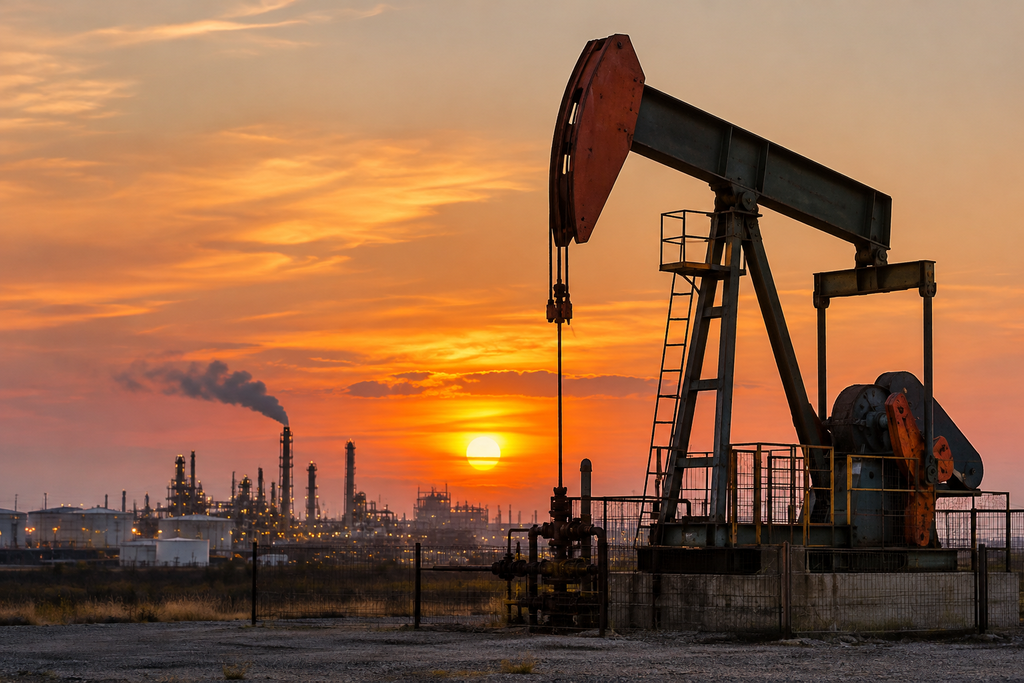
Strait of Hormuz Remains a Critical Risk
Despite lower prices, the Strait of Hormuz remains one of the most important geopolitical variables for the global energy market.
The strategic waterway connects the Persian Gulf with international shipping routes and is essential for exports from several major energy-producing countries.
Any prolonged disruption could affect crude oil deliveries, shipping costs, insurance premiums and the availability of energy supplies across international markets.
Reuters reported that attacks on shipping continued around the region despite the more conciliatory diplomatic tone from Washington.
This is an important reason why the recent decline in oil prices should not automatically be interpreted as a complete removal of geopolitical risk.
A sustainable reduction in the risk premium would require more than political statements. It would depend on a credible diplomatic agreement, improved maritime security and the normalisation of commercial shipping activity.
Until these conditions are established, the market remains vulnerable to renewed volatility.
Oil Supply and OPEC Production
While geopolitical developments dominate short-term price movements, global supply conditions are also influencing the outlook.
Reuters reported that OPEC crude production increased in October, with higher output from Saudi Arabia, Kuwait and Iraq despite continuing export restrictions.
This development adds another dimension to the current market correction.
If production continues to increase while geopolitical tensions ease, the combination could create additional downward pressure on crude prices. However, higher reported production does not automatically translate into greater available supply if transportation routes and export infrastructure remain disrupted.
The balance between production, exports and actual consumption will therefore remain central to oil-market pricing.
For major energy companies, the changing environment creates different implications across business segments. Lower crude prices can reduce upstream revenue, while refining margins, trading operations and integrated business models may provide varying degrees of protection.
The recent financial performance of companies such as ExxonMobil also highlights the importance of production efficiency, refining profitability and operational diversification in an increasingly volatile energy market
What Lower Oil Prices Mean for the Global Economy
The decline in crude prices has implications that extend well beyond the energy sector.
For importing economies, particularly in Europe and parts of Asia, cheaper oil can reduce transportation expenses, industrial production costs and pressure on household energy budgets.
Lower energy costs may also contribute to moderating headline inflation, potentially influencing expectations surrounding central bank decisions.
For financial markets, this creates several important transmission channels:
- Inflation: Lower energy prices could reduce headline inflation and ease pressure on central banks.
- Corporate earnings: Transport, manufacturing and energy-intensive businesses could benefit from lower input costs.
- Energy producers: Lower crude prices could put pressure on upstream revenues and profitability.
- Currencies: Changes in energy trade balances could influence the currencies of major oil-importing and exporting economies.
- Government finances: Oil-exporting countries could face additional budgetary pressure if lower prices persist.
The broader economic impact will depend on how long prices remain below recent levels and whether the decline reflects genuine improvements in supply security.
What to Watch Next
The coming sessions will be important for determining whether the current correction develops into a more sustained downward trend.
The main developments to monitor include:
- Brent crude: Whether prices remain below $91 per barrel or recover as geopolitical uncertainty returns.
- WTI crude: Whether US oil prices follow the same downward trajectory.
- US–Iran negotiations: Whether diplomatic engagement produces measurable progress towards de-escalation.
- Strait of Hormuz: Whether commercial shipping activity normalises and maritime security improves.
- OPEC production: Whether higher output continues despite export and transportation constraints.
- Energy company earnings: Whether lower crude prices begin affecting production profitability and corporate forecasts.
Oil Market Outlook
The latest decline in oil prices reflects a changing assessment of geopolitical risk rather than a complete resolution of the underlying energy supply concerns.
Diplomatic signals from Washington have reduced fears of immediate military escalation, encouraging investors to remove part of the risk premium that had supported crude prices during the previous weeks.
Nevertheless, the continued uncertainty surrounding Iran, maritime security and the Strait of Hormuz means that the market remains exposed to sudden changes in sentiment.
The next stage will depend on whether diplomatic expectations translate into a measurable improvement in energy transportation and regional stability.
For global financial markets, the direction of oil prices will remain an important variable influencing inflation expectations, corporate profitability and the broader economic outlook.
Sources
- Reuters – Oil Falls as Trump Downplays Prospect of Escalation With Iran
- Financial Times – Oil Prices Hit 10-Week Low After Trump Signals Restraint
- Associated Press – US Stocks Rally as Oil Prices Fall
- Reuters – Oil Extends Losses as US-Iran Tensions Ease
- ExxonMobil – Third-Quarter 2026 Results
- Denarni Fokus – Editorial Disclosure & Transparency