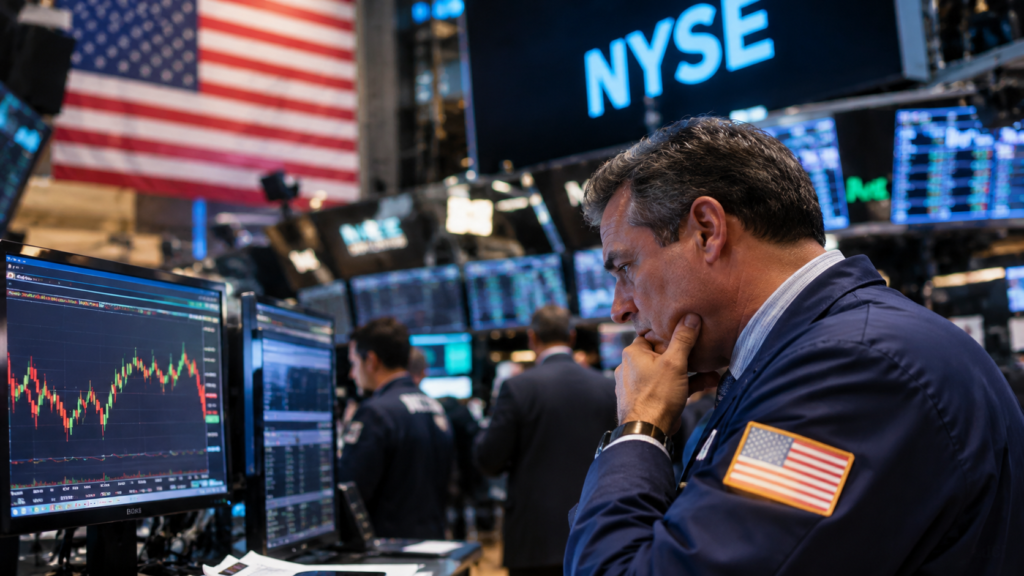
The 2026 US midterm elections have delivered a major political setback for Donald Trump, with Democrats capturing control of both chambers of Congress. Voter frustration over inflation, living costs and the administration’s policies is reshaping Washington’s political balance, while financial markets reassess the implications for technology, regulation, fiscal policy and the US dollar.
◉ Democrats’ sweeping victories mark a significant shift in US political power and increase pressure on Trump’s legislative agenda.
◉ Inflation, affordability and dissatisfaction with the administration emerged as central forces behind the election result.
◉ Markets face renewed uncertainty over AI regulation, government spending, taxation and the future direction of US economic policy.
A Political Reversal in Washington
The November 3 midterm elections produced a result with implications extending well beyond Capitol Hill. Democrats captured both the House of Representatives and the Senate, breaking Republican control of Congress and delivering a significant political rebuke to President Donald Trump.
The outcome was particularly notable in traditionally Republican territory. Democratic candidates achieved major victories in states including Texas, South Carolina and Kansas, demonstrating that voter dissatisfaction extended beyond traditionally competitive districts.
Economic concerns played a central role. Inflation, household expenses, energy prices and the cost of everyday living dominated the political debate. Although the US economy continued to demonstrate areas of resilience, many households remained dissatisfied with their financial circumstances.
The result creates a new political environment for Trump’s remaining two years in office. Democratic control of Congress increases the potential for investigations, legislative resistance and closer scrutiny of administration policies.
Inflation Becomes the Political Issue
The election highlighted the difference between macroeconomic performance and household economic sentiment.
While employment and economic growth remained relatively resilient, persistent price pressures continued to influence consumer confidence.
Tariffs, higher energy costs and the economic consequences of the conflict with Iran contributed to concerns about affordability. Housing costs and borrowing expenses also remained significant challenges for American households.
This disconnect between economic indicators and everyday financial experience became an important factor in the election.
The result suggests that economic growth alone does not necessarily translate into political support when households continue to experience pressure on purchasing power.
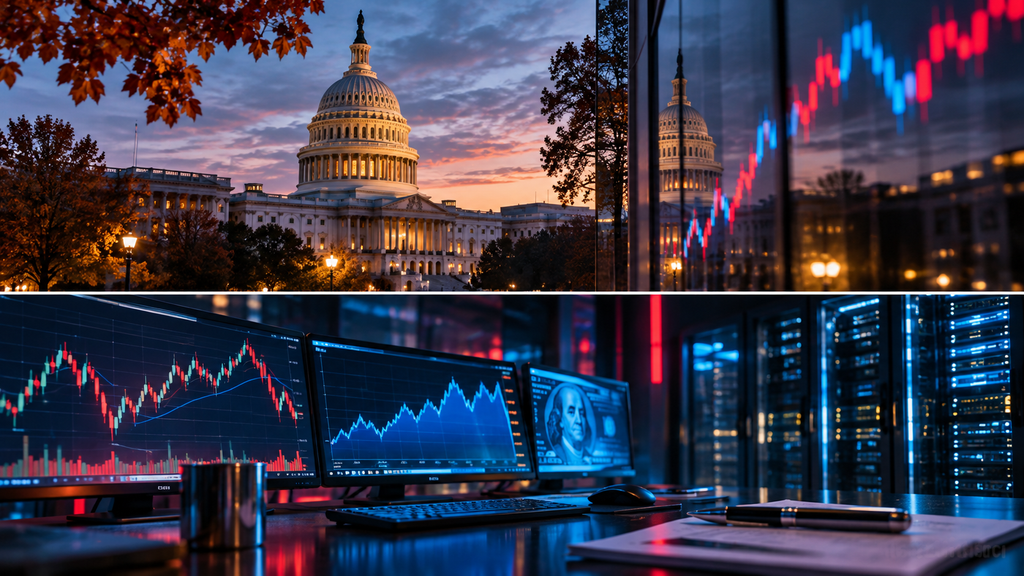
Wall Street Reassesses the Outcome
Financial markets entered election week already dealing with uncertainty surrounding artificial intelligence valuations, technology investment and interest rates.
On November 3, the Dow Jones Industrial Average declined approximately 0.4%, while the S&P 500 gained 0.35% and the Nasdaq Composite advanced 0.83%. Technology shares showed considerable rotation as semiconductor companies recovered while some established technology names weakened.
Following the election results, US equity futures initially declined sharply. Nasdaq-100 futures fell as much as 2.4%, while S&P 500 futures dropped approximately 1.4%, before recovering a substantial portion of their losses.
Investors began assessing the possibility of greater regulatory oversight, particularly for AI companies and data-centre developers.
The political shift could also influence expectations for taxation, renewable energy incentives, defence spending and government borrowing.
Treasury markets attracted attention as investors considered the possibility of slower fiscal expansion and legislative gridlock. The US dollar also weakened amid the initial market reaction.
The AI Trade Faces Political Uncertainty
Artificial intelligence has become one of the most important drivers of equity-market performance and corporate investment.
However, the election result introduces another layer of uncertainty for companies building data centres and expanding computing infrastructure.
Democratic gains in states with significant data-centre development could strengthen political pressure around electricity consumption, infrastructure expansion, environmental considerations and local regulation.
For technology investors, the issue is not simply whether AI demand continues growing. It is whether the regulatory and political environment will allow infrastructure investment to expand at the pace currently anticipated.
The distinction matters because major technology companies have committed substantial capital to AI development, while investors increasingly demand evidence that spending will generate sustainable returns.
A New Market Environment
The election does not automatically mean a reversal of US economic policy. Presidential veto powers, existing executive authority and disagreements within Congress will continue to shape the administration’s room for manoeuvre.
Nevertheless, divided political control changes the legislative environment and introduces additional uncertainty into economic policymaking.
For financial markets, the coming months will involve balancing three interconnected forces: inflation, political constraints and the sustainability of the AI investment cycle.
The midterms have changed the political landscape. Whether that change produces a lasting shift in market valuations, corporate investment and economic expectations will depend on how Washington responds.
Sources
- Bloomberg – US Midterm Elections: Live Updates
- Bloomberg – Stock Market Today: Dow & S&P
- Bloomberg – Inflation Backlash Powers Democratic Wins
- Reuters – Democrats Seize Congress Investing.com
- Reuters – Global Markets React live
- Associated Press – Election Results AP News
- Denarni Fokus – Editorial Disclosure & Transparency