A potential two-decade period of economic disruption could reshape employment, productivity and social inequality as artificial intelligence moves from digital tools into physical work. Bill Gates argues that the transition may prove difficult even if the technology ultimately creates widespread prosperity.
◉ Two decades of disruption: The transition to AI-driven economies could take years, creating uncertainty for workers, businesses and policymakers before productivity gains are fully realized.
◉ Automation beyond offices: AI systems could transform accounting and customer support, while advances in robotics may gradually extend automation into physical occupations.
◉ Prosperity will depend on distribution: Higher productivity does not automatically translate into broadly shared wealth. Labor-market adaptation, public policy and the changing role of work will shape the social outcome.
The Economic Transition
Artificial intelligence is increasingly viewed as more than a technological upgrade. Its potential to perform cognitive tasks at lower cost could change how businesses allocate capital, organize their workforces and generate profits.
In his October interview on the Decoder podcast, Bill Gates described the next 20 years as a potentially turbulent transition towards an economy capable of producing far greater abundance. His argument is not that economic collapse is inevitable, but that the benefits of AI could arrive alongside substantial disruption to employment and social structures. The Verge
The distinction matters. Previous waves of automation primarily replaced or improved specific tasks, while creating demand for other forms of human labor. Advanced AI could affect a much broader range of cognitive activities, including customer service, accounting, software development and parts of professional services. If these systems become increasingly reliable, companies may find it economically attractive to automate entire workflows rather than individual tasks.
The consequences could extend beyond direct job losses. Businesses might reduce recruitment, particularly for entry-level positions, as AI systems take on work traditionally assigned to junior employees. Workers entering the labor market could therefore face a different challenge from experienced professionals: fewer opportunities to gain the initial experience needed to advance.
Productivity Versus Employment
The central economic question is whether productivity gains will create enough new demand and employment to offset the work displaced by automation.
Higher productivity can reduce operating costs, improve competitiveness and make products and services more affordable. It can also enable businesses to expand into new markets. However, the distribution of these gains is not predetermined.
If a company replaces labor with AI, shareholders may initially capture much of the resulting savings. Workers could benefit indirectly through lower prices, new employment opportunities or higher wages in complementary occupations. The balance will depend on competition, investment, consumer demand and public policy. Business Insider
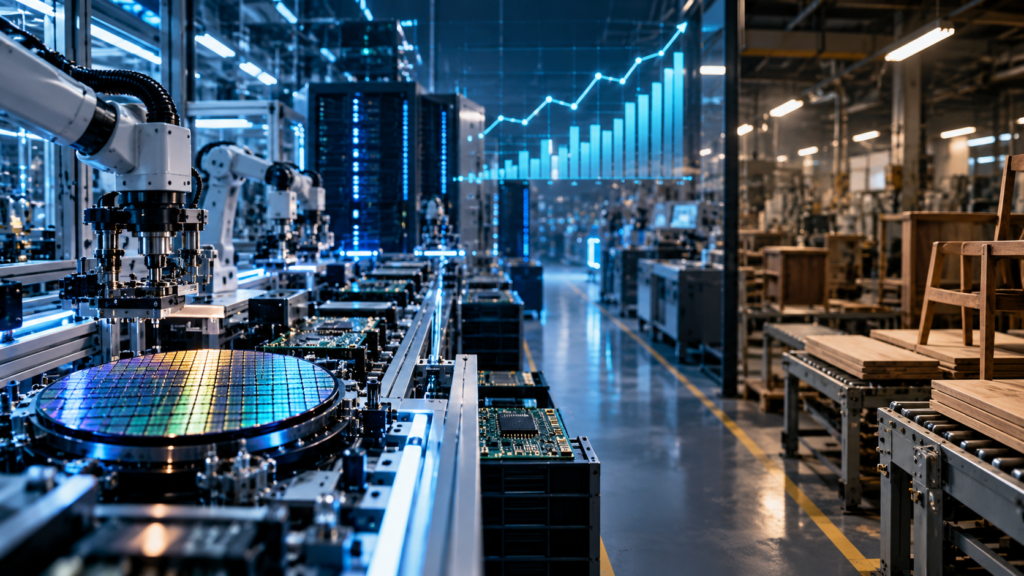
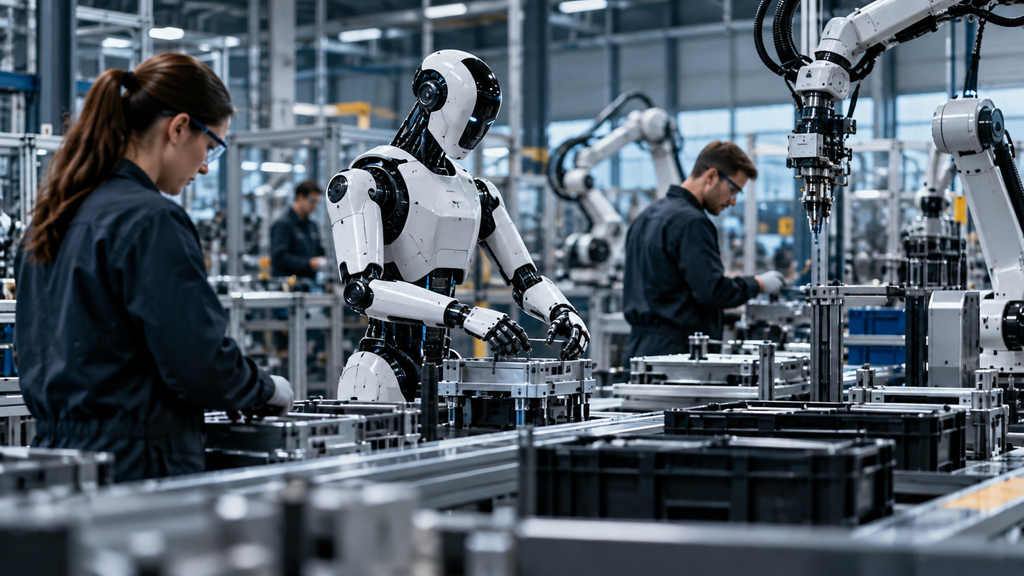
The transition could become more complicated as AI connects with robotics. Software automation can already operate in digital environments; physical automation must also navigate real-world conditions, equipment, safety requirements and unpredictable surroundings. Progress in robotics could eventually extend these pressures into manufacturing, logistics, construction and other physical industries, although the timing and scale remain uncertain.
The Inequality Challenge
AI could widen economic differences if the returns to automation concentrate among companies and individuals who own the technology, infrastructure and intellectual property.
At the same time, new opportunities may emerge in fields that benefit from cheaper computing, scientific research and more accessible expertise. Healthcare, education and other knowledge-intensive services could experience significant productivity improvements.
Gates has also raised questions about the social role of employment. Work provides income, but it can also offer identity, routine, social interaction and a sense of contribution. If advanced AI eventually reduces the amount of human labor required, societies may face difficult choices concerning working hours, income distribution and activities that should remain human-led. gatesnotes.com
What Comes Next
The 20-year timeframe should be understood as Gates’s assessment of a possible transition, not an established economic forecast. The actual outcome will depend on technological progress, adoption rates, the creation of new industries and the capacity of institutions to respond.
The defining issue is therefore not simply how many jobs AI can automate. It is whether economic systems can translate technological progress into broadly shared prosperity without leaving large groups of workers behind.
AI may ultimately make many goods and services cheaper and more accessible. The challenge is navigating the transition between today’s employment-based economy and a future in which machines could perform a substantially larger share of productive work.