Short description: Five rare F.P. Journe watches associated with Michael Schumacher are heading to auction in Geneva. Their matching serial numbers, limited production and connection to Formula One create a compelling test of provenance and collector demand.
◉ 5 F.P. Journe Ruthenium watches associated with Michael Schumacher will be offered individually at Christie’s Geneva auction.
◉ The five watches carry matching serial numbers, 92/99, with individual estimates ranging from CHF 300,000 to CHF 1.2 million.
◉ The auction will test how celebrity provenance, technical innovation and rarity influence demand for independent luxury watchmaking.
A Rare Collection Emerges
Geneva’s November watch auctions are bringing an unusual intersection of motorsport history and independent watchmaking into focus. Among the most distinctive offerings is a collection of five F.P. Journe Ruthenium timepieces associated with Michael Schumacher, the seven-time Formula One world champion.
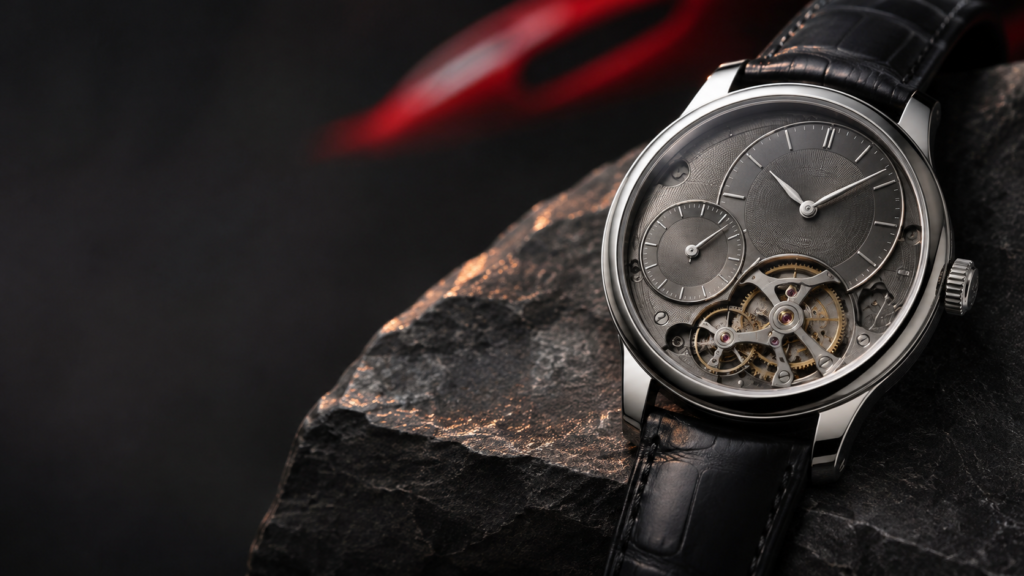
The collection comprises the Octa Jour et Nuit, Octa Chronographe, Octa Calendrier, Tourbillon Souverain and Chronomètre à Résonance. Each watch carries the number 92/99, connecting the five pieces through a shared production sequence.
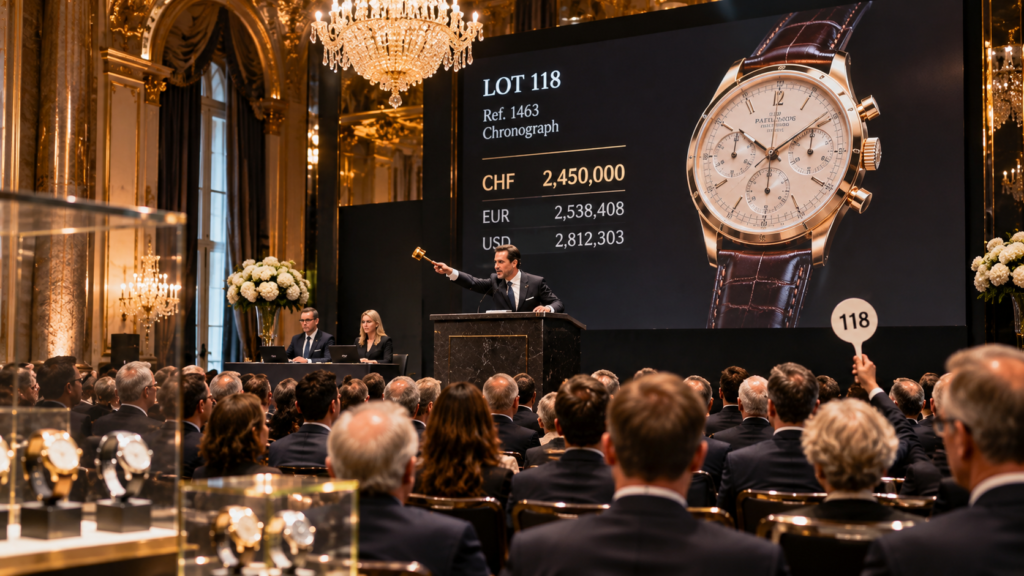
The watches will be offered individually at Christie’s Rare Watches auction on 9 November 2026. The decision to separate the collection into five lots creates an unusual market test: collectors can compete for individual models without needing to acquire the entire group.
The Value of Provenance
In the high-end watch market, value extends beyond materials, complications and brand recognition. Documented ownership, historical context, originality and scarcity can all influence how collectors evaluate a particular timepiece.
Schumacher’s connection to the collection introduces a motorsport dimension. The auction also takes place in a year marking 30 years since he joined Ferrari, linking the offering to a significant period in Formula One history.
However, celebrity association alone does not establish a watch’s market value. The strength of its documentation, physical condition, completeness and appeal to collectors remain important considerations.
Five Watches, Different Estimates
The three Octa models carry estimates of CHF 300,000–600,000 each. The Tourbillon Souverain and Chronomètre à Résonance are each estimated at CHF 650,000–1.2 million.
Together, the five estimates imply an aggregate range of CHF 2.2 million to CHF 4.2 million, before any applicable buyer’s premium and taxes.
The difference between the estimates reflects the distinct characteristics of the models. The collection combines different complications and mechanical approaches, making it more than a group of visually similar limited-edition watches.
The Chronomètre à Résonance is particularly notable for its use of resonance, a horological principle involving the interaction of two oscillating regulating systems. The Tourbillon Souverain incorporates a tourbillon mechanism, while the Octa family demonstrates another side of the independent watchmaker’s technical development.
These distinctions may influence bidding, although estimates alone cannot predict the final outcome.
A Test for Independent Watchmaking
The auction offers a useful opportunity to examine the position of independent watchmakers within the broader luxury market. Unlike large manufacturers producing substantial volumes across extensive collections, independent makers often build their reputations around specialised technical concepts, distinctive design and relatively limited production.
The Schumacher collection combines these characteristics with a recognisable personal history. Its results may therefore attract attention beyond traditional watch collectors, particularly among motorsport enthusiasts and buyers interested in historically significant ownership.
The key question is whether demand will concentrate on individual models or whether the shared serial numbers encourage buyers to value the five watches as a connected collection.

What the Results Could Reveal
The November sale provides a rare opportunity to observe how collectors price the combination of mechanical innovation, scarcity and celebrity provenance.
The individual results will show how bidding differs between the five models. Comparing realised prices with their respective estimates will provide a more meaningful indication of demand than headline estimates alone.
There are limitations to any comparison: condition, documentation, bidding competition and buyer preferences can produce substantial differences between otherwise related watches.
Until the auction concludes, the collection should be viewed as a market test rather than evidence of a confirmed price trend. The final results will help clarify whether the watches’ shared history translates into a measurable premium in the collector market.