Short description: European natural gas prices retreat as the US midterm election results raise expectations of a diplomatic resolution to the Iran conflict. However, low European storage levels, disrupted LNG supplies and winter demand continue to expose the market to renewed volatility.
◉ European benchmark gas prices declined as traders reassessed the probability of further US military escalation against Iran following the US midterm elections.
◉ Dutch TTF futures fell below €90 per megawatt-hour, retreating from their recent four-year highs above €100.
◉ Europe remains vulnerable to supply disruptions, with gas storage below seasonal averages and Qatari LNG deliveries still affected by force majeure.
◉ The possibility of renewed diplomatic negotiations is reducing the geopolitical risk premium, but the underlying supply deficit has not disappeared.
European natural gas markets are experiencing a significant correction as political developments in Washington reshape expectations surrounding the conflict with Iran.
The results of the November 3 US midterm elections have introduced another variable into the geopolitical outlook. Democrats’ gains in both chambers of Congress are expected to increase political scrutiny of the Trump administration’s foreign policy, potentially making further military escalation more complicated.
For energy traders, the immediate question is whether Washington will pursue a diplomatic solution with Tehran or maintain the possibility of renewed military action.
The changing political environment has contributed to a reduction in the geopolitical risk premium embedded in European gas prices.
TTF Prices Retreat
The Dutch Title Transfer Facility (TTF), Europe’s principal natural gas benchmark, has retreated sharply after reaching levels above €100 per megawatt-hour during the previous week.
On November 4, the front-month contract declined to approximately €88–€89 per MWh, depending on the trading session and reported observation.
The correction reflects changing expectations rather than a complete recovery in physical gas supply.
The market had previously priced in a substantial risk of further disruption to LNG transportation through the Strait of Hormuz, one of the world’s most strategically important energy shipping routes.
A reduction in perceived military risk has encouraged traders to unwind some of those positions.
However, the speed of the decline also demonstrates how sensitive European gas prices remain to geopolitical developments.
Iran And The Energy Risk Premium
The Strait of Hormuz remains central to the European energy outlook.
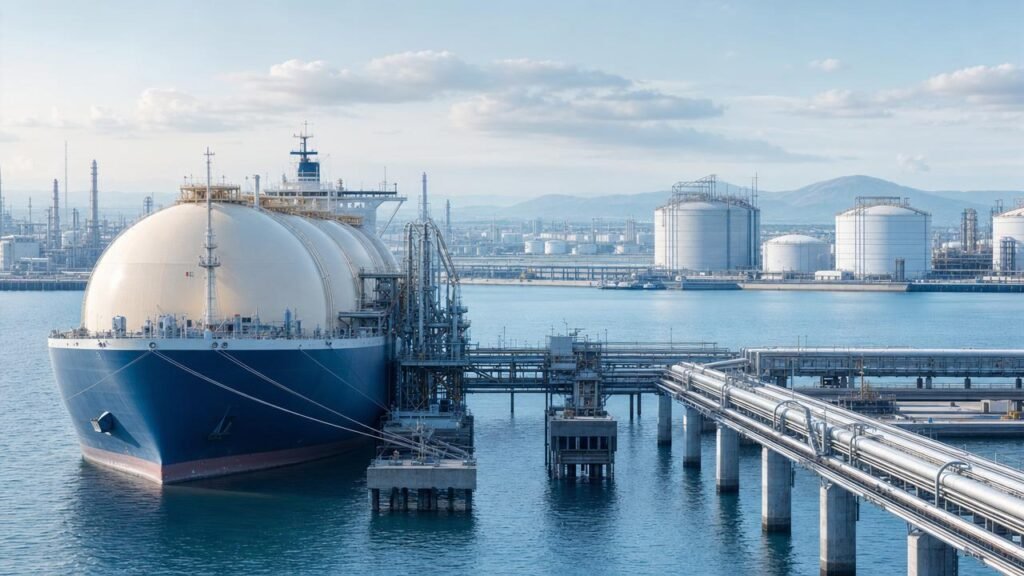
The waterway historically handles a substantial share of global LNG shipments, particularly exports originating from Qatar and the United Arab Emirates.
Disruptions to regional shipping have reduced available supplies and intensified competition between European and Asian buyers.
Even if diplomatic progress becomes more likely, restoring normal energy flows will require time. Shipping routes, production facilities, contractual obligations and insurance conditions all influence how quickly the market can return to normal conditions.
Consequently, lower futures prices do not necessarily indicate that the physical supply situation has improved to the same extent.
Europe’s Storage Problem
Despite the recent price decline, Europe’s underlying energy position remains challenging.
EU gas storage was approximately 74.3% full on November 3, compared with a five-year seasonal average of around 86%. The difference leaves the region with a smaller buffer as the heating season progresses.
The situation is particularly important because Europe must compete with Asian markets for available liquefied natural gas cargoes.
QatarEnergy has extended force majeure on certain LNG deliveries until at least the end of December 2026, prolonging uncertainty around one of the world’s most important LNG suppliers.
Although global LNG exports have been recovering, European imports remain below their pre-conflict levels.
A colder-than-expected winter or weaker renewable electricity generation could increase demand for gas-fired power and accelerate withdrawals from storage.
LNG Supply Recovery Remains Uneven
There are signs that the global supply picture is gradually improving.
Qatar exported approximately 2.3 million metric tonnes of LNG in October, an improvement compared with September, although volumes remained substantially below pre-conflict levels.
Meanwhile, increased exports from the United States and Russia have helped global LNG shipments recover towards their previous levels.
This provides some relief for international buyers, but additional supply does not automatically translate into lower European prices.
The geographical distribution of cargoes, long-term contracts, transportation costs and competition from Asian importers remain important determinants of the final market balance.
What Comes Next?
The European gas market is entering a period in which political developments and physical supply conditions may move in different directions.
Diplomatic progress between Washington and Tehran could further reduce the geopolitical premium in energy prices. Conversely, renewed military escalation or additional disruptions to regional infrastructure could quickly reverse the recent correction.
For Europe, the central challenge remains the combination of below-average storage, uncertain Qatari deliveries and increased winter demand.
The latest decline in TTF futures therefore represents a shift in market expectations rather than confirmation that Europe’s energy risks have disappeared.
The coming weeks will test whether geopolitical optimism can translate into more stable supply conditions or whether the European gas market will remain exposed to another period of sharp price movements.
Sources
- Bloomberg – European Gas Drops as US Vote Spurs Hopes for Iran Resolution
- The Wall Street Journal – European Gas Market Braces for Trump’s Next Move on Iran The Wall Street Journal+1
- TALi News – European Gas Prices Fall as Traders Weigh Trump’s Next Move on Iran TALi News
- Denarni Fokus – Editorial Disclosure & Transparency