Oil prices recovered on November 5 after a historic single-session decline, as renewed security concerns around Iran and Gulf shipping challenged expectations of a rapid return to stable energy supplies.
◉ Brent crude rebounded more than 2% after falling over 8% in the previous session.
◉ Fresh tanker incidents in the Gulf kept supply-disruption risks in focus despite hopes for diplomatic progress.
◉ The market is caught between a potentially persistent geopolitical premium and the prospect of greater supply easing if tensions decline.
A Sharp Reversal After the Sell-Off
Crude prices moved higher on Thursday after Wednesday’s steep decline, when both major benchmarks lost more than 8% and settled at their lowest levels since August 31.
Brent futures rose 2.43% to $96.92 a barrel, while US West Texas Intermediate gained 2.44% to $90.27, according to the latest Reuters market update. The rebound followed an earlier phase of trading in which prices had remained under pressure as investors assessed the possibility of a diplomatic path to ending the conflict involving Iran. Reuters
The scale of the previous session’s decline suggests that investors had rapidly removed part of the geopolitical premium built into crude prices. Thursday’s recovery indicates that the market is not yet convinced those risks have disappeared.
Iran Keeps the Supply Risk Alive
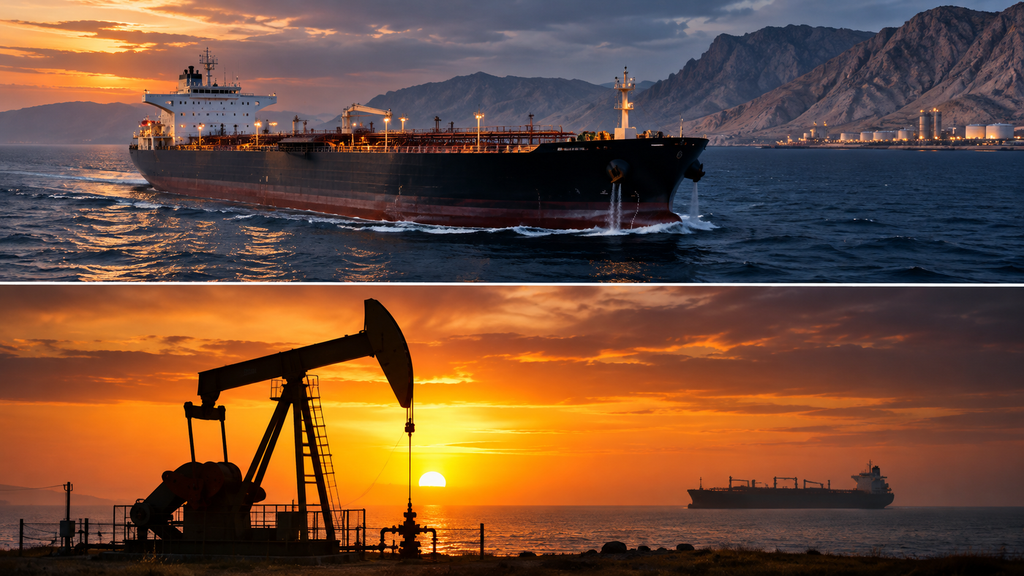
The main source of uncertainty remains the security of energy shipments through the Persian Gulf and the Strait of Hormuz, a critical route for global oil trade.
At least five vessels had reported incidents in the Gulf since Sunday, while Iran’s Revolutionary Guard said two tankers and a tugboat caught fire after attempting to use unauthorised routes through the Strait of Hormuz. Although crude shipments through the waterway have recovered close to pre-conflict levels, the cost of moving supplies remains elevated. Reuters+1
This creates a complicated picture for oil traders. Physical flows have improved, reducing the immediate risk of a severe shortage, but the security environment remains fragile. Any renewed escalation could quickly reverse the recent improvement in supply expectations.
Diplomacy Versus the Geopolitical Premium
The US midterm election results have added another variable. Democratic gains have increased expectations that political pressure could push Washington towards a negotiated settlement, potentially reducing the risk of further escalation.
However, the diplomatic outlook remains uncertain. Eurasia Group lowered its estimated probability of renewed US strikes on Iran to 60%, while reducing the likelihood of a deal to 10% and raising the probability of a prolonged standoff to 30%. It warned that a renewed escalation could push Brent towards $110–$125 a barrel. Reuters
Investing.com also reported that Brent had recovered to around $97 and WTI to nearly $90 after the previous day’s losses. The report highlighted expectations that the election outcome could increase pressure for de-escalation, while noting that the path towards a settlement remained unclear.
Supply Balances Still Matter
Geopolitical developments are only one side of the equation. The underlying supply-demand balance has also become more important as Gulf shipments recover.
JPMorgan estimated that the global oil market returned to a surplus of approximately 1.1 million barrels per day in September, widening to 1.4 million barrels per day in October. The recovery in supply has therefore helped shift the market away from the tighter conditions seen during earlier disruption. live+1
Yet inventories remain a potential vulnerability. Commercial oil stocks in major consuming countries are close to their lowest levels in 15 years, while US crude, gasoline and distillate inventories all declined in the latest weekly data. The combination of improving flows and limited stock buffers leaves the market sensitive to unexpected interruptions. live
Energy Inflation Remains in Focus
The direction of oil prices has implications beyond the commodities market. A sustained decline in crude could ease transport, production and fuel costs, helping reduce inflationary pressure across major economies.
That possibility has supported hopes for a less challenging energy backdrop. But a rebound driven by renewed geopolitical concerns complicates the outlook. If crude prices rise sharply again, the resulting cost pressure could make the inflation picture more difficult for central banks and energy-importing economies.
For now, the market is weighing two opposing scenarios: a diplomatic breakthrough that restores confidence in Gulf supply, or renewed disruption that brings a larger risk premium back into crude prices.
The Market’s Next Test
Thursday’s rebound does not, by itself, signal a return to a sustained upward trend. It does show that the previous session’s dramatic repricing has not removed the risks surrounding the region.
The next direction for oil will depend on whether shipping conditions continue to normalise, whether diplomatic efforts gain momentum and whether the recent recovery in supply can be maintained. Until those questions become clearer, volatility is likely to remain a defining feature of the crude market.