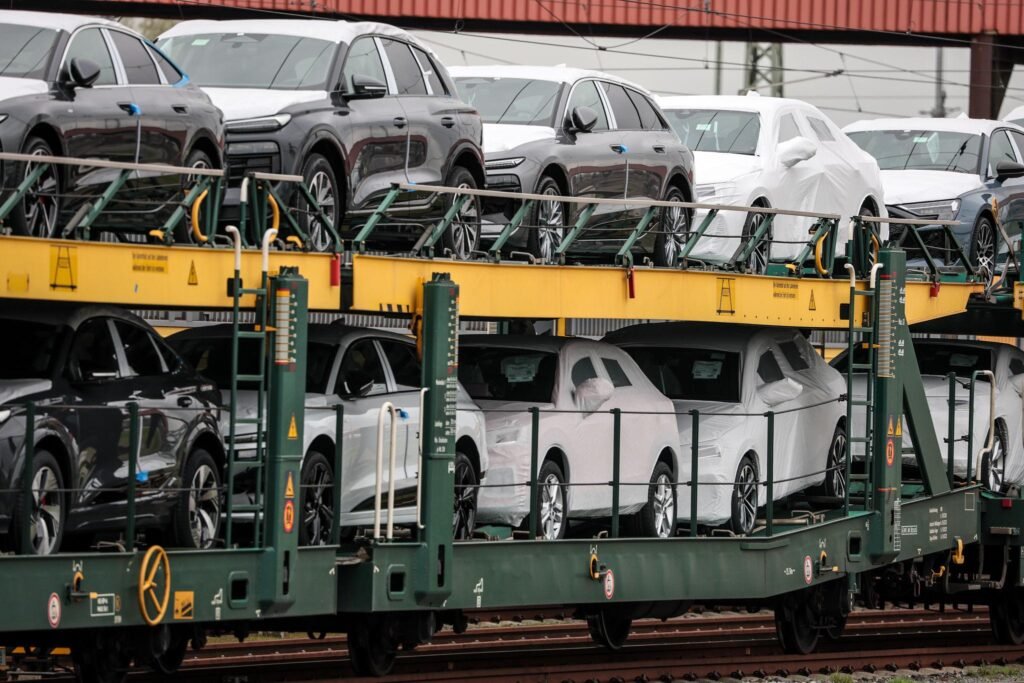
Polish authorities have issued one of the country’s largest penalties linked to sanctions evasion, after a company managed by Belarusian citizens was found to have used false export routes to move luxury vehicles ultimately destined for Russia.
According to Reform.news, Poland’s tax administration fined a Krakow-based company up to 20 million zloty (around $5.5 million) after investigators concluded it knowingly circumvented EU restrictions on exports to Russia and Belarus. (REFORM.news (ранее REFORM.by))
The case highlights growing enforcement pressure across Europe as governments tighten controls on sanctioned goods, dual-use products and luxury items that may still be reaching restricted markets through intermediary routes.
False Transit Routes Used for High-End Cars
Authorities said the company purchased luxury vehicles in Western Europe during 2022 and 2023 before exporting them outside the European Union using what officials described as a false transit scheme.
While customs documents listed alternative destinations, investigators concluded the cars in fact remained in Russia after transiting through Poland, Lithuania and Belarus. (REFORM.news (ранее REFORM.by))
EU sanctions have prohibited exports of cars valued above €50,000 to Russia since 2022, with similar restrictions later extended to Belarus.

More Than 100 Vehicles Worth Tens of Millions
Polish officials said more than 100 vehicles with a total value exceeding 49 million zloty (about $13.6 million) were exported under the scheme. Investigators said evidence suggested managers acted deliberately and with knowledge of the sanctions framework. (REFORM.news (ранее REFORM.by))
The size of the case suggests luxury automobiles remain a high-risk category for sanctions circumvention because of their high unit value, portability and resale demand in restricted markets.
Why Luxury Cars Matter in Sanctions Enforcement
Vehicles from premium European brands have become a recurring focus in sanctions monitoring since Russia’s invasion of Ukraine. High-end cars are considered both prestige goods and significant revenue sources for intermediaries able to reroute supply.
Governments across the EU have increased scrutiny of shipments passing through neighboring countries where re-export risks are elevated.
Wider Signal to European Businesses
The Polish penalty sends a strong warning to logistics firms, dealers, exporters and intermediaries operating near the EU’s eastern border.
Regulators increasingly expect companies to verify final destinations, beneficial ownership, payment chains and suspicious routing patterns. Failure to perform due diligence can now result in major financial penalties and reputational damage.

Relevance for Slovenia and Central Europe
For Slovenia and other smaller EU economies, the case is relevant because many firms participate in wider European supply chains involving automotive goods, transport and re-export trade.
As enforcement intensifies, companies across the bloc are likely to face stronger compliance expectations even if they are not directly involved in Russia-facing commerce.
Bottom Line
The Polish ruling shows sanctions enforcement is moving beyond symbolic policy into high-value corporate penalties.
In 2026, companies attempting to disguise trade routes for restricted luxury goods face rising legal and financial risk across Europe.
Sources
Reform.news – Polish Company Owned by Belarusian Citizens Fined Large Sum for Violating Sanctions in Luxury Car Deliveries (REFORM.news (ранее REFORM.by))