Tesla delivered 486,532 vehicles in the third quarter of 2026, beating analysts’ expectations as a recovery in Europe helped offset weaker demand in the United States and China. The result suggests the electric-vehicle maker’s core automotive business may be stabilising after two consecutive years of declining annual deliveries.
The company’s quarterly deliveries exceeded the average analyst estimate of 456,896 vehicles by almost 30,000. Tesla shares rose in early trading following the announcement, although the company’s stock had suffered substantial losses earlier in the year.
Europe Drives the Rebound
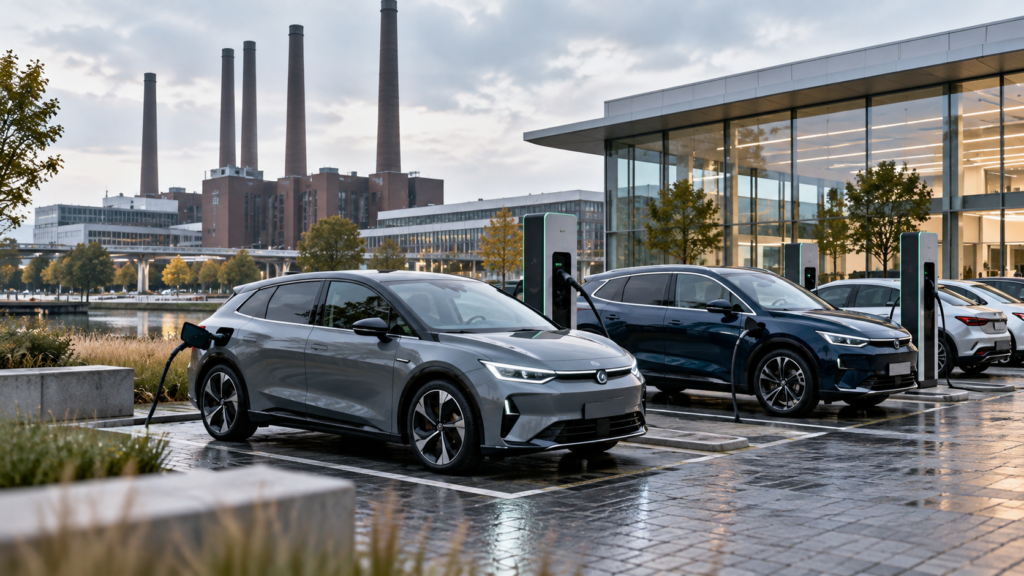
European demand has become an important source of momentum for Tesla. September registrations rose sharply in several markets, including Portugal, France, Sweden and Spain, extending a recovery from a difficult period in the region.
The improvement comes as Tesla faces intensifying competition from established carmakers and lower-priced Chinese electric vehicles. The loss of US federal electric-vehicle tax incentives has also added pressure to demand in one of the company’s largest markets.
Production Trails Deliveries
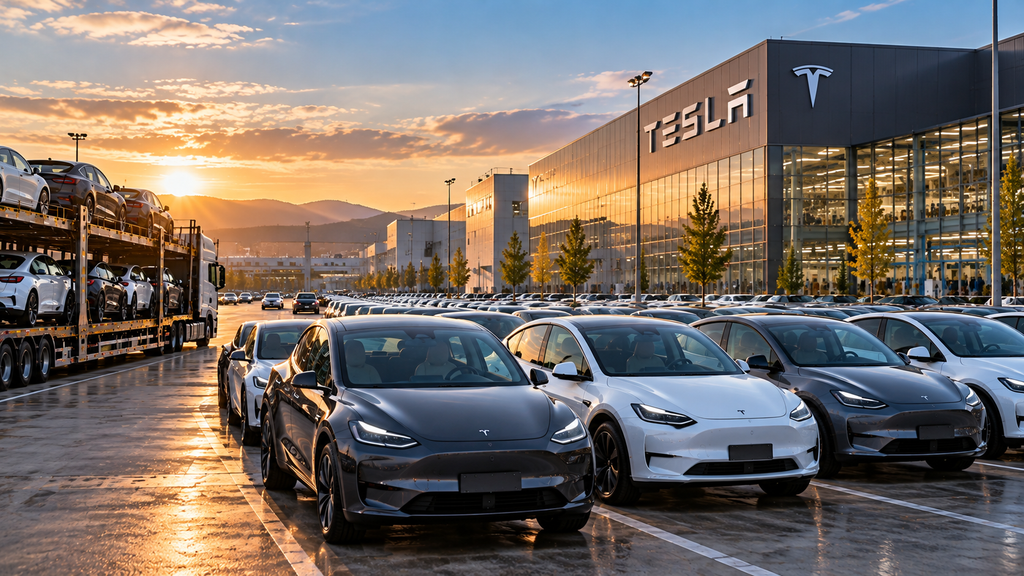
Tesla produced 464,391 vehicles during the quarter while delivering 486,532. The difference indicates that deliveries exceeded current-quarter production, meaning inventory and vehicle availability helped support sales.
The Model 3 and Model Y accounted for the overwhelming majority of deliveries, underlining how dependent Tesla remains on its two core vehicle lines. Sustained growth will depend on whether the company can maintain demand while defending pricing and margins against competitors.
China Remains Competitive
Competition in China remains a major challenge, but Tesla’s Shanghai-built vehicles have shown signs of improvement. September sales of China-made Model 3 and Model Y vehicles, including exports, increased year over year, extending a recovery that has also benefited international markets.
However, monthly sales data can fluctuate with export schedules, incentives and the timing of deliveries. The longer-term test is whether Tesla can consistently grow its Chinese business while competing with domestic manufacturers.
Investors Await Earnings
Tesla is scheduled to report its third-quarter financial results on October 21. Delivery figures provide an important measure of demand, but they do not reveal the full financial picture. Average selling prices, manufacturing costs, discounts and product mix will determine how much revenue and profit the company generates from the additional vehicles.
Investors will also be assessing Elon Musk’s plans for autonomous driving, robotaxis and artificial intelligence. These initiatives could create new revenue streams, but Tesla’s valuation leaves little room for prolonged weakness in its core business.
The latest delivery report is a positive signal for Tesla. Whether it marks a lasting turnaround will depend on profitability, competitive positioning and demand through the final quarter of the year.