Short description: Rising crude oil prices are intensifying inflation concerns and complicating the outlook for monetary policy, putting pressure on gold and silver despite continued geopolitical uncertainty. The market reaction highlights the increasingly complex relationship between energy shocks, interest-rate expectations, and traditional safe-haven assets.
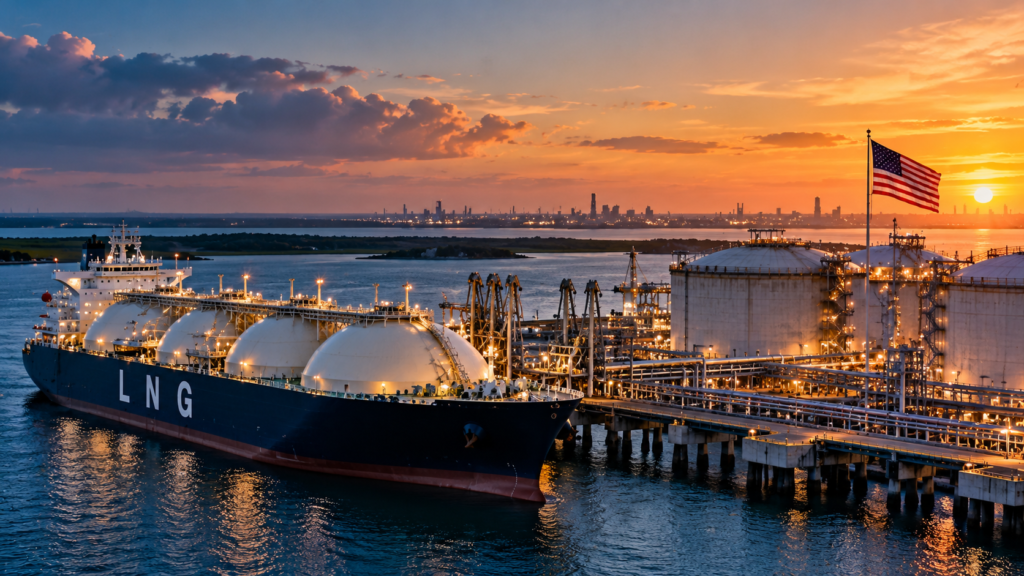
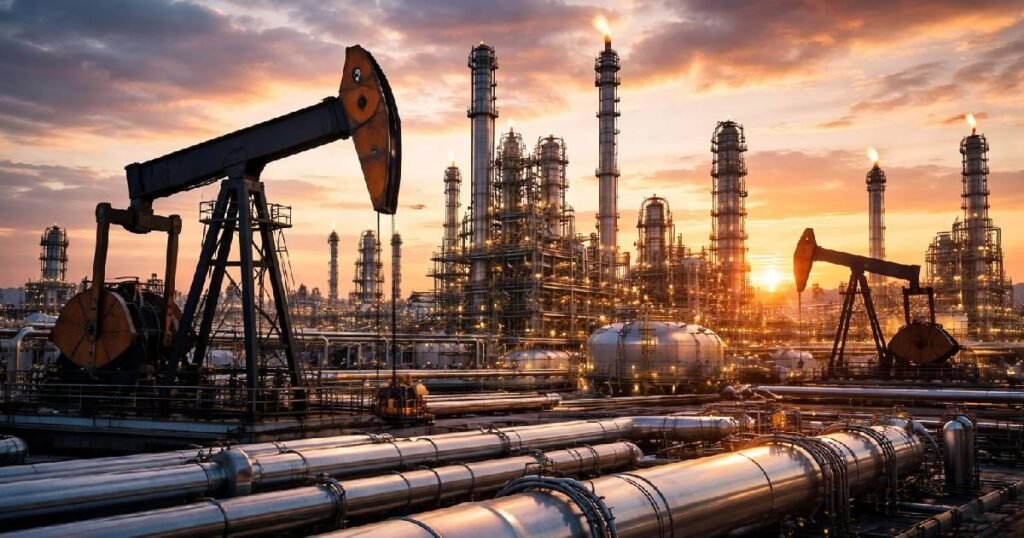
◉ Oil reaches a six-month high: Brent crude settled at $116.72 per barrel on Friday, 23 October 2026, its highest closing level since 29 April, while U.S. WTI settled at $103.27.
◉ Precious metals face weekly losses: Gold traded near $4,000 per ounce and silver around $54 as rising energy prices strengthened concerns that inflation could remain elevated.
◉ Safe-haven demand faces a policy headwind: Geopolitical uncertainty can support demand for precious metals, but expectations of restrictive monetary policy and higher interest rates can weigh on assets that do not pay interest.
Oil’s Return as a Market Driver
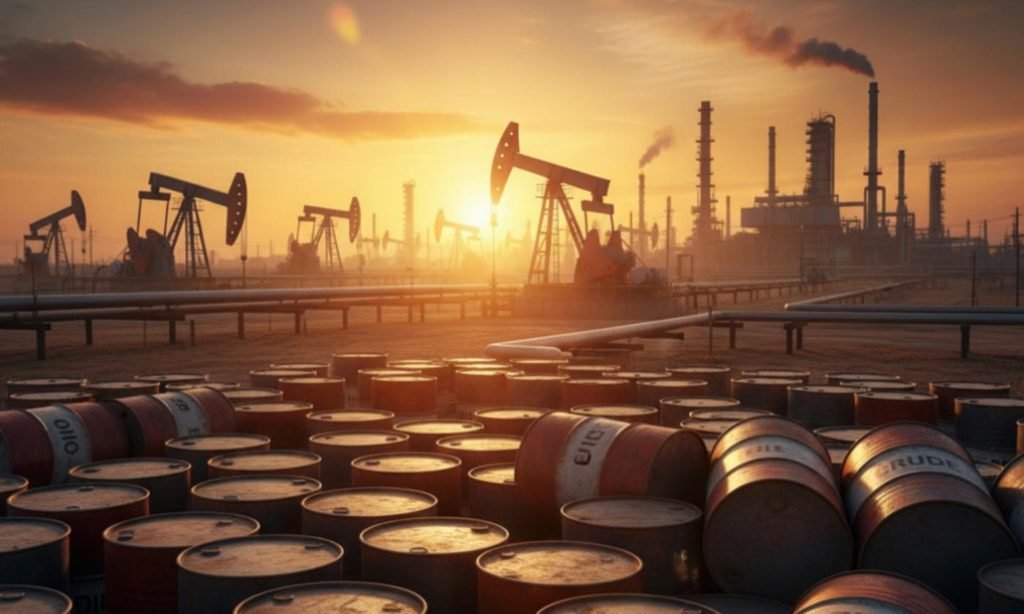
The surge in crude oil prices has emerged as a central force shaping global financial markets, connecting geopolitical risk with inflation expectations and the outlook for monetary policy. The latest move in energy prices has created an unusual environment for precious metals: the same geopolitical tensions that would normally strengthen demand for safe-haven assets are also contributing to conditions that can weaken them.
On Friday, 23 October, Brent crude settled at $116.72 per barrel, gaining 3.14% during the session. U.S. West Texas Intermediate crude finished at $103.27, up 3.82%. Both benchmarks advanced as concerns about further disruptions to Middle Eastern energy supplies intensified.
The price action reflects more than a temporary shift in commodity sentiment. Energy markets are increasingly pricing the possibility that geopolitical instability could translate into a broader inflation shock, affecting consumer prices, corporate costs and central-bank decisions.
For investors, the distinction between a short-lived oil rally and a sustained supply-driven increase is becoming particularly important. A temporary disruption may produce a sharp but reversible move in energy prices. A prolonged disruption could have wider implications for inflation, economic growth and financial conditions.
Why Gold Is Under Pressure
Gold has traditionally benefited from geopolitical uncertainty, particularly when investors seek protection against financial instability or declining confidence in conventional assets. Yet its performance during the latest escalation has demonstrated that safe-haven demand does not operate independently of monetary policy.
Spot gold fell below $4,000 per ounce on Friday, touching an intraday low of approximately $3,975.23, according to market reporting. The metal was heading toward a weekly decline of around 4%, its steepest weekly fall since June.
The immediate pressure came from the relationship between energy prices and interest-rate expectations.
Higher oil prices can feed through to transportation, manufacturing, electricity and other business costs. If those increases persist, they can make inflation more difficult to contain. Central banks may consequently have less room to lower interest rates, even if economic activity begins to weaken.
That prospect changes the relative appeal of gold. Unlike government bonds and many other interest-bearing assets, bullion does not generate regular income. When investors expect interest rates to remain elevated, the opportunity cost of holding gold can increase.
A stronger U.S. dollar can add another layer of pressure because gold is priced internationally in dollars, making it more expensive for buyers using other currencies.
The result is a market in which rising geopolitical risk is not automatically translating into higher bullion prices.
The Inflation Transmission
The economic consequences of higher oil prices extend well beyond the energy sector. Oil is a direct input for transport and petrochemicals and an indirect cost throughout much of the global production system.
When crude prices rise sharply, businesses face a choice between absorbing higher costs, improving efficiency or passing some of the increase on to customers. The balance between these responses helps determine whether an energy shock remains concentrated in a few industries or spreads across the broader economy.
The latest U.S. data added to concerns that inflationary pressures remain persistent. October business surveys indicated resilient private-sector activity, while reported selling-price pressures accelerated. Consumer inflation expectations also edged higher, reinforcing the concern that rising energy costs could complicate the inflation outlook.
This combination is significant for monetary policy. A cooling economy would normally strengthen the case for lower interest rates. However, if inflation remains elevated while activity holds up, policymakers may find it harder to justify an early easing cycle.
The Federal Reserve’s October 27–28 meeting therefore became an important near-term reference point for markets assessing the balance between inflation risks and economic momentum.
Markets were largely expecting the central bank to leave rates unchanged at that meeting, while the possibility of a later increase remained a source of uncertainty.
The critical variable is not oil’s price alone, but how long elevated energy costs persist and how strongly they influence broader inflation expectations.
The Energy Shock Behind the Move
The geopolitical dimension of the rally is central to the market’s interpretation. Renewed attacks involving Saudi Arabian targets and concerns about maritime security in the Middle East have increased uncertainty around the reliability of regional energy supplies.
The Strait of Hormuz remains particularly important because it is a major route for international oil shipments. Any sustained interruption to traffic through the waterway could complicate exports, raise shipping costs and increase the risk premium embedded in crude prices.
Markets respond not only to barrels already removed from supply but also to the possibility of future disruption. When traders perceive a greater risk that available supplies may become less reliable, prices can rise before the full economic consequences are visible.
Energy markets are sensitive to both actual supply interruptions and the perceived risk of future disruptions to major shipping routes.
This uncertainty creates competing effects across asset classes. Energy producers may benefit from higher realized prices, while energy-intensive businesses face increasing costs. Consumers can lose purchasing power as fuel and transport expenses rise, potentially reducing spending elsewhere.
For financial markets, the implications depend on the scale and duration of the disruption. A sustained oil rally can influence corporate earnings, inflation expectations, government bond yields and the relative performance of different sectors.
The precious-metals market is caught within this wider adjustment.
Why Silver Faces Greater Pressure
Silver shares gold’s role as a precious metal, but its market dynamics are different. In addition to investment demand, silver has significant industrial applications, including electronics, solar technology and other manufacturing processes.
That dual role can make silver especially sensitive to uncertainty about economic growth.
When oil prices rise because of supply disruption, investors must consider two potential outcomes simultaneously: persistent inflation and weaker industrial demand. The first can increase the likelihood of restrictive monetary policy, while the second can weigh on expectations for silver consumption.
Friday’s trading reflected that vulnerability. Silver was near $53.90 per ounce in late U.S. trading, extending losses across the week.
The difference between gold and silver is important. Gold is more directly associated with monetary confidence, reserve demand and defensive positioning. Silver is influenced by those factors but also responds to industrial activity and the economic cycle.
Consequently, the same combination of higher energy prices, restrictive monetary expectations and uncertainty about growth can create additional pressure on silver.
The recent decline also illustrates how precious metals can experience selling even when geopolitical risks are rising. Investors facing losses in other markets may reduce positions in liquid assets to meet margin requirements or raise cash, creating additional downward pressure that is not necessarily driven by a deterioration in the metals’ longer-term fundamentals.
A Complicated Safe-Haven Trade
The latest market movement challenges the assumption that geopolitical instability reliably benefits every traditional defensive asset.
Gold can attract demand when investors become concerned about conflict, financial-system stability or currency purchasing power. However, those supportive forces can be offset when the same events push energy prices higher and strengthen expectations for restrictive monetary policy.
Government bonds and the U.S. dollar may also compete with bullion for defensive capital, depending on changes in yields, liquidity conditions and expectations for Federal Reserve policy.
This makes the current environment different from a straightforward flight to safety. Rather than moving uniformly into defensive assets, investors are distinguishing between assets that offer income, those that provide liquidity and those whose value is particularly sensitive to real interest rates.
The distinction is especially relevant when inflation and economic uncertainty rise together.
If oil prices remain elevated, inflation expectations could become more difficult to anchor. If energy prices subsequently retreat, some of that pressure could ease. Between those outcomes, changes in bond yields, currency markets and investor positioning may continue to influence precious metals independently of the geopolitical headlines.
What Markets Are Watching
The next phase of the market adjustment will depend on several interconnected developments.
First, traders will assess whether crude prices remain near their latest highs or whether the geopolitical risk premium begins to fade. A sustained move in energy prices would have different implications from a brief spike followed by a rapid reversal.
Second, inflation data and central-bank communications will shape expectations for the path of interest rates. Evidence that price pressures are broadening could reinforce concerns about prolonged monetary restraint, while signs of easing inflation could change the balance.
Third, developments in the U.S. dollar and Treasury yields will remain important for precious metals. Gold’s reaction to changes in those markets may reveal whether monetary conditions or defensive demand are exerting the stronger influence.
Finally, market liquidity and investor positioning could affect the speed and intensity of price movements. Sharp declines can prompt further selling when investors reduce risk across multiple asset classes, potentially amplifying moves beyond what changes in underlying demand alone would suggest.
The combination of these forces means that the direction of oil prices, the inflation outlook and monetary expectations cannot be evaluated in isolation.
The Broader Market Implication
The October sell-off in gold and silver highlights a central tension in global markets: geopolitical instability can simultaneously increase demand for protection and undermine the monetary conditions that support precious metals.
Brent crude’s settlement at $116.72 per barrel and the decline in gold below $4,000 marked a notable divergence between two markets often viewed as sensitive to global uncertainty. Oil benefited from supply concerns, while bullion faced pressure from inflation and interest-rate expectations.
Whether that divergence persists will depend on the interaction between energy supply risks, inflation data, central-bank policy and the broader economic outlook.
For now, the latest session demonstrates that the traditional safe-haven narrative is not sufficient on its own to explain price movements. In an environment where geopolitical shocks can reshape inflation expectations, the transmission from energy markets to monetary policy may become just as important as the original event.
The central question is whether the oil surge remains a temporary geopolitical premium or develops into a more persistent inflation shock. That distinction could shape the performance of commodities, currencies and fixed-income markets well beyond the immediate period of uncertainty.
Sources
- Reuters — Global Markets and Oil Prices — Friday’s oil settlement, equity-market performance and Treasury yields.
- Reuters — Gold Falls as Oil Prices Fuel Rate Concerns — Gold’s weekly decline and changing expectations for Federal Reserve policy.
- Kitco — Gold and Silver Extend Weekly Losses — Precious-metals prices, inflation expectations and market conditions on 23 October.
- Kitco — Gold Heads for a Steep Weekly Loss — Additional reporting on energy-market tensions and precious-metals performance.