lectric vehicle sales are moving in opposite directions across the Atlantic. While demand for new electric cars has weakened in the United States, European sales are accelerating, supported by rising fuel costs, a broader selection of affordable models and stronger regulatory incentives.
Data published in October 2026 show that battery-electric vehicles accounted for 23.2% of the European car market in the first nine months of the year, compared with just 6% of US vehicle sales. The divergence highlights how government policy, consumer incentives and vehicle availability can reshape the automotive industry.
Europe Gains Momentum
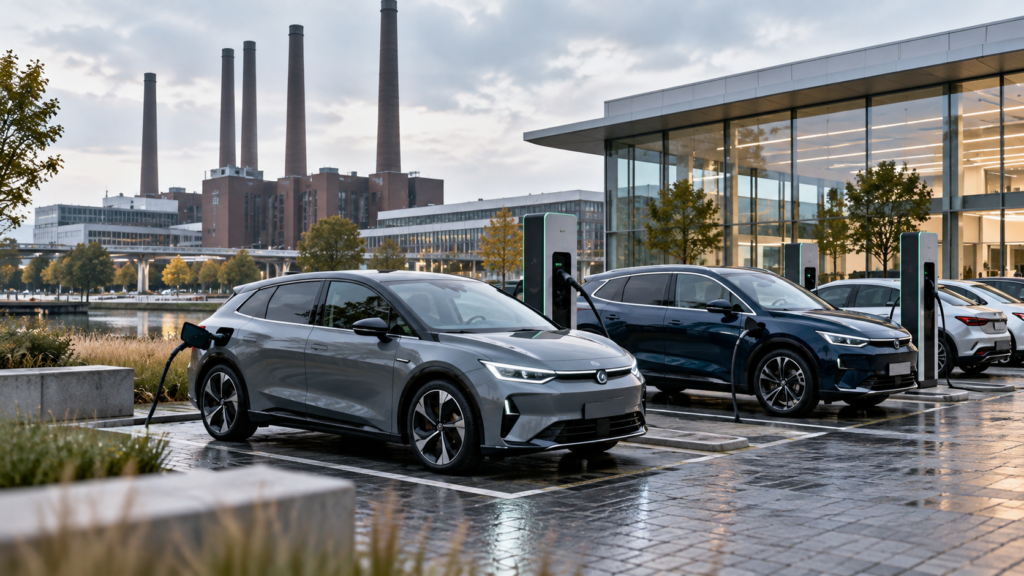
European electric vehicle sales have benefited from a growing choice of models and continued pressure on automakers to meet emissions requirements. More than 150 electric models were available in Europe during the first half of 2026, compared with approximately 100 in 2024.
Many newer models are priced below €25,000, expanding the market beyond premium buyers. Government incentives in several European countries have also helped reduce upfront purchase costs.
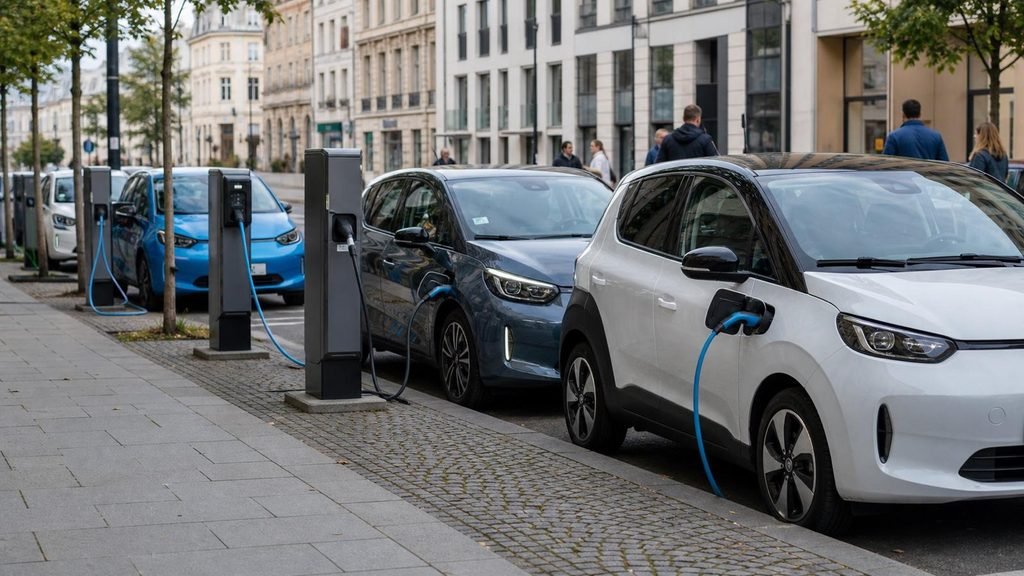
Higher fuel prices have added another incentive. As petrol and diesel become more expensive, the potential savings from charging an electric vehicle become more attractive, particularly for drivers covering long distances.
The shift is also creating opportunities for European manufacturers to expand their electric line-ups, while Chinese brands are adding competition through competitively priced imports.
America Turns Towards Hybrids
The US market has moved in the opposite direction following the expiration of a $7,500 federal electric-vehicle tax credit in September 2025. Through September 2026, US electric-vehicle sales fell 30.7% year on year, accounting for just 6% of overall vehicle sales.
Many traditional manufacturers have reduced their electric-vehicle plans, discontinued models or scaled back incentives that previously helped make electric cars more affordable.
Hybrid vehicles have benefited from the shift. US hybrid sales increased 23% during the first three quarters of 2026, representing 15.6% of total vehicle sales over the period. Used electric cars have also attracted buyers, with sales rising 19% year on year through September.
The figures suggest that US consumers have not abandoned electrification altogether. Instead, many are choosing technologies that offer improved fuel efficiency without requiring the same charging infrastructure or purchase commitment as a fully electric vehicle.
Automakers Face Different Strategies
The contrasting trends are forcing manufacturers to adapt their strategies to regional conditions. In Europe, a wider choice of electric models and emissions requirements are encouraging automakers to expand their battery-powered offerings.
In the US, reduced federal support and uncertainty over future demand have encouraged several companies to focus more heavily on hybrids. Tesla and Rivian have performed better than some traditional manufacturers in the US electric-vehicle market, although their results differ considerably by model and sales period.
Chinese manufacturers are adding another layer of competition in Europe, where a growing selection of imported electric vehicles is putting pressure on established brands to improve pricing and product offerings.
The result is a more fragmented global market, in which the same automaker may need different product mixes, pricing strategies and investment priorities depending on the region.
What Investors Should Watch
Investors should monitor electric-vehicle market share, average selling prices, incentives, production costs and manufacturers’ ability to generate sustainable margins. Strong sales growth alone does not guarantee profitability, particularly when competition forces companies to reduce prices.
Europe’s accelerating adoption creates opportunities for manufacturers with competitive, affordable models. However, regulatory changes, subsidy reductions and shifts in fuel prices could alter demand. In the US, hybrid sales may remain important while buyers weigh vehicle costs, charging access and driving range.
The wider lesson is that electric-vehicle adoption is not following a single global trajectory. Policy, affordability and product availability are producing sharply different outcomes, making regional strategy increasingly important to the automotive industry.
Sources
- Reuters / Investing.com — Why EV sales are lukewarm in America, but hot in Europe
- Reuters — Why EV sales are lukewarm in America, but hot in Europe
- Reuters — European EV sales hit record in pivotal year for affordable cars
- European Automobile Manufacturers’ Association (ACEA) — New car registrations and market data