A sprawling oceanfront penthouse at The Seaway at the Surf Club in Surfside, Florida, sold for $86 million, setting a record for a condominium sale in Miami-Dade County. The transaction highlights the continued appeal of exceptional waterfront properties among wealthy buyers seeking privacy, prime locations and long-term real-estate exposure.
One important detail: the sale closed in November 2025, not October 2026. Although the property report is being highlighted again in October 2026, independent real-estate reporting and transaction records confirm the earlier closing.
A Record-Breaking Oceanfront Property

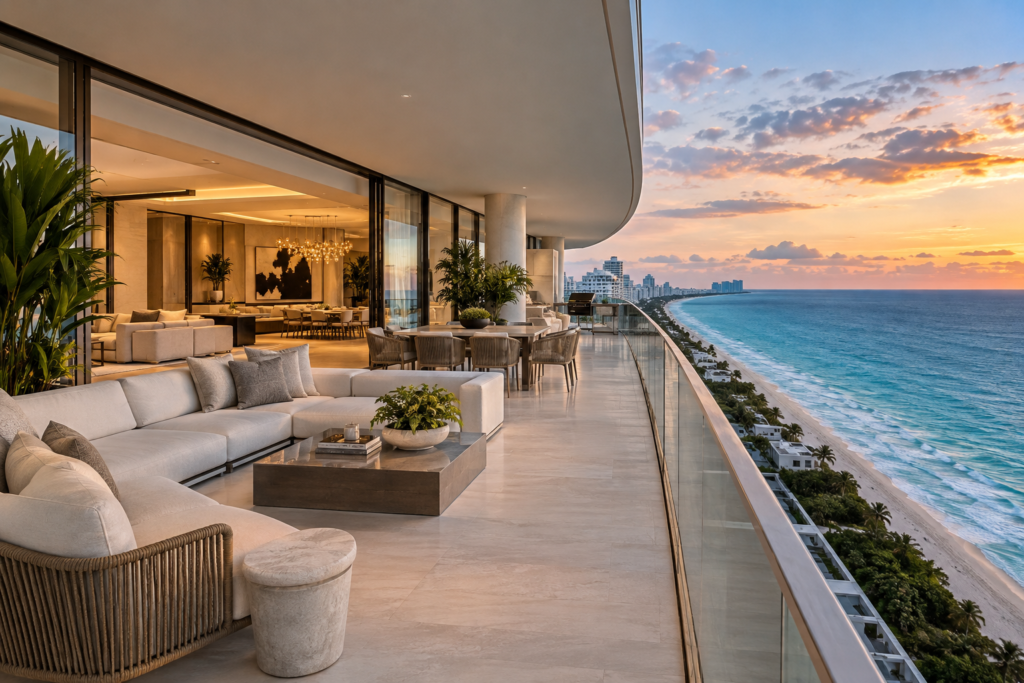
The penthouse, identified as PH-11 at 9149 Collins Avenue, spans approximately 16,053 square feet. At the reported sale price, the transaction equates to roughly $5,358 per square foot.
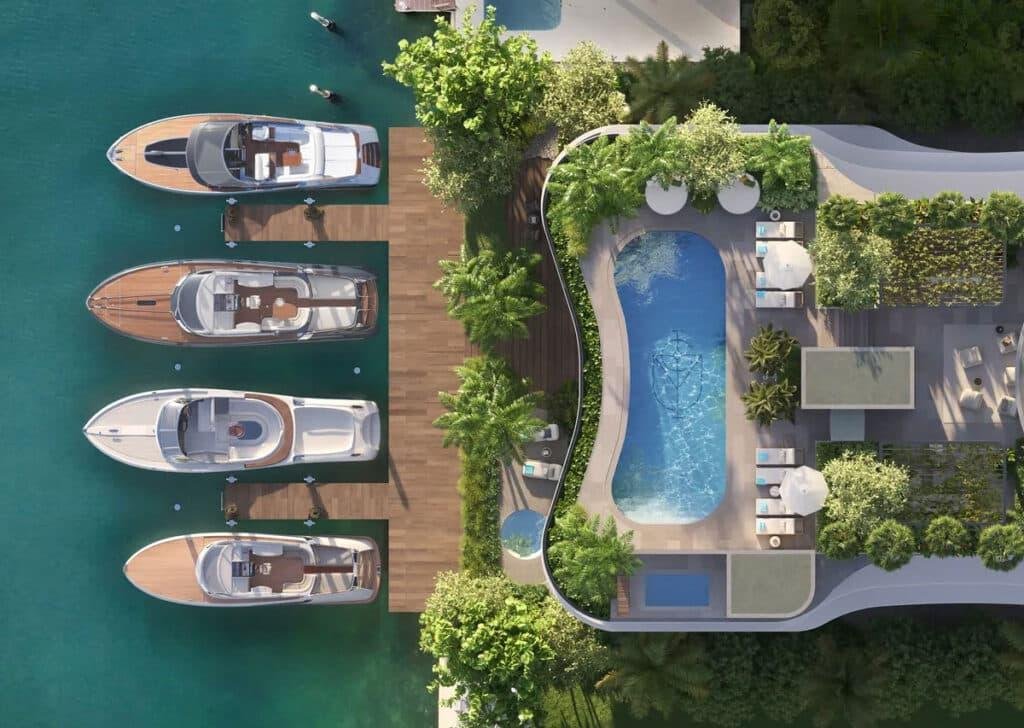
The property forms part of The Seaway at the Surf Club, an exclusive residential development in Surfside, just north of Miami Beach. The project combines beachfront living with access to the services and amenities associated with the neighbouring Surf Club and Four Seasons residences.
The scale of the residence is central to its value. Ultra-luxury penthouses offer features that are difficult to replicate in conventional apartments, including expansive interiors, private outdoor space, ocean views and a limited number of comparable properties.
Who Bought The Penthouse?
The transaction involved SCR Residences LLC, associated with Fort Partners, as the seller. The purchasing entity, Surfclub 11 LLC, was linked in early reporting to WE Family Offices.
Subsequent reporting identified the buyer as photographer and philanthropist Caryl Englander. The deal attracted attention because of both its price and its place in Miami’s increasingly prominent luxury-property market.
The purchase illustrates how high-net-worth individuals can allocate capital to distinctive residential properties in internationally recognised locations. However, a single transaction does not establish a wider trend in luxury-home prices or guarantee that the property will appreciate.
Miami’s Luxury Market Attracts Wealth
Miami and its surrounding coastal communities have become important destinations for affluent domestic and international property buyers. Oceanfront developments offer a combination of lifestyle appeal, limited land availability and access to business, financial and cultural networks.
Surfside occupies a particularly exclusive stretch of coastline between Bal Harbour and Miami Beach. Its smaller scale and concentration of high-end beachfront properties differentiate it from larger condominium markets elsewhere in South Florida.
For wealthy buyers, a prime residence can serve several purposes: a personal home, a second residence, a long-term asset or part of a broader real-estate portfolio. The balance between these objectives varies by buyer.
Yet luxury property also comes with substantial carrying costs, including insurance, property taxes, maintenance and association fees. Coastal exposure, weather risks and changing regulations can affect ownership costs and resale demand.
A Record Sale, Not A Market Benchmark
The $86 million transaction is significant, but it should be interpreted carefully. Ultra-luxury sales are often highly individual, reflecting a property’s size, views, amenities, privacy and scarcity rather than the conditions affecting the broader housing market.
The price per square foot provides a useful comparison, but even that measure can be misleading when residences differ significantly in layout, outdoor space, floor level and included amenities.
Other Miami properties have been associated with reported contracts at higher prices. However, a signed contract or asking price is not the same as a completed transaction. A confirmed closing provides stronger evidence of what a buyer actually paid.
For investors evaluating the market, completed sales, comparable properties and local supply conditions are more informative than headline figures alone.
What Wealthy Buyers Are Paying For
The transaction highlights several characteristics that continue to command premium prices in the global luxury-property market:
- Scarcity: There are few residences combining exceptional size, direct oceanfront access and a prestigious address.
- Privacy: Exclusive buildings can offer a more controlled residential environment than larger developments.
- Location: Established coastal destinations retain appeal among buyers seeking lifestyle benefits and international connectivity.
- Amenities and services: High-end residential developments increasingly compete through hospitality-style services and access to premium facilities.
These characteristics can support demand, but they do not eliminate investment risk. Luxury homes are relatively illiquid assets, and selling them quickly may require a substantial price adjustment if market conditions deteriorate.
Luxury Real Estate As A Wealth Strategy
For high-net-worth buyers, a property such as the Seaway penthouse can represent more than a residential purchase. It may form part of a diversified portfolio that also includes equities, bonds, private investments and other real assets.
Real estate offers tangible ownership and potential long-term appreciation, but its financial performance depends on the acquisition price, financing, operating costs, taxes and eventual resale value. Unlike publicly traded securities, a luxury residence cannot generally be sold immediately at a transparent market price.
Investors should therefore distinguish between buying a property for personal enjoyment and purchasing it primarily for financial returns. A residence can deliver substantial lifestyle value without necessarily outperforming other investments.
Miami’s Ultra-Luxury Market In Focus
The $86 million sale at The Seaway at the Surf Club demonstrates the prices that exceptional oceanfront residences can command in South Florida. Its record-setting value reflects the combination of scale, location, exclusivity and demand from wealthy buyers.
The deal is a notable milestone for Miami-Dade County’s condominium market, but it should not be treated as proof that luxury-property values are rising uniformly. The broader outlook will depend on financing conditions, insurance costs, new supply and the willingness of affluent buyers to continue committing capital to high-end homes.
For the luxury real-estate sector, the most important question is whether further completed transactions can sustain this level of demand—not simply whether asking prices continue to rise.
Sources
- BRG International – Record-Breaking Luxury: Seaway at the Surf Club Penthouse Sells for $86 Million
- South Florida Business Journal – Surfside penthouse sold for county-record $86 million
- The Wall Street Journal – Caryl Englander Pays $86 Million for Florida Condo
- Miami Association of Realtors – Priciest Homes Sold in 2025