Europe’s rental market is facing a widening affordability divide, with Romania, Croatia and Slovenia recording some of the sharpest rent increases in the European Union. The latest figures highlight how housing costs are putting pressure on households even as rental inflation remains relatively moderate in several major Western European economies.
According to Eurostat figures covering the second quarter of 2025 to the second quarter of 2026, actual rents paid by tenants increased by 3% across the EU. But the European average masks substantial differences between national markets.
Romania and Croatia Record Exceptional Increases
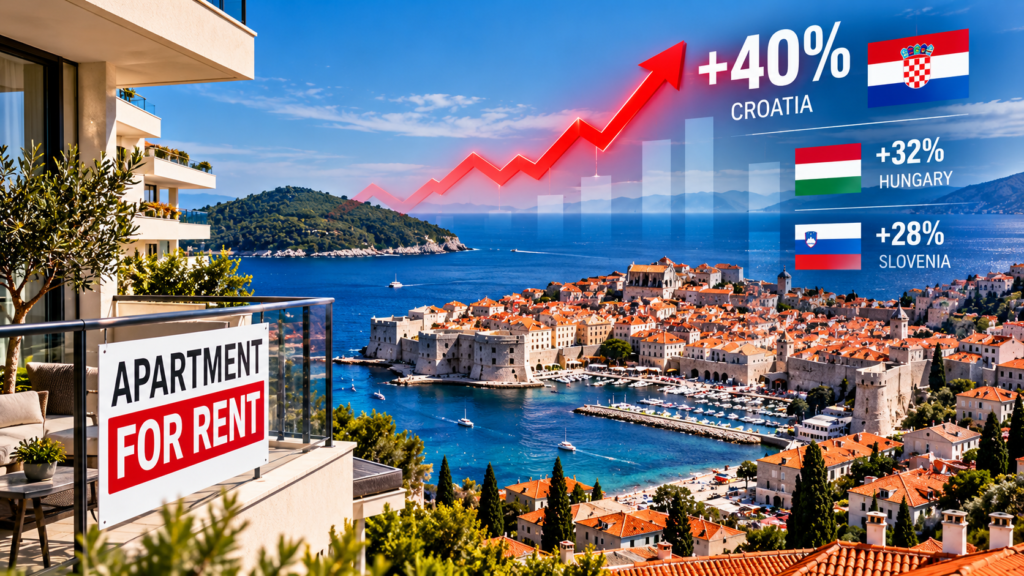
Romania recorded annual rent inflation of 43.5%, followed by Croatia at 40.1%. Slovenia ranked third in the EU, with rents increasing by 10%.
After adjusting for overall inflation, rents still rose by more than 30% in both Romania and Croatia. This suggests that the increases were not simply a reflection of the general rise in consumer prices.
The comparison also highlights the importance of distinguishing between official rent inflation and advertised rents for new properties. The figures measure changes in rents actually paid across the market, rather than the asking prices tenants may encounter when searching for a new home.
Why Are Rents Rising So Quickly?
Housing supply is a central part of the explanation. Strong competition for a limited number of available rental homes is pushing up prices, particularly in cities where employment, education and population growth concentrate demand.
Higher borrowing costs have also changed the choices available to households. Some prospective buyers who can no longer afford mortgage payments remain in the private rental market for longer, adding pressure to demand.
The reasons behind the national figures differ. Romanian authorities pointed to changes in administered rents, although housing researcher Adriana M. Soaita questioned whether public housing represented a large enough share of the market to explain the increase. Euronews also reported that higher-quality rental properties entering major cities at above-average rates may have influenced the national figures.
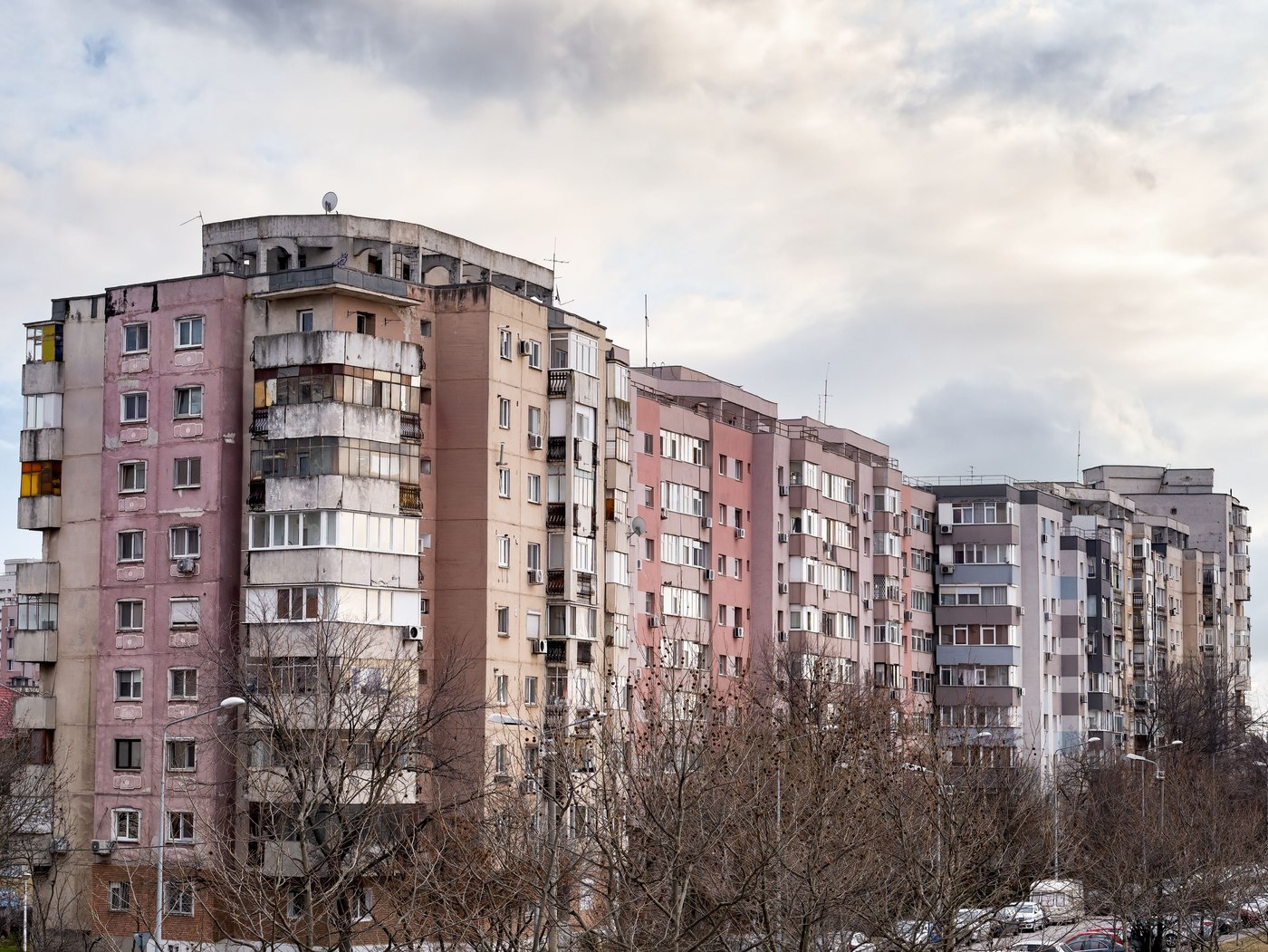
Image: Bucharest apartment blocks.
Slovenia Faces Its Own Rental Pressure
Slovenia’s 10% increase puts it among the EU countries experiencing the strongest rental inflation over the measured period. The figure is particularly relevant for households in Ljubljana and other employment centres, where access to affordable housing can shape decisions about work, family and relocation.
However, a national inflation rate does not mean every tenant faced a rent increase of that size. Actual changes depend on the property, location, lease terms and whether a household is renewing an existing contract or entering a new tenancy.
Western Europe Shows a Different Pattern
Rental inflation was much lower in several large European economies. Italy recorded a 3.5% increase over the same period, while Spain registered 2.5%, Germany 2.1% and France 1.6%.
These figures do not necessarily mean rents are affordable in those countries. A market with relatively low annual inflation can still have high absolute rents, particularly in major cities. Inflation measures the rate of change, not the amount tenants pay or the share of income spent on housing.
Turkey, which is outside the EU, recorded an even higher annual increase of 49.6%. However, its overall inflation rate was also substantially higher, meaning the real increase in rents was lower than in Romania and Croatia.
What It Means for Property Investors
For residential property investors, rising rents can improve potential rental income, but headline inflation alone is not enough to establish whether a market offers attractive returns. Acquisition prices, vacancy rates, maintenance, financing costs, taxation and rental regulations all affect net income.
The sharp increases in Romania and Croatia warrant closer analysis, rather than an assumption that rents will continue rising at the same pace. Sudden changes in official rent measures can also reflect statistical or regulatory effects, not just changes in market demand.
Europe’s rental market remains highly fragmented. Investors need to distinguish between markets experiencing rapid nominal increases and those offering sustainable yields after costs, while households face a more immediate challenge: finding housing that remains affordable relative to their incomes.
Sources
- Euronews — Which European countries are hit the hardest by annual rent inflation and why?
- Eurostat — House prices and rents continued to rise in Q2 2026
- European Commission — Housing market developments and affordability