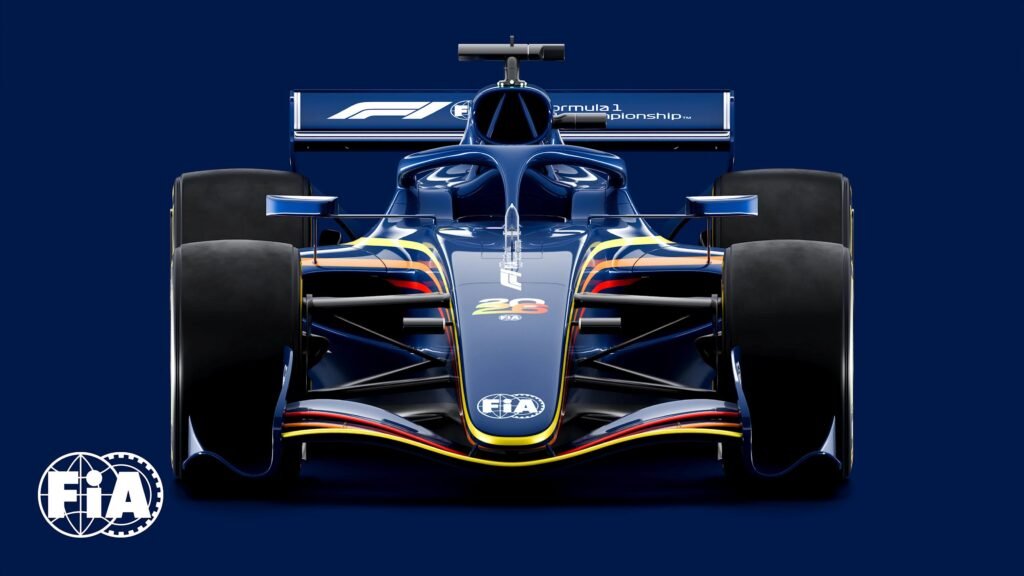
Formula One’s new-era regulations are already being revised after mounting criticism from drivers, teams and engineers, in a sign the sport is moving quickly to protect racing quality and safety only weeks into the 2026 season.
The FIA confirmed it is preparing targeted rule adjustments focused on the controversial energy-management system introduced this year, following complaints that the current setup has created artificial driving styles, inconsistent speed differentials and reduced wheel-to-wheel racing. (Guardian)
The 2026 rules marked one of the biggest technical resets in recent decades, with cars relying on a 50-50 balance between internal combustion and electric power. While designed to improve sustainability and attract new manufacturers, the system has forced drivers to constantly manage battery deployment and recharge cycles during laps.
Several leading figures, including Max Verstappen, criticized the format publicly, warning that Formula One risked drifting away from flat-out racing. F1 chief executive Stefano Domenicali said driver concerns had to be taken seriously, underlining the pressure facing the sport’s leadership. (Guardian)

One of the biggest triggers for urgent action was a heavy crash involving Oliver Bearman at Suzuka, where concerns emerged over large speed differences between cars using different power modes. Officials have since prioritized reducing dangerous closing speeds while preserving competition. (Guardian)
Among the proposed fixes are lower recharge limits in qualifying to allow drivers to push harder over a lap, plus adjustments to power deployment during race conditions. The FIA is also reviewing start procedures and wet-weather energy recovery settings to improve consistency and safety. (Guardian)
Mercedes team principal Toto Wolff backed a measured approach, saying the sport should refine the package carefully rather than tear it up entirely. That reflects the balance regulators face: solving driver frustration without undermining billions invested by manufacturers in the new power-unit era. (Reuters)
For investors and sponsors, the situation matters because Formula One has become a premium global sports asset whose commercial value depends on strong racing, audience growth and manufacturer participation. Audi, Ford, Honda and Cadillac-linked projects are tied to the new rules cycle, making stability important. (Wikipedia)

For European audiences, including Slovenia, the rapid regulatory rethink highlights how modern motorsport increasingly behaves like a technology sector: fast iteration, stakeholder pressure and constant optimization.
If approved before the Miami Grand Prix, the changes would represent one of the quickest mid-cycle responses in Formula One history — and an early admission that sustainability targets alone are not enough if the spectacle suffers.
Sources
The Guardian – FIA confirms F1 rule changes in reaction to driver unhappiness and safety fears
https://www.theguardian.com/sport/2026/apr/20/formula-one-new-regulations-changes-motor-sport
The Guardian – Unhappy Verstappen has to be listened to over new rules
https://www.theguardian.com/sport/2026/apr/15/max-verstappen-new-rules-formula-one-chief-domenicali-motor-racing-f1
Reuters – Wolff says F1 must wield scalpel not baseball bat making changes
https://www.reuters.com/sports/formula1/wolff-says-f1-must-wield-scalpel-not-baseball-bat-making-changes-2026-04-20/