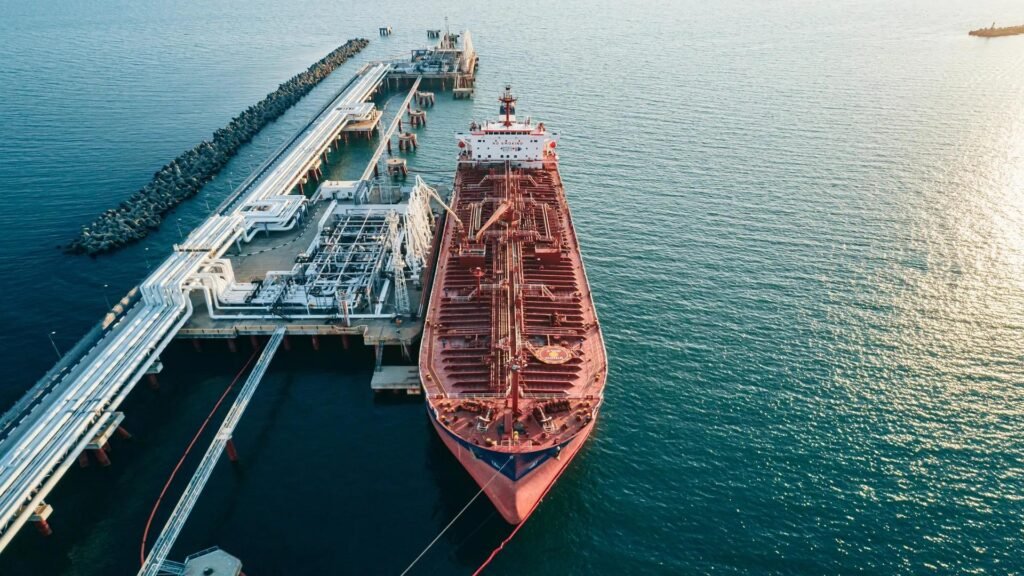
Oil’s renewed surge is becoming more than an energy-market story. With Brent crude reportedly trading near $112 a barrel, rising geopolitical risk is threatening to complicate Europe’s inflation outlook, squeeze industrial profit margins and reshape expectations for interest rates.
For European households and businesses, the central question is no longer simply how high crude prices might climb. It is how long elevated energy costs could persist—and how much of that pressure will ultimately reach consumers, corporate earnings and financial markets.
Europe Faces Renewed Energy Pressure
Europe remains particularly sensitive to international energy prices because it relies heavily on imported oil and natural gas. Even where physical supplies remain secure, higher global benchmark prices can increase the cost of transport, manufacturing and distribution.
The impact is uneven. Countries with higher fuel taxes may experience smaller percentage changes at petrol stations than crude prices alone would suggest, while currency movements can either amplify or soften the increase. A weaker euro against the US dollar would make dollar-priced oil more expensive for European buyers.
For governments, another period of expensive energy could revive difficult decisions about household support, industrial competitiveness and public spending.
Households Feel the Impact
Rising crude prices generally reach consumers through petrol, diesel and heating-related expenses, although the timing depends on refining margins, taxes and retail pricing.
Higher transport costs can also affect grocery prices and other everyday purchases. Businesses moving goods across Europe may face larger fuel bills and eventually pass part of those costs to customers.
The resulting pressure on household budgets matters for the wider economy. When consumers spend more on essential energy, they often have less money available for restaurants, travel, retail and discretionary services.
This can weaken consumer demand even as headline inflation rises—a particularly uncomfortable combination for policymakers.

Industrial Margins Under Pressure
Europe’s industrial sector faces a second challenge: protecting profitability while energy and freight costs rise.
Chemical producers, manufacturers, logistics companies and airlines are among the businesses most exposed to expensive fuel and petroleum-based inputs. Companies with long-term supply agreements or strong pricing power may be better positioned to absorb the shock. Those operating on thin margins could see profitability deteriorate.
Refiners face a more complicated equation. High crude prices can increase working-capital requirements, while elevated diesel and jet-fuel margins may provide revenue opportunities. Ultimately, profitability depends on the difference between the cost of acquiring crude and the value of the refined products sold.
Higher shipping costs can further erode those margins, particularly when geopolitical disruptions force vessels onto longer routes.
Energy Shares Could Benefit
For equity investors, rising oil prices create winners as well as losers.
Integrated oil producers may benefit from stronger upstream earnings when crude prices increase. European energy majors with substantial production operations could therefore attract attention from investors seeking exposure to higher commodity prices.
But higher oil does not guarantee higher share prices. Production disruptions, windfall taxation, capital expenditure, hedging and broader stock-market weakness can offset the benefits of rising crude.
Airlines, transport operators and energy-intensive manufacturers may face the opposite pressure. Their earnings outlook becomes more vulnerable when fuel costs rise faster than they can adjust customer prices.
Inflation-Sensitive Assets React
Energy shocks can affect far more than oil futures and energy stocks.
Government bonds may come under pressure if investors anticipate persistently higher inflation and a more restrictive monetary-policy outlook. Inflation-linked bonds could receive renewed interest, although their performance also depends on real yields and market pricing.
Gold may attract demand during geopolitical uncertainty, but its response is not guaranteed. Higher real interest rates or a stronger dollar can offset the support provided by safe-haven buying.
Equities with high valuations and earnings concentrated far into the future can also be sensitive to changes in bond yields. That means an oil-driven inflation shock could influence technology shares even when their businesses have little direct exposure to crude.
Central Banks Face a Dilemma
The European Central Bank must distinguish between temporary energy-price increases and inflation that spreads throughout the economy.
A supply-driven oil shock can push headline inflation higher while simultaneously reducing household purchasing power and weakening business activity. Raising interest rates cannot directly produce more oil or reopen disrupted shipping routes.
However, policymakers may become more concerned if businesses repeatedly pass on higher costs, workers demand compensation for lost purchasing power, or inflation expectations begin to rise.
That distinction will influence whether expensive energy leads mainly to a temporary inflation spike or a more persistent monetary-policy problem.
Supply Disruptions Deepen Concerns
The latest rise has been reinforced by renewed attacks affecting energy infrastructure and shipping in the Middle East. Brent reached approximately $112.68 a barrel on October 22, its highest level since May.
The broader oil market is already operating with reduced inventory buffers and significant pressure in diesel markets. Even where crude production begins recovering, disruptions to refining, shipping and fuel exports can keep delivered energy costs elevated.
For Europe, the price of diesel may be just as important as the headline Brent benchmark because of its role in road freight, agriculture and industrial operations.
What Investors Should Watch
The coming weeks will test whether the oil rally reflects a temporary geopolitical premium or a longer-lasting supply constraint.
Investors should focus on shipping security, physical crude and fuel inventories, European diesel prices, the euro-dollar exchange rate and the response of inflation expectations. Corporate earnings guidance will offer another important signal, particularly from airlines, industrial manufacturers, logistics groups and energy producers.
Diplomatic progress could remove some of the risk premium quickly. Further infrastructure damage or shipping disruptions could instead keep fuel prices elevated even if economic growth slows.
The Bigger Picture
The danger for Europe is not simply that oil trades above $110 a barrel. It is that expensive energy persists long enough to weaken consumer spending, erode industrial competitiveness and delay the return of stable inflation.
For financial markets, the consequences extend across commodities, equities, bonds and currencies. A sustained energy shock would force investors to reconsider both corporate earnings forecasts and the future path of interest rates.
The longer oil remains elevated, the more difficult it becomes to separate geopolitical developments from the broader economic outlook.