Oil prices climbed toward $110 a barrel on Wednesday as escalating security risks across the Middle East raised concerns about the reliability of global energy supplies. Falling US inventories added further support, leaving traders to weigh the risk of prolonged disruption against uncertain diplomatic efforts to contain the conflict.
Brent crude futures rose to around $110.11 a barrel in early trading, while US West Texas Intermediate (WTI) approached $99. The latest advance followed a volatile session in which Brent briefly moved above $111 before retreating as markets assessed possible diplomatic progress.
The price movement matters well beyond the energy market. A sustained rise in crude can lift transport and manufacturing costs, push up consumer fuel prices and complicate central banks’ efforts to bring inflation under control. For investors, oil has become an increasingly important link between geopolitical risk, corporate earnings and the outlook for interest rates.
Shipping Risks Drive the Market
The central concern is the safety of commercial shipping around the Strait of Hormuz and the wider Gulf region. The route is a critical artery for global energy trade, and any sustained disruption can increase freight costs, delay deliveries and force buyers to seek alternative supplies.
Recent attacks on vessels have widened concerns beyond the strait itself, with shipping risks extending into the Gulf of Oman. Reports of attacks on Saudi energy infrastructure have added another layer of uncertainty, raising questions about both the movement of crude and the security of production facilities.
Even when oil continues to flow, higher insurance premiums, tanker costs and longer routes can increase the price paid by refiners and other buyers. Those additional expenses can eventually filter into the cost of fuel and other petroleum-based products.
The market is therefore responding not only to barrels already lost, but also to the possibility that future shipments could be delayed or interrupted. When supply buffers are thin, even the threat of disruption can produce a sharp reaction in prices.
US Inventories Add Pressure
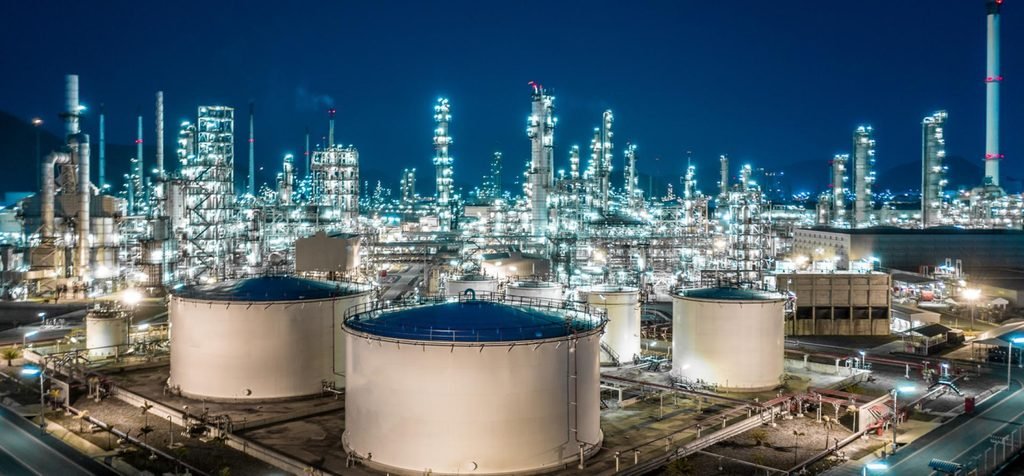
Supply concerns are being reinforced by a decline in US petroleum inventories. Industry data from the American Petroleum Institute indicated that crude stocks fell by 4.9 million barrels in the week ended October 16, while gasoline and distillate inventories also decreased. Official government figures were due later on Wednesday, giving traders another potential catalyst.
Inventory declines can signal that demand is outpacing available supply, although weekly figures are volatile and can be influenced by refinery activity, imports and exports. If government data confirms a broad drawdown, it could strengthen the view that the market has limited room to absorb further disruption.
The condition of refined fuels is particularly important. Crude oil must be processed into products such as gasoline, diesel and jet fuel, and shortages at the refining or distribution stage can keep consumer prices high even when crude supplies continue to move.
That means the impact of the current crisis may not be measured by crude prices alone. Diesel availability, refinery output, shipping rates and regional fuel inventories will all influence how quickly the pressure reaches businesses and households.
Inflation and Interest Rates Back in Focus
Higher oil prices act much like a tax on energy consumers. Households pay more to fuel vehicles and heat homes, while businesses face higher costs for freight, aviation, agriculture, manufacturing and logistics. Companies may absorb some of the increase, but others pass costs on to customers.
The inflation effect can complicate central-bank decisions. If energy prices rise sharply and remain elevated, headline inflation can increase even as underlying price pressures elsewhere in the economy ease. Policymakers may then have less flexibility to reduce interest rates quickly.
For markets, this creates competing forces. Energy producers may benefit from higher prices, while airlines, transport companies, chemical manufacturers and consumer-facing businesses can face margin pressure. Bond yields may also become more sensitive to inflation data if investors believe the oil shock will persist.
The ultimate effect depends on duration. A short-lived spike may have a limited impact on annual inflation, while a prolonged period of expensive oil can influence wages, consumer expectations and business pricing decisions.
Can Alternative Supply Routes Help?
The region has been adapting to the shipping disruption through alternative routes and logistical arrangements. Recent estimates indicate that total Middle Eastern oil flows, including shipments through the Strait of Hormuz and alternative export routes, have recovered to above pre-conflict levels. However, refined-product exports have been slower to recover, leaving some fuel markets tighter than crude-flow figures alone might suggest.
This distinction explains why prices can remain elevated even when total export volumes appear resilient. Alternative pipelines and offshore transfers can help keep crude moving, but they cannot eliminate all the risks associated with tanker attacks, higher insurance costs or delays to refined products.
Diplomacy remains another major variable. Any credible progress toward de-escalation could reduce the risk premium embedded in oil prices. Conversely, further attacks on vessels or energy infrastructure could push prices higher, particularly if inventories continue to decline.
For traders, the immediate question is whether the market is pricing a temporary security shock or a more persistent reduction in reliable supply. Until there is clearer evidence, volatility is likely to remain elevated.
What Investors Should Watch
Three developments will shape the next move in oil prices:
- Shipping security: whether attacks spread further across the Gulf and whether tankers can continue operating without major delays.
- US inventory data: whether official figures confirm the reported decline in crude and refined-fuel stocks.
- Diplomatic progress: whether negotiations reduce the risk of further disruption to Middle Eastern production and exports.
The consequences extend across financial markets. Higher oil can support energy-sector earnings while weighing on transport, consumer spending and inflation-sensitive assets. It can also complicate the outlook for central banks at a time when investors are closely watching the path of interest rates.
Brent near $110 is therefore more than a commodity-market headline. It is a warning that geopolitical risk can quickly become an economic issue — affecting household budgets, corporate margins and the assumptions underpinning financial-market valuations.
Sources
- Reuters — Oil Rises on Middle East Supply Worries
- Reuters via Investing.com — Oil Rises on Middle East Supply Worries
- Reuters via MarketScreener — Oil Rises on Middle East Supply Fears, US Inventory Drawdowns
- The Wall Street Journal — Oil Prices Rise as Hormuz Shipping Risks Persist
- The Wall Street Journal — More Oil Is Now Coming Out of the Persian Gulf Than Before the Iran War