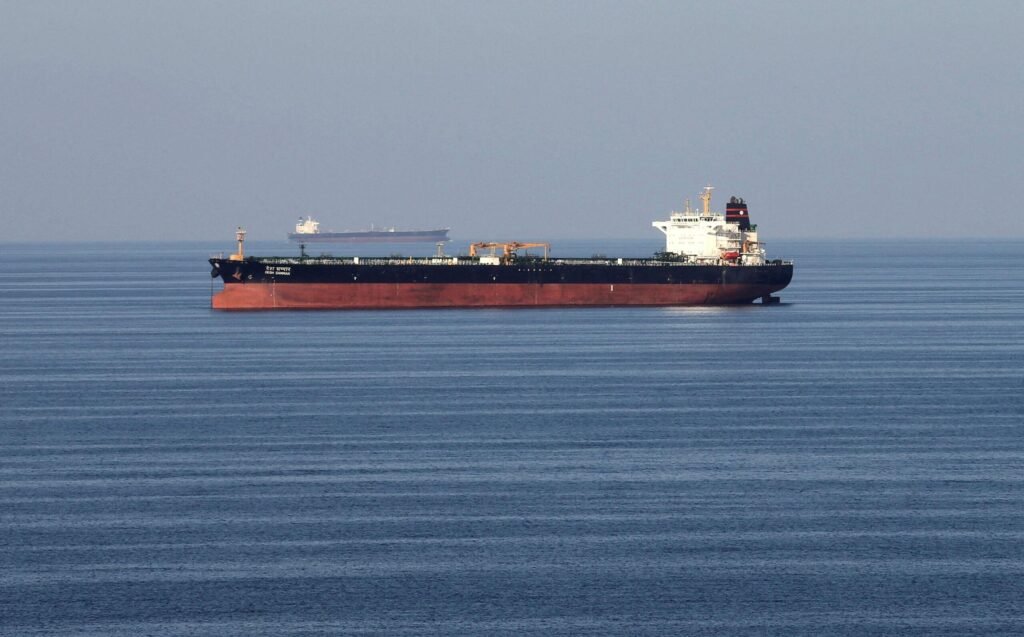
Oil traders, producers and shipping firms are increasingly turning to legal teams as disruptions around the Strait of Hormuz trigger a wave of contract disputes potentially worth billions of dollars. Bloomberg reported that undelivered cargoes, delayed shipments and force majeure claims are now spreading across energy markets after the region’s latest supply shock. (Bloomberg)
The disputes center on a core question: who bears the financial cost when contracted oil cargoes cannot be loaded, shipped or received because one of the world’s most critical maritime chokepoints is impaired. Industry lawyers say cases may involve traders, refiners, tanker owners, insurers and state producers across multiple jurisdictions. (Bloomberg)

The legal fallout adds another layer of strain to markets already dealing with volatile crude prices and supply uncertainty. Brent crude has surged above recent levels during the crisis as investors price in transport risk, delayed flows and tighter prompt supply. Recent reporting showed benchmark oil contracts climbing sharply as Hormuz transit problems continued. (marketwatch.com)
For commodity traders, timing is critical. A missed cargo can affect refinery feedstock, derivatives hedges, freight bookings and downstream fuel commitments. That means even temporary delivery failures can cascade into large secondary losses well beyond the value of the original shipment. (Bloomberg)
Law firms specializing in maritime trade and commodities are expected to see heavy demand as counterparties examine charterparty clauses, sanctions language, insurance terms and force majeure provisions. Market participants say many contracts were not written with a disruption of this scale in mind. (Bloomberg)
The consequences could outlast the physical disruption itself. Even if normal shipping resumes, arbitration and court proceedings may continue for months or years, affecting balance sheets, working capital and future contract pricing across Middle Eastern crude markets. Traders may also demand wider risk premiums for future cargoes transiting the region. (Bloomberg)
For global consumers, such disputes matter because they can keep freight and crude costs elevated, feeding through into fuel prices, inflation expectations and industrial input costs worldwide.
This article is for informational purposes only and does not constitute financial or investment advice.
Sources