Cleveland-Cliffs shares surged approximately 16% after the US steelmaker reported stronger-than-expected third-quarter earnings, with investors also responding to a more optimistic outlook and the potential benefits of domestic trade policy.
The rally put the steel producer in focus as markets assessed whether improving company-specific performance and a more supportive domestic policy environment could strengthen the outlook for US steelmakers.
Earnings Drive Shares Higher
The sharp advance reflected a positive market reaction to Cleveland-Cliffs’ latest earnings performance. Better-than-expected quarterly profit provided investors with a reason to reassess the company’s near-term prospects, while its forward-looking outlook added to the optimism.
For cyclical businesses such as steel producers, earnings can have an outsized impact on share prices. Profitability is closely linked to steel prices, demand from industrial customers, production costs and the broader economic environment. A stronger quarterly result can therefore shift expectations about future earnings and cash generation.
However, a one-day rally does not necessarily establish a lasting change in the company’s fundamentals. Investors will need to assess whether the earnings improvement can be sustained in subsequent quarters.
Trade Policy in Focus
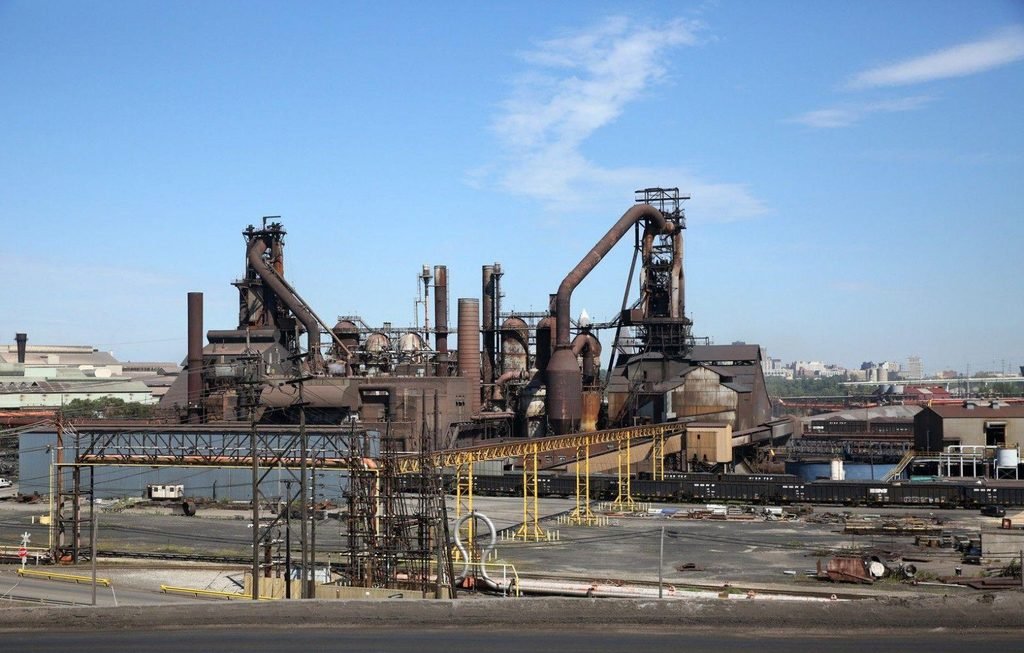
Domestic trade policy was another factor supporting investor sentiment. Measures that make imported steel less competitive can potentially benefit US producers by changing pricing dynamics and the competitive position of domestic suppliers.
For Cleveland-Cliffs, the implications depend on how policy developments translate into realised steel prices, customer demand and production economics. The effects are not automatic: trade measures can also increase costs for downstream manufacturers and influence broader industrial activity.
The key question for investors is whether a more favourable domestic competitive environment can translate into durable improvements in operating performance rather than a temporary boost to market expectations.
A Stronger Outlook
Cleveland-Cliffs reported third-quarter revenue of $5.6 billion and adjusted EBITDA of $612 million, compared with $286 million in the previous quarter. The company also returned to GAAP profitability, recording net income of $165 million.
Management expects fourth-quarter adjusted EBITDA of approximately $715 million, suggesting further improvement despite seasonal pressures and planned maintenance. For 2027, the company projects adjusted EBITDA above $4 billion, supported by newly signed customer contracts and prevailing steel-price forecasts.
The scale of the revised outlook is important because it gives investors a more concrete basis for evaluating the rally. If pricing, shipments and production costs continue to improve, the company could generate stronger operating cash flow and accelerate debt reduction.

What Investors Should Watch
The next phase of the recovery will depend on whether Cleveland-Cliffs can turn improved market conditions into sustained profitability.
Investors should focus on three developments: realised steel prices, the company’s ability to deliver its fourth-quarter earnings target, and progress toward reducing debt. Domestic import levels and the strength of demand from automotive, infrastructure and manufacturing customers will also influence performance.
The projected 2027 earnings improvement is ambitious, making execution especially important. Any reversal in steel prices, weaker industrial demand or higher input costs could undermine expectations.
The Bigger Market Signal
Cleveland-Cliffs’ rally offers a snapshot of how quickly sentiment can change in a cyclical industry when earnings improve and the outlook strengthens. It may also draw attention to other US steelmakers, although company-specific results and cost structures mean the gains cannot automatically be extrapolated across the sector.
For investors, the central question is whether the latest results mark the beginning of a sustained earnings recovery or reflect favourable conditions that may prove temporary. The coming quarters should provide a clearer answer.