OpenAI ChatGPT continues to rank among the most widely used artificial intelligence tools in 2026, as businesses, students, developers, and professionals increasingly rely on generative AI for writing, coding, research, automation, and decision support.
The platform helped define the consumer AI market after mainstream adoption accelerated in recent years. Today, ChatGPT is used for tasks ranging from content creation and software development to data analysis and multilingual communication.
Why ChatGPT Leads the Market
Its broad adoption is tied to several advantages:
- natural conversational interface
- strong writing and summarization capabilities
- coding assistance
- image generation features
- document analysis tools
- growing enterprise integrations
For companies, ChatGPT can reduce repetitive workload and improve productivity across marketing, operations, customer support, and internal research.
Business Use Cases Expanding
Many firms now deploy ChatGPT for:
- drafting reports
- automating customer replies
- creating marketing copy
- internal knowledge search
- spreadsheet and data support
- brainstorming strategy ideas
This has increased pressure on legacy software vendors to integrate AI across their own products.

6
Risks and Competition
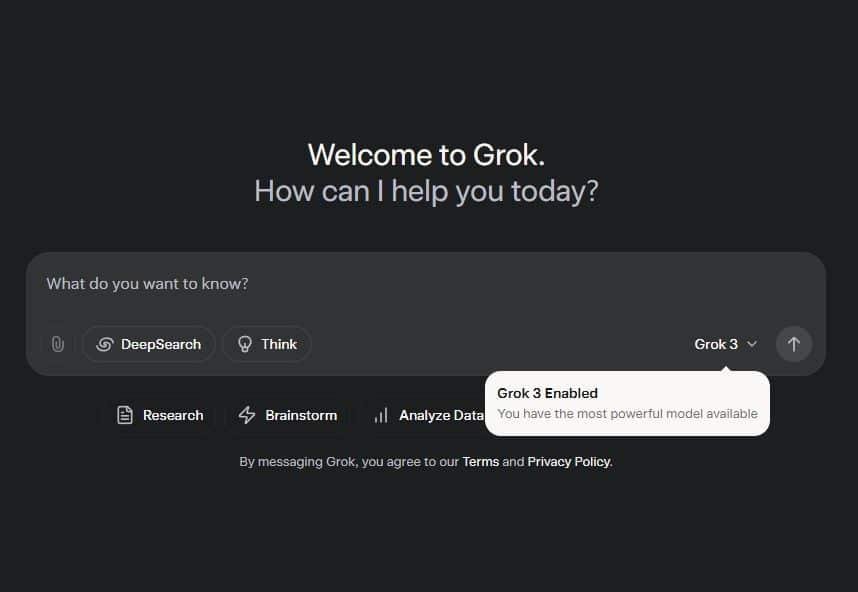
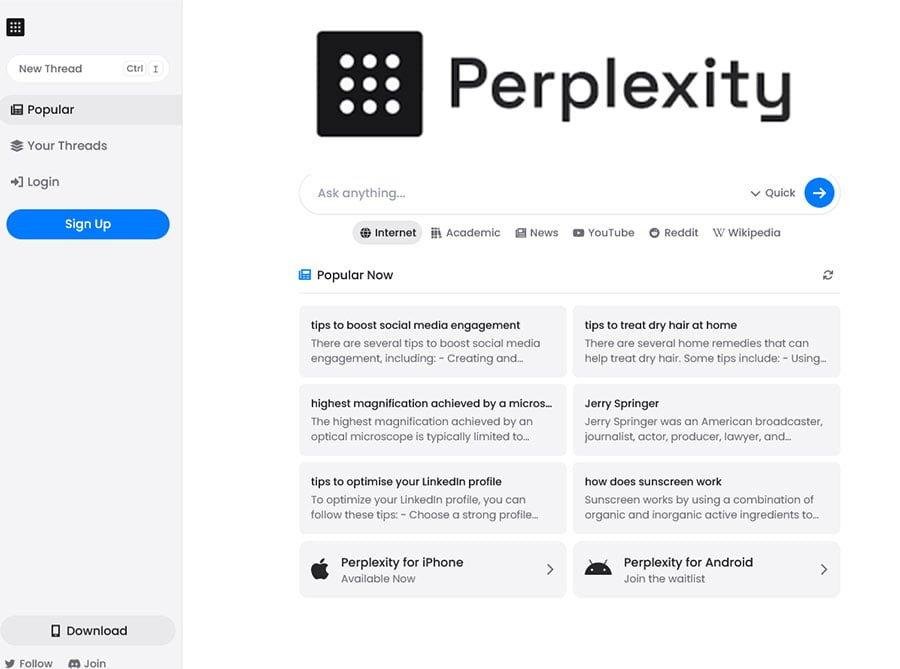
Despite strong momentum, competition is intensifying from Google Gemini, Anthropic Claude, and Microsoft Copilot. Key concerns also include privacy, hallucinations, copyright disputes, and dependence on AI-generated outputs.
Europe and Slovenia Perspective
For Slovenian businesses, ChatGPT offers lower-cost access to tools previously reserved for large corporations. SMEs can use it for exports, translation, customer support, and faster digital transformation.
Under European rules, companies should still ensure GDPR compliance and responsible use of sensitive data.
Bottom Line
ChatGPT remains one of the defining AI platforms of 2026. While competition is growing rapidly, the tool continues to lead in mainstream adoption and enterprise relevance as AI becomes embedded into daily work.