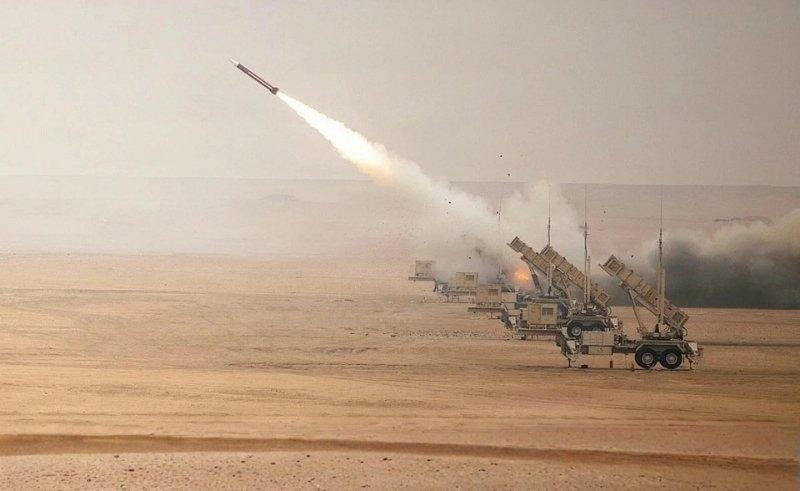
Saudi Arabia intercepted additional ballistic missiles launched by Yemen’s Houthi movement, intensifying pressure on the kingdom as a widening conflict threatens civilian infrastructure, aviation and investor confidence.
The latest attacks targeted Riyadh and Khamis Mushait late Monday, according to the Saudi-led coalition fighting the Houthis. The interceptions followed repeated strikes on King Khalid International Airport in Riyadh, where recent attacks caused fatalities and hundreds of injuries, according to international media reports.
Airport Disruption Raises Economic Risks
The attacks have disrupted operations at Riyadh’s main international airport, creating uncertainty for airlines, passengers and businesses. Saudi authorities have faced growing scrutiny over the effectiveness of air defences after missiles reached civilian infrastructure.
The disruption comes at a sensitive moment for Crown Prince Mohammed bin Salman’s economic transformation programme, Vision 2030, which aims to expand tourism, attract foreign investment and establish the kingdom as a global business and financial centre.
Prolonged insecurity could complicate those ambitions by increasing operational risks for international companies, event organisers and investors.
Conflict Threatens Regional Stability
The confrontation is part of a broader regional conflict involving Iran, the United States and their respective allies. Saudi Arabia has renewed military operations in Yemen as Houthi forces continue targeting infrastructure across the kingdom.
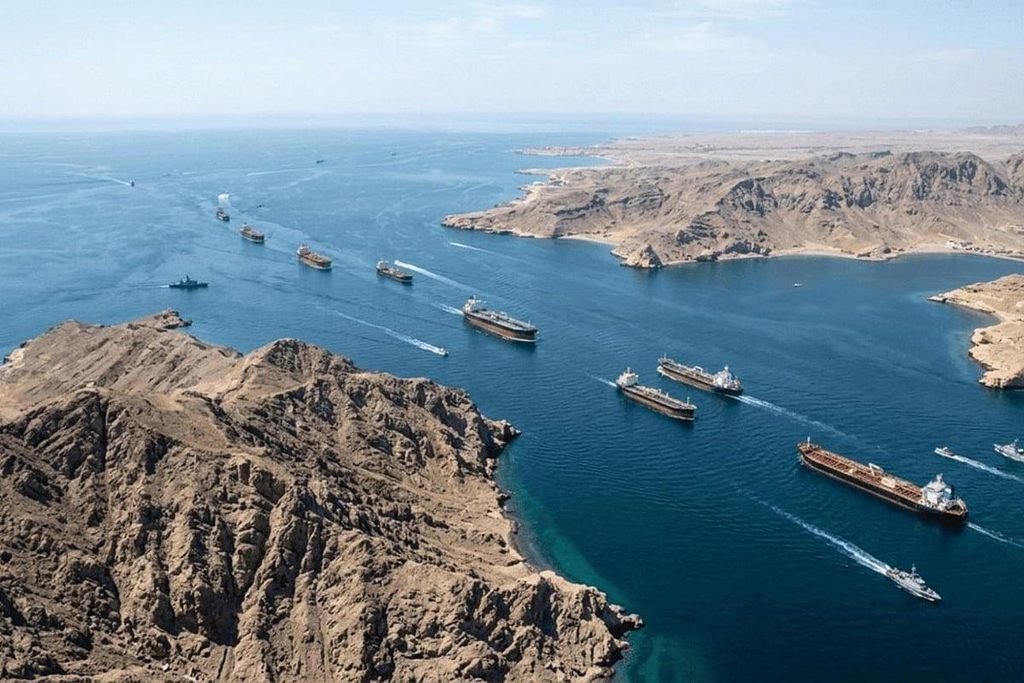
The strategic stakes extend beyond Saudi territory. The Bab el-Mandeb Strait, connecting the Red Sea with the Gulf of Aden, is a critical shipping corridor for global trade. Further escalation could increase insurance premiums, disrupt maritime traffic and add pressure to supply chains.
Oil and Investment in Focus
Markets are also assessing the potential economic consequences. Saudi Arabia remains a major global oil exporter, and sustained disruption to regional infrastructure or shipping routes could affect energy prices and transport costs.
However, military escalation does not automatically translate into higher oil prices. The market impact will depend on whether production, exports or key shipping routes experience sustained disruption.
For international investors, the immediate priorities are developments in regional security, the duration of aviation restrictions and any signs that the conflict is spreading to additional energy or transport infrastructure.
SOURCES
- Bloomberg — Saudi Arabia Intercepts New Houthi Attacks as Conflict Drags On — October 13, 2026. Primary article.
- Reuters — Saudi Arabia Faces New Missile and Drone Fire After Major Attacks on Airports — October 12, 2026. Airport disruption and regional security.
- Associated Press — Houthi Rebels Say Airstrikes Targeted Them in Yemen, and Other Middle East Developments — October 13, 2026. Latest developments in Yemen.
- Reuters — Saudi Stocks Set to End Slide as Most Gulf Bourses Edge Higher — October 13, 2026. Regional market reaction.