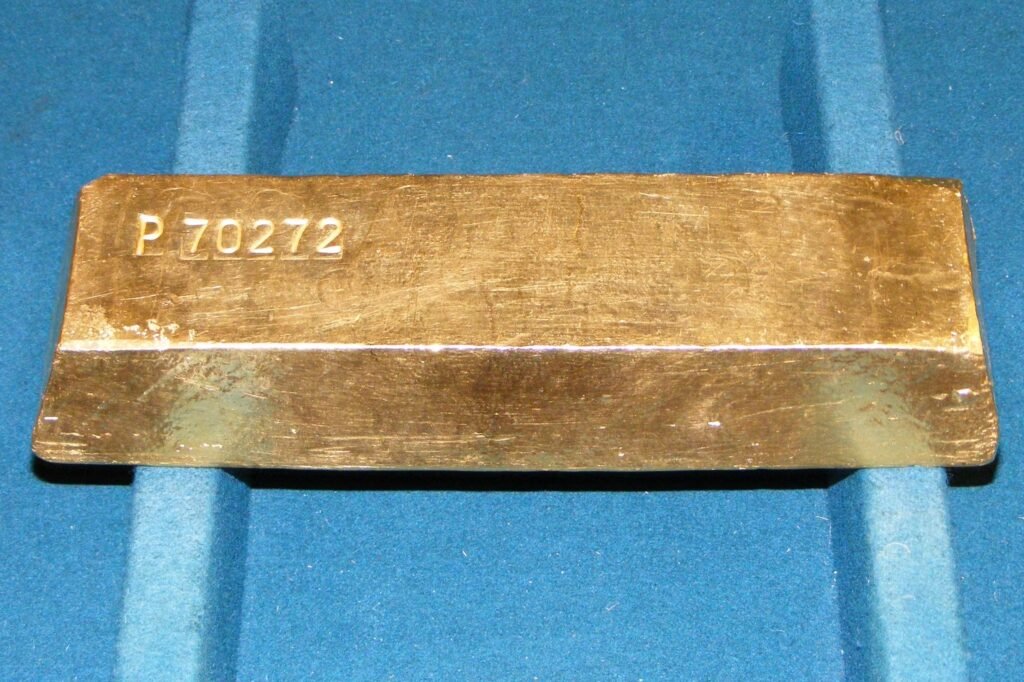
Gold struggled to sustain its early gains on Monday as a stronger US dollar and elevated Treasury yields offset safe-haven demand ahead of key US inflation data.
Spot gold slipped around 0.5% after briefly reaching its highest level since October 2, trading near $4,170 an ounce during the European session. US gold futures also declined as investors reduced risk ahead of Wednesday’s consumer price index report, which could influence expectations for the Federal Reserve’s next interest-rate decision.
The US dollar remained close to an 18-month high, supported by geopolitical uncertainty, rising energy costs and expectations that monetary policy may remain restrictive for longer. The benchmark 10-year Treasury yield stayed above 5%, increasing the opportunity cost of holding gold, which does not generate interest income.
The market faces conflicting forces. Escalating tensions in the Middle East have supported demand for traditional safe-haven assets, while higher oil prices threaten to prolong inflation and delay monetary easing. Those same inflation concerns have strengthened the dollar and pushed borrowing costs higher, creating a headwind for bullion.
Investors are now focused on the US inflation report, followed by producer prices and retail sales data later in the week. Stronger-than-expected inflation could reinforce expectations for tighter monetary policy, putting further pressure on gold. Softer figures could ease concerns about interest rates and give the metal room to recover.
Gold recently rebounded from a two-month low near $4,067 an ounce, with bargain buying helping prices recover toward the $4,200 level. However, the latest retreat suggests that the recovery remains vulnerable while the dollar and bond yields stay elevated.
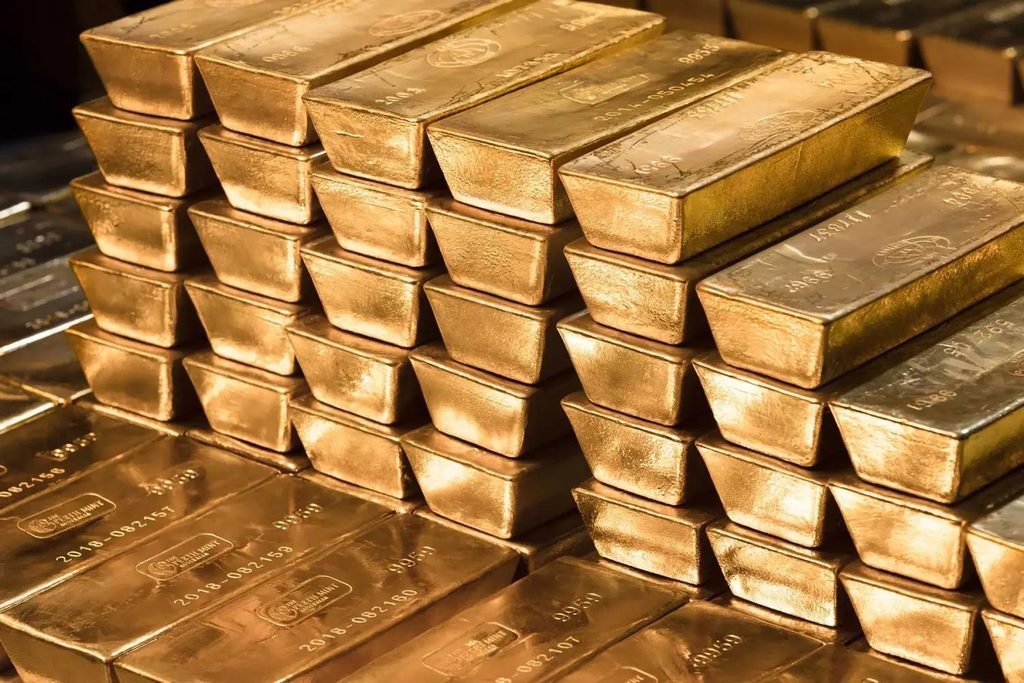
Why It Matters
Gold is caught between its traditional role as a safe-haven asset and the financial pressure created by higher interest rates. Geopolitical risk can increase demand for bullion, but when investors can earn attractive yields on government bonds, the incentive to hold non-yielding gold weakens.
The next direction may depend less on geopolitical headlines alone and more on whether inflation data changes expectations for Federal Reserve policy. A sustained decline in yields and the dollar could support a broader recovery, while renewed increases could keep gold under pressure.
For investors, the key distinction is between a short-term rebound and a durable change in market conditions. Gold’s ability to hold above recent lows will remain important, but the inflation outlook and the trajectory of real yields are likely to shape its next major move.
Sources
- Kitco News — Gold prices struggle to hold early gains as US dollar nears an 18-month high and bond yields remain elevated, October 12, 2026.
- Reuters — Gold slips from one-week high as firm US dollar weighs, October 12, 2026.
- Reuters — Dollar hovers near 18-month high as Gulf unrest and US inflation keep investors on edge, October 12, 2026.
- Kitco News — Gold price holds critical $4,100 support, but can it break $4,200 as inflation risks loom?, October 9, 2026.