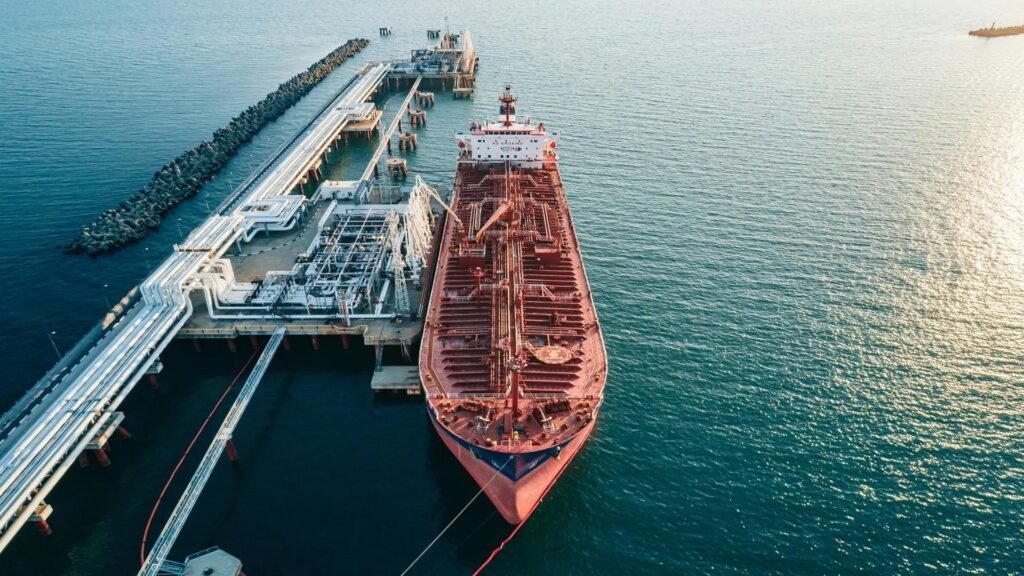
Oil prices climbed as renewed attacks in the Middle East heightened concerns about energy supplies, while the US dollar remained near an 18-month high as investors assessed geopolitical risks and awaited key US inflation data.
Brent crude traded above $105 a barrel during Monday’s trading, while US West Texas Intermediate also advanced. The moves reflected renewed concern over attacks on Saudi Arabia and commercial tankers, alongside uncertainty over the potential impact on regional energy exports.
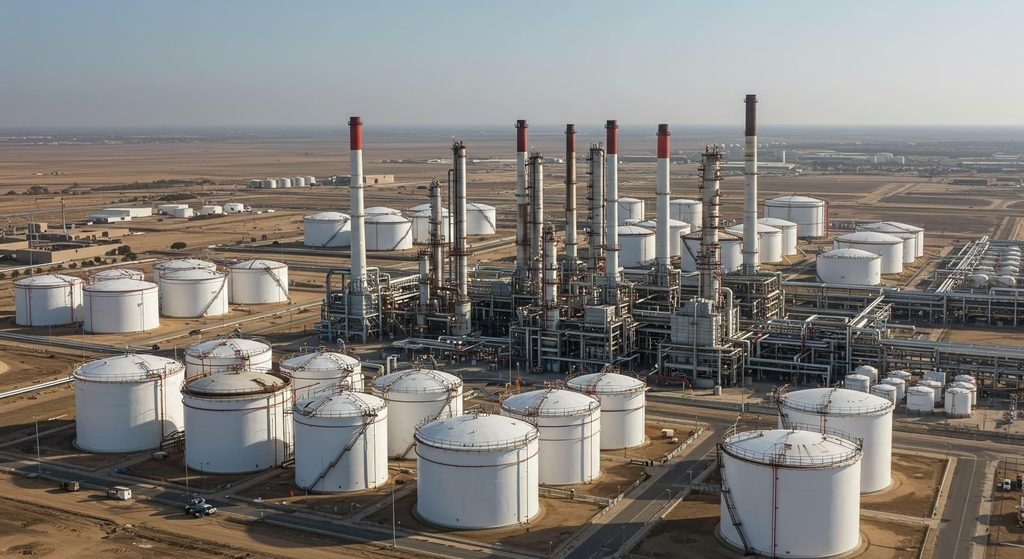
Supply fears outweigh relief
The market faces competing forces. Attacks on Saudi Arabia and tankers near the Strait of Hormuz have increased concerns about the security of oil shipments. At the same time, US announcements about additional Russian diesel supplies have introduced the possibility of some relief in fuel markets.
The distinction matters: additional diesel supplies may help ease pressure on refined products, but they do not necessarily offset risks to crude oil production, transport or exports. Traders will be watching whether shipping disruptions persist and whether the conflict expands further.
Dollar stays firm
The US dollar remained close to its strongest level in 18 months as investors sought relative safety amid geopolitical uncertainty. Attention is also turning to US consumer inflation data due Wednesday, which could influence expectations for Federal Reserve interest-rate policy.
Higher oil prices can complicate the inflation outlook by increasing fuel, transport and production costs. If those pressures persist, they could limit the central bank’s flexibility to reduce interest rates.
For European investors, the combination of expensive energy and a firm dollar is particularly relevant. Oil is priced internationally in dollars, so a stronger US currency can add to costs for euro-based buyers even when crude prices remain unchanged.
Markets await confirmation
The next move will depend on whether geopolitical risks translate into lasting supply losses. A sustained disruption could keep oil prices elevated and reinforce inflation concerns. A reduction in attacks or a reliable improvement in shipping flows could instead unwind part of the risk premium.
For now, investors face a market driven by both physical energy supply and uncertainty over monetary policy. The key signals are developments around the Strait of Hormuz, actual export flows, the dollar’s direction and Wednesday’s US inflation report.
The takeaway: oil remains sensitive to escalation, while the dollar reflects demand for safety and expectations for US interest rates. Neither trend is guaranteed to persist; confirmation from supply data and inflation figures will be critical.
Sources
- Bloomberg — Oil Rises on Mideast Attacks, Dollar Edges Higher: Markets Wrap — Original reference article, October 11, 2026.
- Reuters — Oil Prices Rise as Attacks on Saudi Arabia Overshadow Russian Supply Announcements — Oil-price movements and energy-supply risks.
- Reuters — Dollar Firm Near 18-Month Highs as Gulf Unrest and US Inflation Keep Investors on Edge — Currency markets and the inflation outlook.
- Associated Press — US Futures Mixed as Brent Crude Tops $105 — Independent market coverage and energy developments.