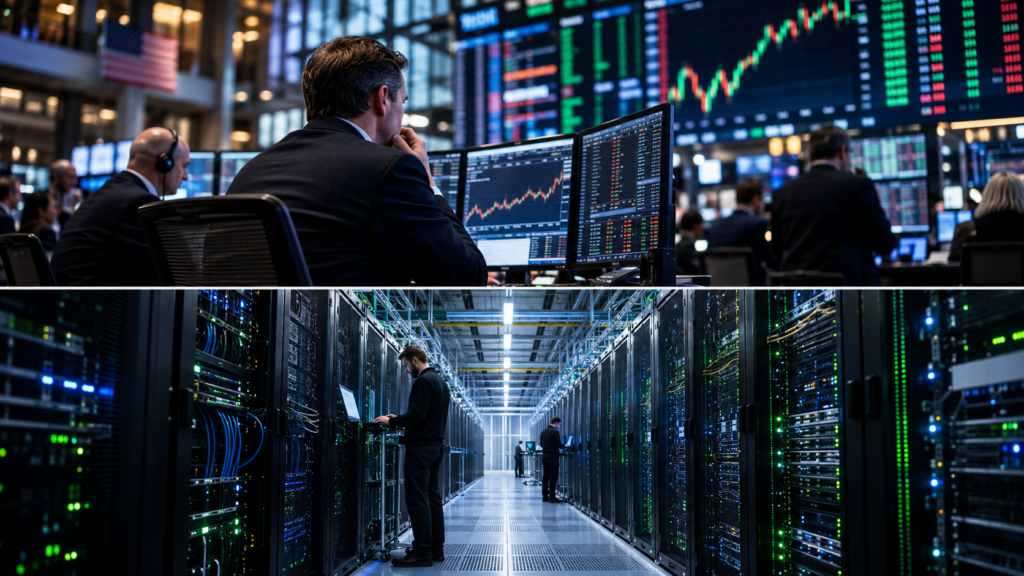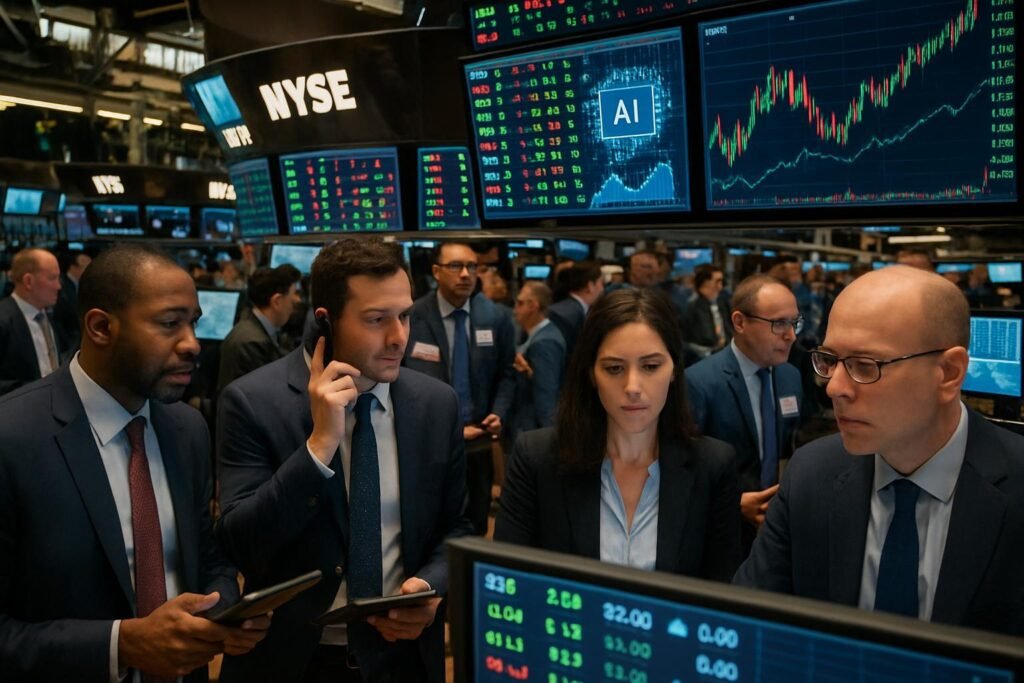
Artificial intelligence is increasingly reshaping how investors analyze markets, build portfolios and manage risk. What began as a niche tool for quantitative hedge funds is now spreading across wealth management platforms, trading desks and retail investing apps as firms race to gain faster insights from growing volumes of market data. (Investopedia)
The appeal is straightforward: AI systems can process financial statements, earnings calls, macroeconomic releases, price trends and news sentiment at speeds far beyond manual analysis. Supporters say that can improve decision-making, reduce emotional bias and uncover opportunities traditional methods may miss.

Stock Selection Gets Smarter
One of the fastest-growing applications is stock screening and company analysis. AI models can review valuation metrics such as price-to-earnings ratios, debt levels, revenue growth and margins while simultaneously tracking momentum indicators and breaking news.
This multi-layered approach allows investors to compare companies through both fundamental and technical lenses. During volatile periods, AI tools may shift weighting toward price action and sentiment, while calmer markets may favor long-term earnings quality and balance sheet strength. (Investopedia)
Reading Market Sentiment in Real Time
Investor psychology often moves markets before official data catches up. AI systems are increasingly used to scan headlines, analyst notes, earnings call transcripts and social media commentary to measure confidence or concern.
More advanced tools attempt to detect subtle signals such as hesitation in executive commentary or changes in tone versus previous quarters. For portfolio managers, that can offer earlier clues about weakening demand, rising risk or improving momentum. (Investopedia)

Portfolio Management and Rebalancing
Artificial intelligence is also entering portfolio construction. Algorithms can assess diversification, volatility, correlations and risk tolerance to suggest allocations tailored to specific investor goals.
Once a portfolio is live, AI systems may monitor market changes and recommend rebalancing when allocations drift too far from target levels. This is especially relevant for robo-advisors and automated wealth platforms serving retail clients. (Investopedia)
Still, performance results remain mixed. While AI can analyze huge datasets, it does not guarantee outperformance versus low-cost index investing. Many professionals view the technology as a decision-support tool rather than a shortcut to market-beating returns. (Investopedia)
Personalized Advice Expands
Another emerging trend is hyper-personalized investing guidance. AI can tailor model portfolios, tax strategies and risk recommendations based on age, income, time horizon and user behavior.
That could lower advisory costs and widen access to planning tools once reserved for wealthier households. However, regulators continue to watch how automated advice is marketed and whether users fully understand risks.

Risks Investors Should Watch
Despite the optimism, AI in finance comes with clear risks. Models can overfit past data, fail during unprecedented events or amplify herd behavior if many firms rely on similar signals. Researchers have also raised concerns that autonomous trading systems could learn harmful patterns that reduce competition or raise transaction costs. (Investopedia)
Human oversight, strong risk controls and transparency remain critical—especially in markets where trust and liquidity depend on stable behavior.
Outlook
Artificial intelligence is unlikely to replace investing fundamentals such as diversification, discipline and long-term thinking. But it is rapidly changing how research is conducted and portfolios are managed.
For institutions, AI may become a core competitive advantage. For individuals, it could mean cheaper tools, faster insights and more personalized investing support—provided expectations remain realistic.
Sources
- Investopedia – 7 Ways AI Can Revolutionize Investment Strategy
- Investopedia – AI Trading Bots and Investment Costs
- Investopedia – How AI Trading Systems Will Change Investing
- Wall Street Journal – Inside BlackRock’s AI Transformation