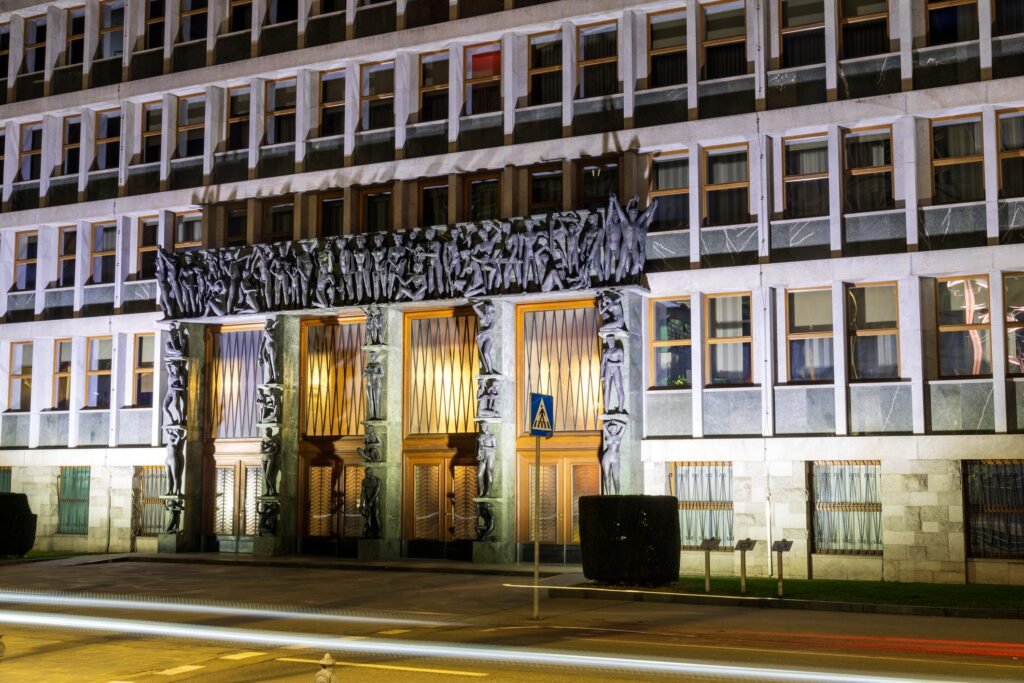
Political negotiations in Slovenia are set to intensify next week as parliamentary groups prepare talks on establishing the first working committees of the new National Assembly.
The move is an important step toward making parliament fully operational after the recent election and formation of the new legislative term.
Committee Talks Expected Next Week
According to reports citing the Slovenian Press Agency, leaders of parliamentary groups are expected to meet next week to discuss the creation of the first committees in the National Assembly of Slovenia.
These committees are essential because they review legislation, debate proposals, and prepare laws before they reach full parliamentary votes.
Without functioning committees, the legislative process remains limited.
Why These First Committees Matter
Typically, the first committees formed include areas considered critical for state operations, such as:
- Foreign affairs
- European Union matters
- General administrative and procedural issues
These bodies often begin work quickly so lawmakers can start reviewing urgent legislation and policy proposals.
New Parliament Still Taking Shape
Slovenia’s new parliamentary term was recently constituted following the March 2026 elections, which resulted in a fragmented chamber and no immediate clear majority.
That means negotiations over leadership posts, committee chairmanships, and future coalition building remain highly important.
Committee formation can also signal which parties are gaining influence in the early phase of the new mandate.
Added Political Analysis
For investors and business observers, stable parliamentary operations matter because they affect:
- Budget approvals
- Tax legislation
- Business reforms
- Energy and infrastructure policy
- EU funding implementation
Markets often prefer functioning institutions and predictable decision-making.
As a eurozone member, Slovenia’s domestic political stability can also influence confidence among regional investors.
What Happens Next
Attention now turns to next week’s talks between party leaders.
Key questions include:
- Which parties will lead major committees
- Whether coalition negotiations accelerate
- How quickly parliament can process new laws
- Whether political tensions slow decision-making
If agreements are reached smoothly, Slovenia’s new parliament could begin substantive legislative work soon after.
Sources
- STA summary via Lokalec: https://www.lokalec.si/prihodnji-teden-pogovori-poslanskih-skupin-o-ustanoviti-prvih-odborov-dz/
- Background on 2026 Slovenian parliamentary election: https://en.wikipedia.org/wiki/2026_Slovenian_parliamentary_election