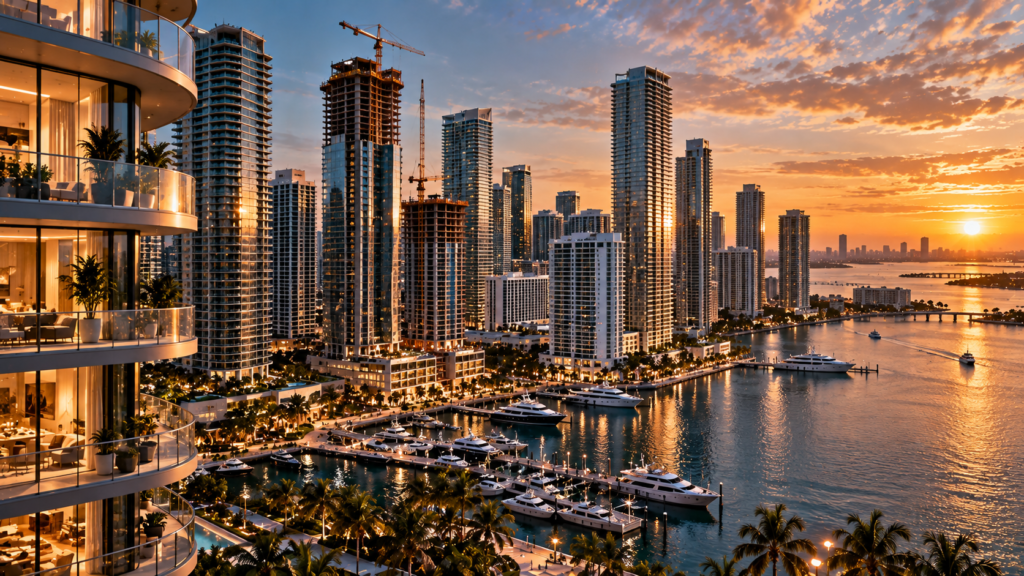
Short description: International investors, luxury-branded residences and large-scale financing continue to shape Miami’s premium property market. From a $139 million development-site transaction to hundreds of millions of dollars in condominium sales and construction loans, recent deals highlight how global capital is helping redefine South Florida’s real-estate landscape.
◉ International capital remains active: A fund backed by Japanese investors acquired a Miami Worldcenter development site in a transaction valued at approximately $138.7 million.
◉ Branded residences attract buyers: The Residences at Mandarin Oriental, Miami, has reported approximately $800 million in sales for a Brickell-focused development milestone, while the broader project has reported more than $1.7 billion in combined sales across its two towers.
◉ Financing supports large projects: Major construction loans and high-value waterfront transactions illustrate the scale of capital committed to Miami’s luxury property sector, although financing announcements and completed sales represent different stages of market activity.
Miami’s Luxury Market Draws Global Capital
Miami has evolved into an international destination for luxury residential development, attracting overseas investors, institutional lenders and wealthy property buyers. The latest developments span downtown Miami, Brickell and exclusive waterfront communities, revealing a market shaped by international capital and premium real-estate branding.
The transactions are not identical in nature. Some involve land purchases, others reflect presales of residences, while construction loans provide financing for projects that may take years to complete. Together, however, they illustrate the financial infrastructure behind Miami’s expanding luxury skyline.
The distinction matters because announced sales, signed contracts, completed transactions and available financing measure different aspects of market activity. Strong presales can support a project’s financing, but they do not by themselves establish its eventual profitability or the future value of completed units.
Japanese Investors Enter Miami Worldcenter
A development site within Miami Worldcenter changed hands for approximately $138.7 million in a transaction involving Japanese investment interests. The 61,400-square-foot parcel at 155 Northeast 10th Street is approved for hotel and residential development.
Tokyo-based Kasumigaseki Capital originally acquired the site for approximately $88.8 million in March 2026 before transferring it to a fund backed by Japanese investors later that year. The transaction highlights the international reach of Miami’s property market and the willingness of overseas capital to pursue large development opportunities.
The site sits within Miami Worldcenter, a major mixed-use development combining residential towers, retail, hospitality and public spaces. Its location offers exposure to downtown activity while providing a platform for additional hotel and residential development.
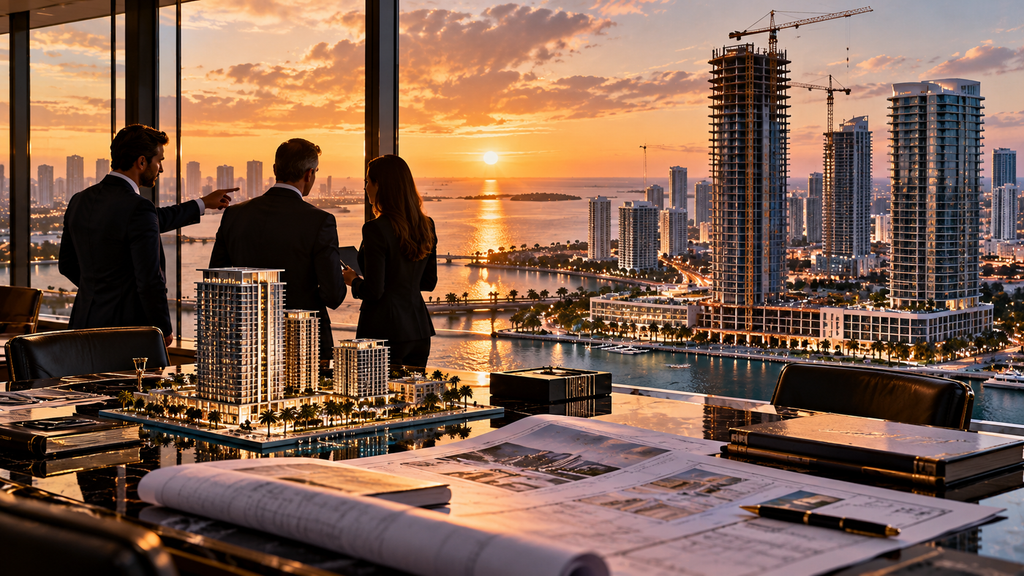
Branded Residences Build Global Appeal
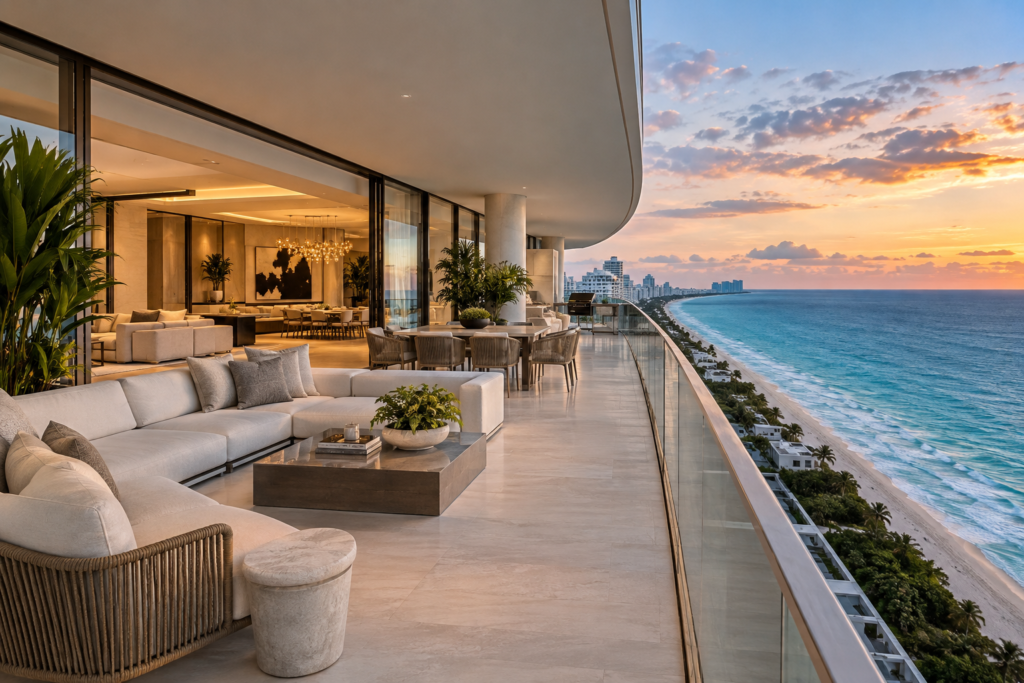
Luxury hospitality brands have become an important part of Miami’s residential development model. Buyers are purchasing not only property, but also access to a branded lifestyle, premium amenities, hospitality services and a recognised international identity.
The Residences at Mandarin Oriental, Miami, developed by Swire Properties, illustrates the scale of this strategy. The project has reported more than $1.7 billion in combined sales across its two towers, with a reported $800 million milestone also highlighted in the development’s sales updates.
The project’s appeal reflects several factors: its Brickell Key waterfront location, the international recognition of the Mandarin Oriental name and the scarcity of comparable luxury properties. Construction officially began in October 2026, with completion planned for 2030.
Presales provide developers with an indication of buyer demand before delivery. However, the time between reservation, binding contract, construction and closing remains important when assessing the financial strength of a development.
Financing Keeps Large Projects Moving
Access to construction capital is another defining feature of Miami’s luxury market. Related Group and Integra Investments secured a $527 million construction loan for St. Regis Residences in South Brickell in September 2024. Although the transaction continues to appear in recent archive listings, the original financing announcement dates to 2024 rather than October 2026.
The development was planned as a 50-story residential tower with 152 condominiums. The loan demonstrates the scale of financing required for high-end projects and the role of institutional lenders in supporting large developments.
For investors, the cost of capital remains a key variable. Interest rates, construction expenses, sales velocity and the timing of buyer payments can all affect project economics. A large loan indicates financing capacity, but it is not a guarantee of successful completion or investment returns.
Waterfront Property Remains Scarce
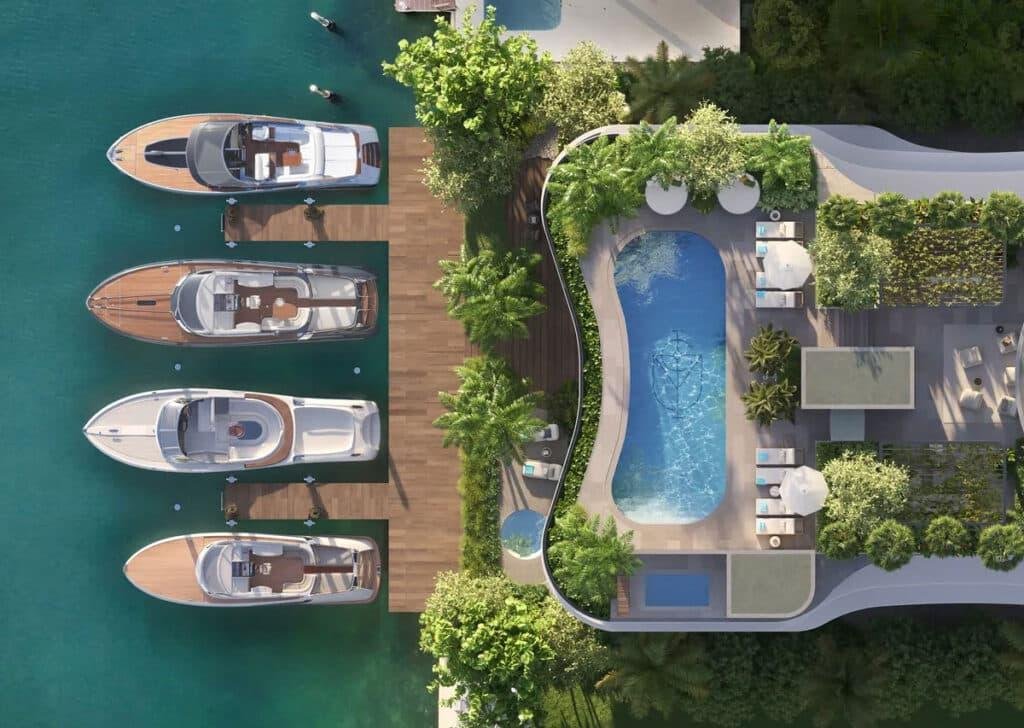
At the ultra-prime end of the market, location and land scarcity continue to command substantial prices. A waterfront parcel at 93 Palm Avenue on Miami Beach’s Palm Island, associated with the former estate of Al Capone, sold for $21 million in 2026.
The vacant property offers approximately 100 feet of frontage on Biscayne Bay. Its value reflects not only its historical association, but also the limited availability of waterfront land in an established luxury neighbourhood.
Such transactions differ from condominium presales and development-site acquisitions. A waterfront land purchase may offer redevelopment potential, but the final economics depend on planning approvals, construction costs, design requirements and the intended use of the property.
What the Deals Reveal
Miami’s luxury property market is supported by several overlapping sources of demand: international investors, affluent domestic buyers, branded-residence customers and developers seeking opportunities in prime locations.
The market’s headline figures nevertheless require careful interpretation. Sales volumes do not automatically translate into completed closings, loans represent obligations rather than profits, and a land transaction does not guarantee that a proposed project will proceed as planned.
The next phase will depend on whether buyer demand can sustain premium pricing as projects move from presales into construction and delivery. Financing conditions, construction costs, the availability of competing luxury inventory and the broader economic outlook will influence that process.
For global real-estate investors, Miami remains a market where international capital and premium residential branding are shaping development. Its long-term performance, however, will depend on execution and the durability of demand—not just the size of individual deals.
Sources
- BRG International — Miami Luxury Real Estate News Archive
- BRG International — Japanese Investors Buy Miami Worldcenter Hotel Development Site for $139M
- South Florida Business Journal — Japanese Company Inks $139M Deal for Miami Worldcenter Property
- Mandarin Oriental — Miami Project Groundbreaking and Residential Sales
- BRG International — Related Group and Integra Investments Secure $527 Million Loan for St. Regis Miami Condos
- BRG International — Former Al Capone Estate on Palm Island Sells for $21 Million
- Denarni Fokus — Editorial Disclosure & Transparency