US stock futures edged higher on Monday as falling oil prices offered some relief to investors ahead of a decisive week for corporate earnings, monetary policy and the artificial intelligence trade. The early gains suggest an attempt to stabilise following recent losses, but uncertainty surrounding inflation, geopolitical tensions and AI investment returns continues to complicate the outlook.
◉ Futures signal a modest recovery: Dow futures rose approximately 0.4%, while S&P 500 and Nasdaq futures indicated smaller gains in early premarket trading.
◉ Oil prices ease inflation pressure: Crude prices retreated from recent highs amid diplomatic efforts to reduce Middle East tensions, providing some relief to equity markets.
◉ Big Tech earnings could reshape sentiment: Results from Alphabet, Microsoft and Amazon will test whether substantial AI infrastructure spending is translating into revenue growth, margins and cash flow.
A Cautious Start To Trading
Wall Street entered Monday’s session attempting to recover from a difficult week for US equities. Futures linked to the three major indexes moved higher before the opening bell, but the advance remained relatively modest.
Early reports placed Dow futures approximately 0.4% higher, with S&P 500 futures up around 0.2% to 0.3%. Nasdaq futures also pointed to a slightly positive start, although individual reports showed some variation in the size of the gains.
These figures represent premarket indications rather than confirmed opening prices. Futures can change significantly before the regular trading session begins, particularly when investors are responding to geopolitical headlines or new corporate announcements.
The wider backdrop remains fragile. Recent weakness in technology shares has raised questions about the sustainability of the market rally, particularly as companies increase their spending on computing infrastructure and investors demand clearer evidence of financial returns.
Monday’s early advance therefore represents a potential stabilisation rather than confirmation that the recent correction has ended.

Oil Prices Offer Some Relief
Energy markets are providing an important signal for the opening session.
Crude prices retreated after reaching elevated levels during the previous week, as diplomatic efforts aimed at reducing Middle East tensions raised hopes of easing supply concerns.
Lower oil prices can support equities through several channels. They may reduce transport and manufacturing costs, ease pressure on household budgets and moderate some inflation risks facing central banks.
However, the relationship is not straightforward. A decline in crude prices driven by weaker global demand could also signal deteriorating economic conditions. Investors must therefore distinguish between improving supply expectations and a potential slowdown in consumption.
Geopolitical uncertainty remains a major source of volatility. Any renewed disruption to energy infrastructure or shipping routes could reverse the recent decline in oil prices and put pressure on equity valuations.
For Monday’s session, the energy market’s direction is an important factor, but it is unlikely to determine the entire trading narrative.
The AI Profitability Test
The technology sector faces a more fundamental challenge: demonstrating that the enormous cost of expanding artificial intelligence infrastructure can generate sustainable financial returns.
Major technology companies have committed substantial capital to data centres, advanced processors, cloud platforms and related infrastructure. Investors increasingly want evidence that this spending will translate into higher revenue, stronger margins and improved cash generation.
This week’s earnings reports from Alphabet, Microsoft and Amazon will provide important information about cloud demand, AI-related expenditure and management expectations for future growth.
The recent reaction to Meta’s results illustrates the sensitivity of the market to rising investment requirements. Even when demand for AI products remains strong, investors may become cautious if expenditure increases faster than expected revenue or if companies need additional financing.
The issue extends beyond the largest technology companies. Specialist AI infrastructure providers also face questions about borrowing costs, equipment expenses and the time required to generate sufficient returns on new capacity.
A strong earnings season could help restore confidence. Disappointing guidance or further increases in spending could intensify concerns about valuations and financing risks.
Key Catalysts This Week
The coming days contain several events capable of shifting market expectations.
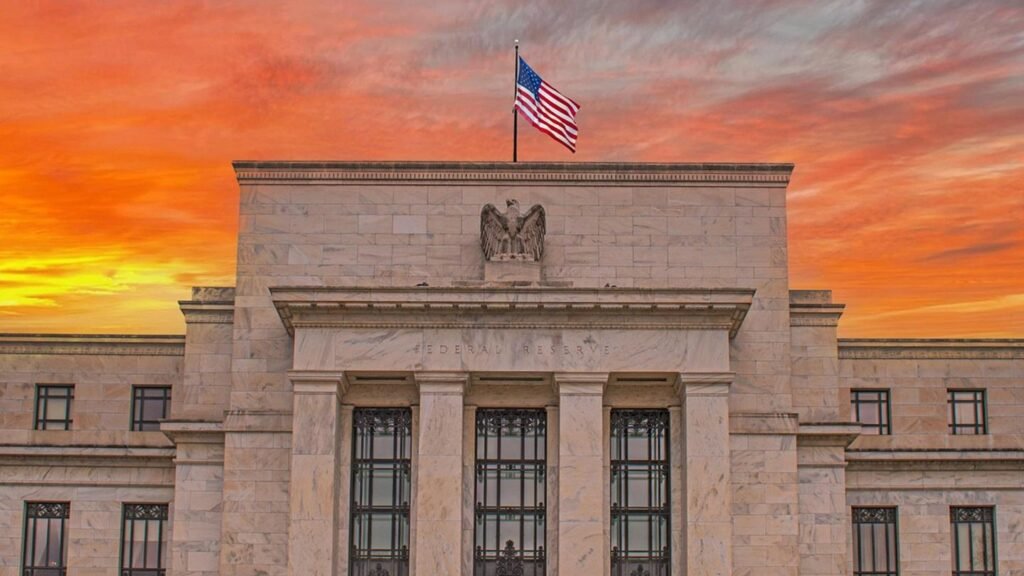
The Federal Reserve’s interest-rate decision on Wednesday is a central focus. Markets broadly expect policymakers to leave rates unchanged at the October meeting, making the accompanying statement and comments on the inflation outlook particularly important.
Thursday brings two additional tests: the advance estimate of third-quarter US economic growth and the September Personal Consumption Expenditures inflation report, a key measure followed by the Federal Reserve.
Corporate earnings will arrive alongside these economic releases, creating the potential for competing market signals. Strong company results could support equities, while persistent inflation or unexpectedly firm economic data could reinforce expectations that interest rates will remain elevated for longer.
The timing matters. Alphabet and Microsoft are scheduled to report quarterly results on Wednesday, while Amazon is expected to report on Thursday. Their announcements will coincide with an unusually concentrated period of macroeconomic and corporate information.
Investors will also monitor developments in the Middle East and their potential impact on crude prices.
What The Opening Signal Means
Monday’s premarket direction suggests that investors are willing to reassess risk following recent losses, but the strength of the recovery remains uncertain.
A sustained advance would require more than lower oil prices and modestly positive futures. Evidence of resilient corporate earnings, credible returns on AI investment and a manageable inflation outlook would provide a broader foundation for improving sentiment.
Conversely, renewed energy-price pressure, disappointing technology guidance or a more restrictive outlook from the Federal Reserve could undermine the recovery.
The distinction between an initial bounce and a durable market improvement is especially important after a period of heightened volatility.
For now, Wall Street faces a week in which corporate profitability, financing conditions and monetary policy will be tested simultaneously. The opening direction provides an early indication of sentiment, but the more consequential signals are likely to emerge as earnings and economic data arrive.