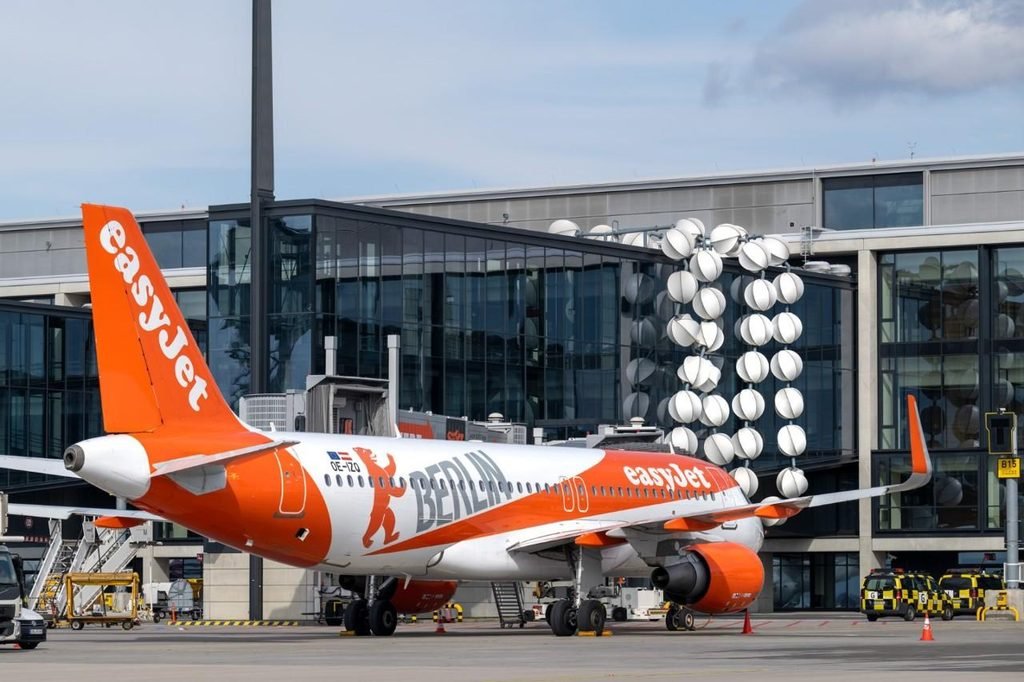
Shares in British low-cost airline easyJet moved higher on Thursday as investors assessed progress toward a proposed £5.7 billion takeover by US investment firm Apollo Global Management.
The airline’s shares rose approximately 1.1% to 683.8 pence in morning trading, outperforming the broader FTSE 100, which gained around 0.2%. The advance followed the publication of a transaction document setting out the next steps toward a shareholder vote in November.
The proposed transaction is expected to be completed by the end of the first quarter of 2027, subject to shareholder approval, regulatory clearances and other closing conditions. The deal has become a major driver of investor interest in easyJet, which has already recorded substantial share-price gains this year.
Shareholder Vote Moves Into Focus
The proposed acquisition would represent a major change for easyJet, which has been publicly listed in London for more than 25 years. Investors will be watching the November meetings closely as shareholders consider the transaction and its implications for the airline’s future ownership.
However, the deal still faces important regulatory questions. European aviation rules require airlines operating within the region to remain majority-owned and effectively controlled by eligible European interests. The ownership structure following an acquisition by a US private equity firm therefore remains a central consideration.
European employee representatives have also raised concerns about the proposed transaction, including the protections offered to staff after a change of ownership. These issues could complicate the approval process even as the parties work toward the planned completion date.
Airline Performance Remains Important
Although the takeover is attracting attention, easyJet’s underlying operating performance remains central to its valuation. The airline has faced higher fuel costs, pressure on ticket yields and uncertainty surrounding travel demand, while its holiday business has provided an additional source of earnings.
In its latest quarterly trading update, easyJet reported headline profit before tax of £85 million for the third quarter of its 2026 financial year, compared with £286 million a year earlier. The decline reflected the impact of geopolitical disruption and higher operating costs.
Passenger demand has remained relatively resilient, but profitability depends on the airline’s ability to balance fares, capacity, fuel expenses and operating efficiency. Investors will continue to assess whether improving bookings and the holiday division can offset cost pressures.
What Investors Should Watch
The next major catalysts are the November shareholder meetings, regulatory decisions and any changes to the proposed transaction timetable.
If shareholders approve the deal and regulators accept the ownership structure, the acquisition could provide a defined path toward a takeover and potential delisting. Delays or additional conditions could introduce uncertainty and affect how investors value the shares.
The key distinction is between the value implied by the proposed transaction and the risks of completing it. Investors must consider regulatory approval, timing, deal conditions and the possibility that circumstances could change before completion.
For now, easyJet’s share-price advance reflects growing attention on the proposed buyout. The transaction offers a potential valuation catalyst, but its outcome remains dependent on shareholder support and regulatory approval.