Croatia is cementing its status as one of Europe’s standout tourism destinations in 2026, with demand rising for its blend of Adriatic coastline, historic cities, island escapes and increasingly premium travel experiences.
A recent Times travel ranking named 13 of the best places to visit in Croatia this year, spanning Dubrovnik, Split, Zagreb, Plitvice Lakes, Rovinj, Šibenik and the Pelješac Peninsula. The list reflects the country’s growing appeal beyond traditional summer beach tourism. (The Times)
Industry analysts say Croatia has benefited from a rare combination of strengths: euro adoption, improved infrastructure, strong air connectivity and a tourism offer that mixes luxury resorts, nature travel, sailing, gastronomy and heritage cities.
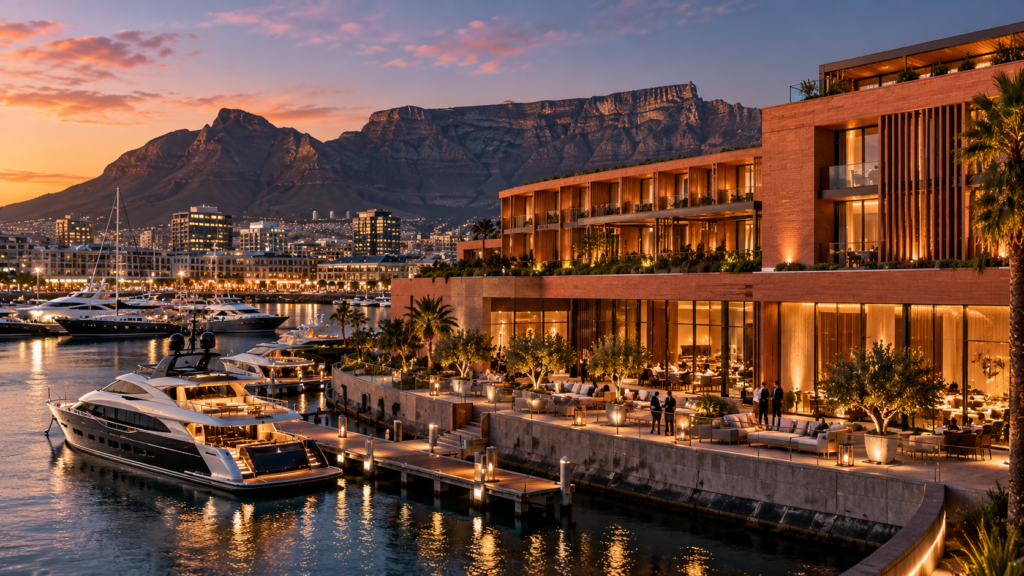
Dubrovnik remains the country’s flagship brand, drawing premium travelers with its medieval walls, yacht traffic and five-star hotel market. But crowd management and peak-season pricing are pushing more visitors toward alternatives. (The Times)
Split continues to gain share as a lifestyle gateway, combining Roman history, ferry access to islands and a growing food scene. Its strategic role as the main transport hub for Dalmatia makes it one of the strongest all-round destinations in the country.

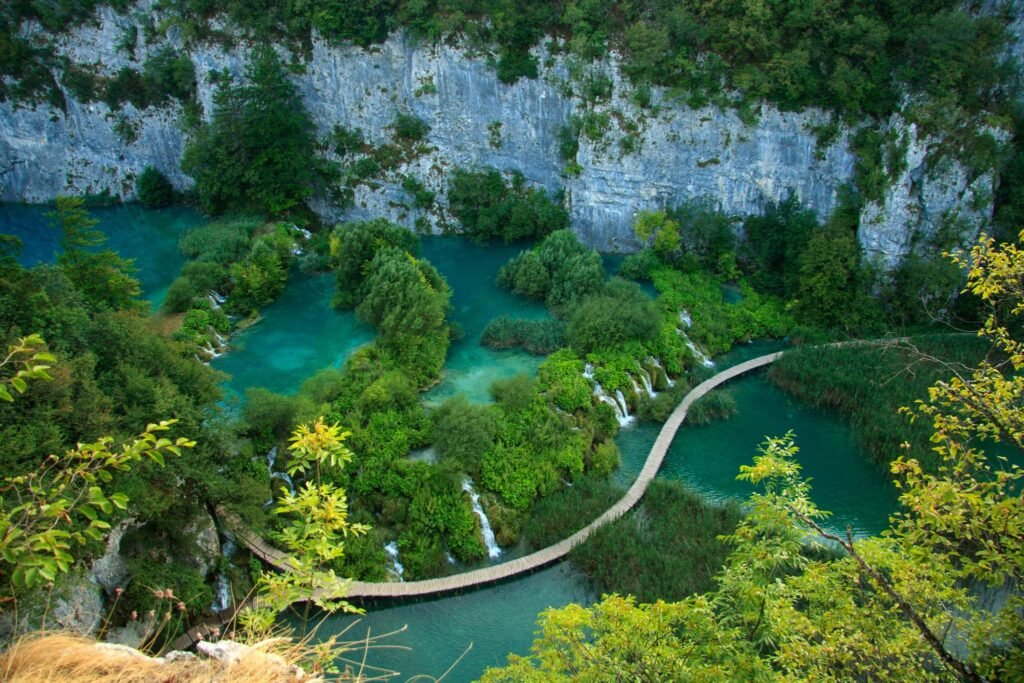
Nature tourism is also expanding rapidly. The Times highlighted both Plitvice Lakes and Krka National Park, showing continued demand for waterfalls, lakes and active outdoor travel rather than coast-only itineraries. (The Times)
Northern Croatia is seeing renewed attention through Istria, where Rovinj, Pula and hilltop inland towns attract travelers seeking Italian-style charm, truffles, wine and boutique accommodation at often better value than western Mediterranean rivals.
Zagreb remains underrated but strategically important. The capital is increasingly used for city breaks and shoulder-season travel thanks to museums, café culture and lower crowd density than coastal hotspots. (The Times)
Adventure tourism is another growth area. Omiš and Biokovo were cited for zip-lining, hiking and mountain access, signaling how Croatia is broadening its tourism identity beyond beaches and yachts. (The Times)

For Slovenian travelers, Croatia remains one of the most accessible premium-value options in Europe due to proximity, road access and familiarity. Weekend escapes to Istria, Kvarner and Dalmatia remain especially attractive.
For investors, Croatia’s tourism momentum supports hospitality, real estate, marinas, restaurants and transport sectors. The key challenge now is balancing growth with sustainability, affordability and overtourism management.
The broader takeaway is that Croatia in 2026 is no longer just a summer backup to Italy or Greece. It has become a first-choice destination in its own right.
Sources
The Times – 13 of the best places to visit in Croatia in 2026 (The Times)
The Times – Croatia travel guide (The Times)
Rick Steves – Croatia guide (ricksteves.com)