Jefferies has upgraded restaurant operator Texas Roadhouse to a Buy rating, describing the company’s recent share-price pullback as a potentially attractive entry point for investors. The investment bank raised its price target from $186 to $190 per share, citing the chain’s operating performance, customer demand and potential relief from rising beef costs.
The October 14 upgrade came after Texas Roadhouse underperformed several restaurant-sector peers. Jefferies believes the company can continue delivering solid sales and earnings growth without relying on an unusually high valuation multiple.

A Quality Business at a Lower Valuation
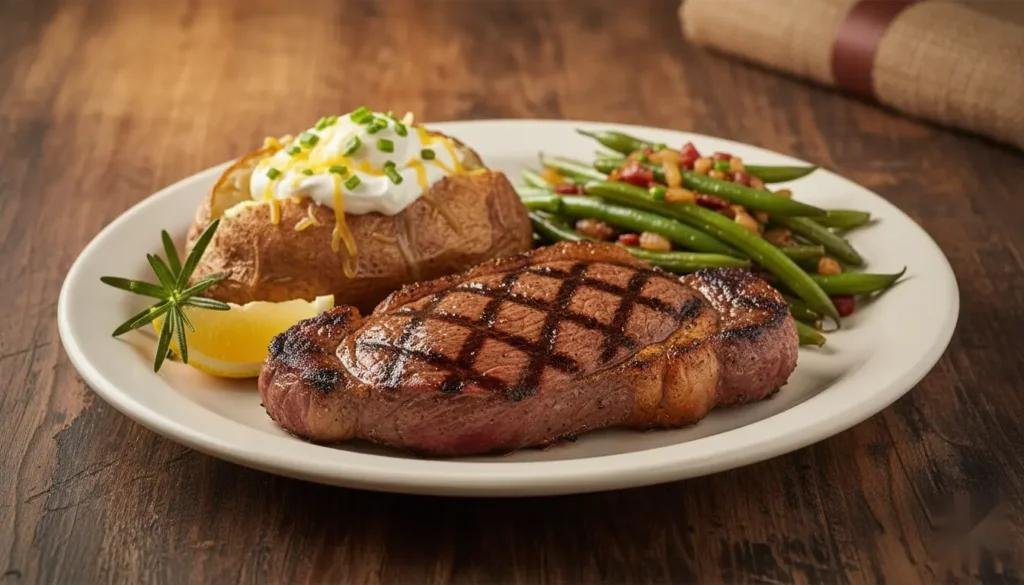
Texas Roadhouse operates casual-dining restaurants known for steaks, freshly prepared sides and a lively dining experience. Jefferies analyst Andy Barish argued that the recent share-price weakness had created a more attractive valuation relative to the company’s underlying business performance.
The investment case rests on the chain’s ability to maintain customer traffic, deliver consistent service and expand its restaurant network. These factors can help support sales even when consumers become more selective about discretionary spending.
Restaurant businesses remain exposed to wage inflation, food costs and changes in household budgets. However, brands that maintain customer loyalty and execute consistently may be better positioned to defend their market share.
Beef Costs Could Ease
One potential catalyst is a moderation in beef inflation. Steak is a major component of Texas Roadhouse’s menu, making meat prices an important influence on restaurant-level margins.
Jefferies expects easing beef-cost pressures to provide additional earnings support in 2027. Healthier cattle inventories, improving supply conditions and more favourable year-on-year comparisons could help reduce the pressure that elevated ingredient costs have placed on the restaurant industry.
If input costs moderate while customer traffic remains resilient, Texas Roadhouse could benefit from improved profitability. However, the timing and scale of any cost relief remain uncertain, and food prices are only one part of the company’s overall cost structure.
Expansion Supports Long-Term Growth
The company’s growth strategy also relies on opening additional restaurants. Jefferies expects mid-single-digit unit growth to contribute to revenue expansion, alongside continued performance from existing locations.
Its smaller restaurant concepts, including Bubba’s 33, could provide another source of growth over time. Expansion nevertheless requires investment in new locations, staff and operating infrastructure, meaning that revenue growth does not automatically translate into equivalent growth in free cash flow.
Investors will want to see whether new restaurants can achieve attractive returns while the company maintains the service quality and consistency that underpin its brand.
What the $190 Price Target Means
Jefferies’ $190 target represents the analyst’s assessment of the share price over the relevant forecast horizon, not a guaranteed future value. The upgrade followed a period of underperformance, with the bank arguing that the market had become too pessimistic about the company’s prospects.
The target depends on assumptions about customer demand, restaurant expansion, operating margins and valuation. If sales weaken, labour expenses rise or beef costs remain elevated, the expected improvement in profitability may not materialise.
Investors should also compare the company’s valuation with its historical range and competitors, rather than relying on a single analyst target.
Key Takeaways for Investors
Texas Roadhouse illustrates how a well-established consumer business can attract renewed interest when its share price weakens despite relatively resilient operating fundamentals.
Jefferies sees potential support from customer demand, restaurant expansion and improving beef-cost comparisons. The central question is whether those factors will be strong enough to sustain above-average earnings growth and justify a higher valuation.
For investors, the opportunity depends on the price paid, the company’s ability to execute its growth strategy and the risks facing the wider restaurant industry. An analyst upgrade is a useful input into that assessment, but it is not a substitute for independent research.