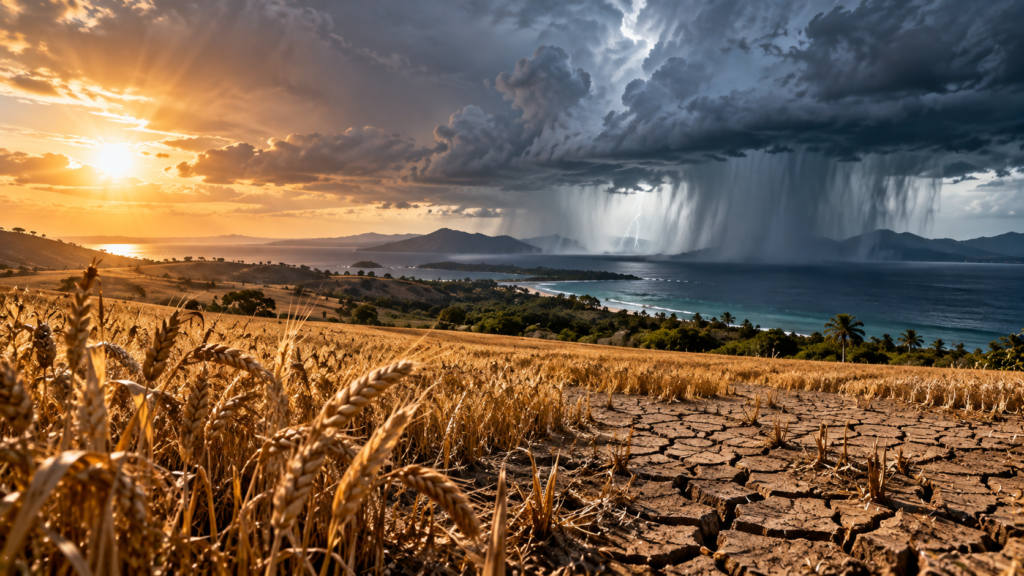
A powerful El Niño developing in the Pacific Ocean is raising concerns about global food production, commodity prices and inflation as changing weather patterns increase the risk of drought in some regions and flooding in others.
The World Meteorological Organization expects the current event to strengthen through late 2026, potentially making it one of the strongest El Niño episodes since records began in 1950. The US National Oceanic and Atmospheric Administration also reports that the phenomenon is intensifying, with elevated risks of significant climate impacts through the Northern Hemisphere winter.
El Niño is a natural climate pattern caused by unusually warm surface waters in the central and eastern tropical Pacific. It changes atmospheric circulation, shifting rainfall and temperature patterns across multiple continents. The term “Super El Niño” is widely used in media coverage but is not an official WMO classification.
Why Food Production Is at Risk
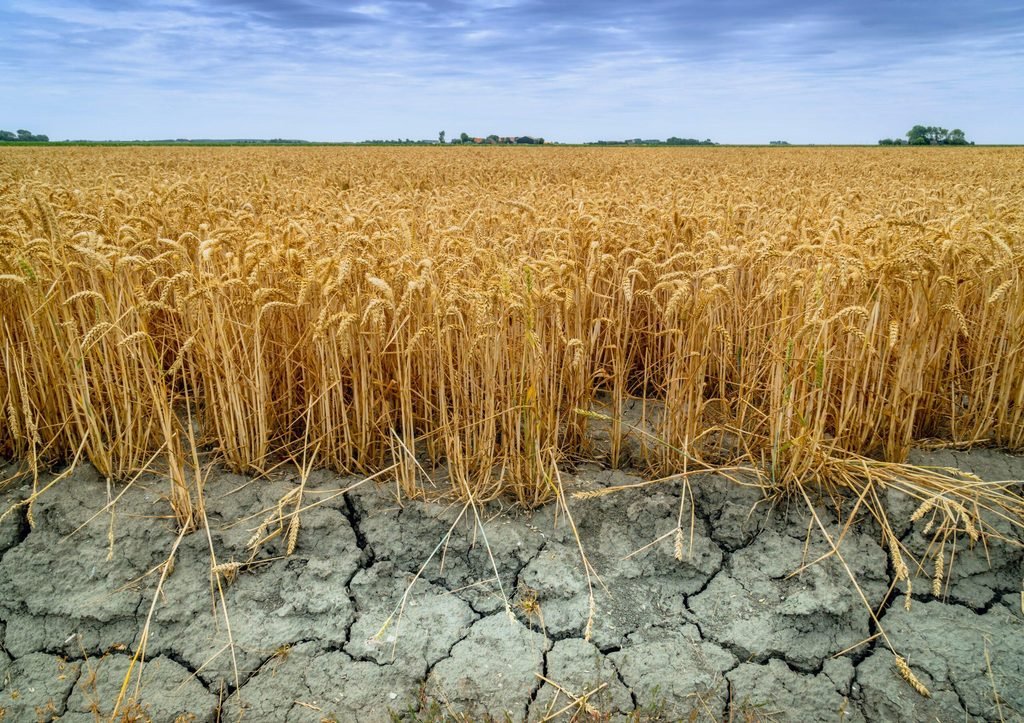
Agriculture depends heavily on predictable rainfall and seasonal temperatures. El Niño can increase drought risk in Australia, Indonesia and parts of South Asia while raising the likelihood of heavy rainfall in parts of eastern Africa and South America.
For farmers, the consequences can include lower crop yields, delayed planting, damaged harvests and increased irrigation costs. Flooding can also disrupt transport infrastructure, storage facilities and access to agricultural inputs.
The effects vary by crop and region. Rice, wheat, maize, coffee, cocoa and sugar can all be exposed to weather disruptions, although the direction and scale of the impact depend on local growing conditions.
Drought and extreme rainfall can threaten harvests in different parts of the world.
Commodity Prices and Inflation
Weather-related production losses can tighten supplies and push prices higher, particularly when several major producing regions are affected at the same time. Food manufacturers, traders and retailers may face higher procurement costs, while consumers can experience renewed pressure on grocery bills.
The impact is not automatic. Existing inventories, alternative suppliers, trade policies and the timing of harvests can cushion shortages. Currency movements and energy prices also influence the final cost of food.
For financial markets, the main concern is whether weather disruption becomes large enough to affect global supply balances and inflation expectations. Agricultural futures, food-company margins and the currencies of commodity-exporting economies are among the indicators investors may watch.
What Comes Next
Forecasts point to a strong El Niño through the coming months, but its effects will differ by location and season. Seasonal outlooks indicate probabilities, not certainty, and cannot predict every local flood, drought or crop failure.
Governments, farmers and food companies will need to monitor regional forecasts and prepare for changing water availability, heat stress and transport disruption. For investors, the distinction between a climate warning and a confirmed supply shock will be critical.
The economic consequences will depend not simply on how strong El Niño becomes, but on where its effects emerge, how long they persist and how well food supply chains adapt.
Sources
- Bloomberg — What Is a Super El Niño? How It Affects Weather and Food Production — October 12, 2026. Original reference article.
- World Meteorological Organization — Sea-Surface Temperatures Reflect Strengthening El Niño — October 2026. Climate outlook and regional weather risks.
- NOAA — ENSO Diagnostic Discussion — Official monitoring and forecasts for El Niño.
- NOAA — Understanding El Niño — Scientific background on weather patterns and regional impacts.
- T. Rowe Price — El Niño Returns: From Climate Signal to Sovereign Risk — September 2026. Economic and investment implications.