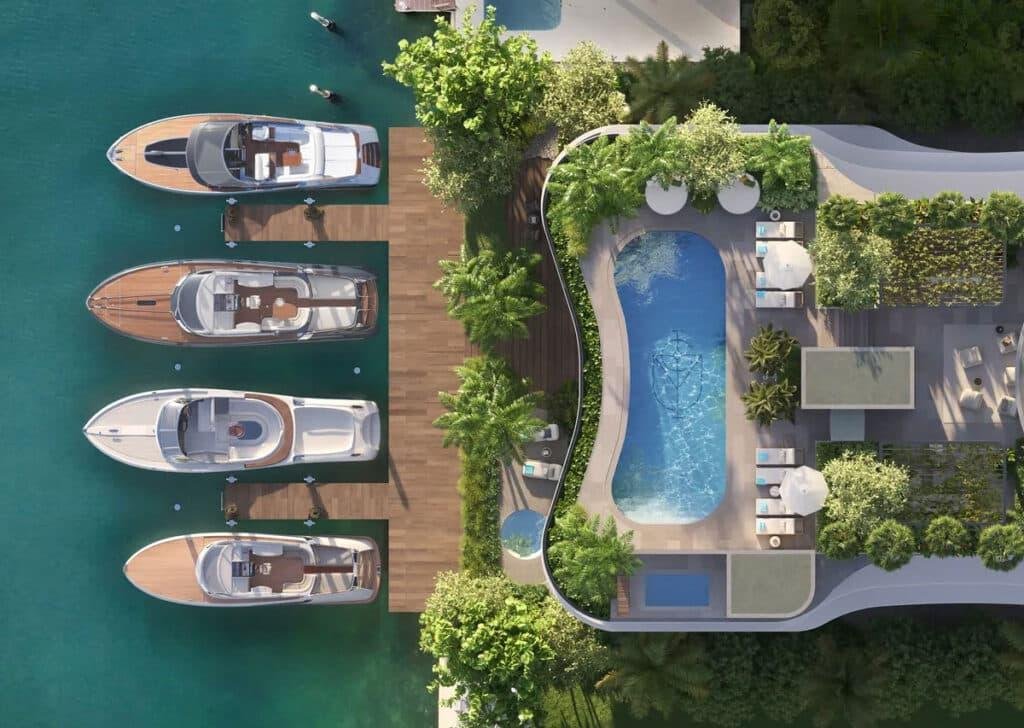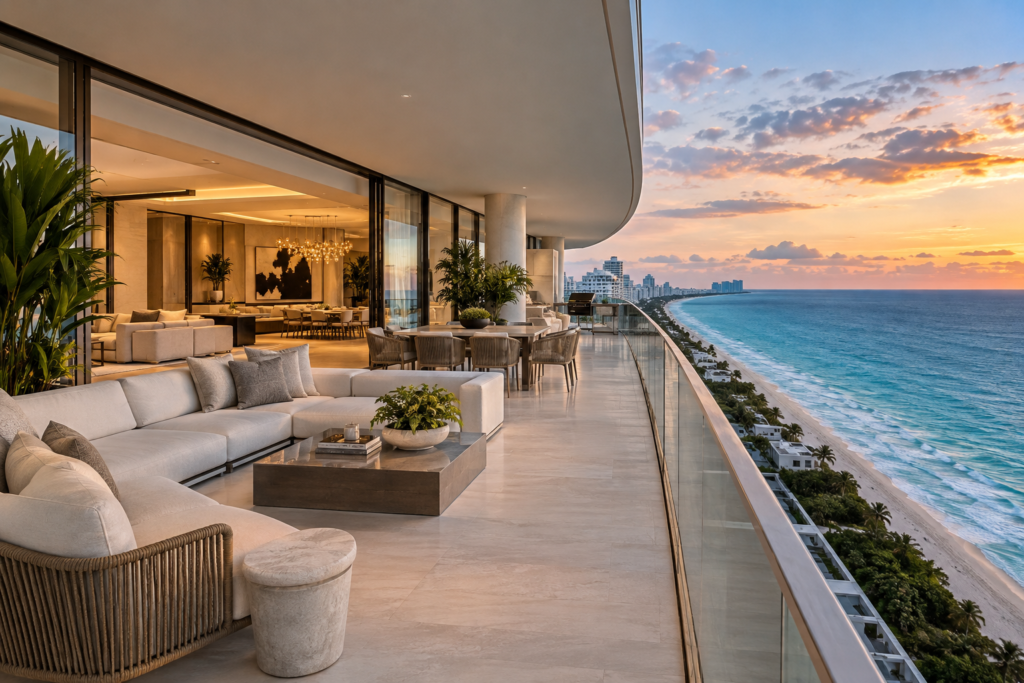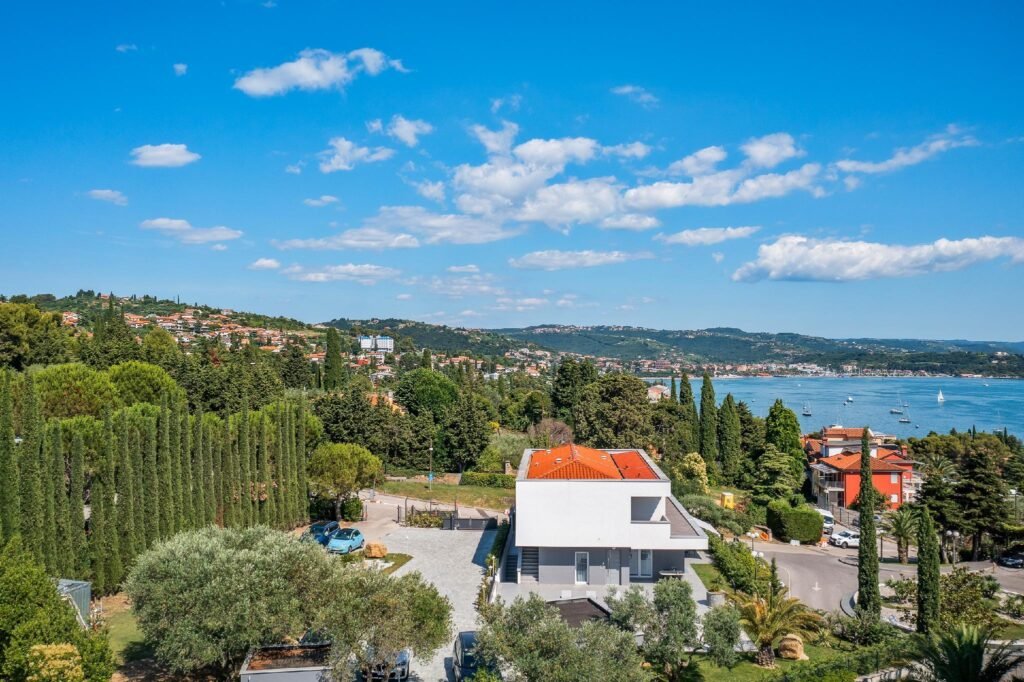
Slovenia’s premium real estate market is increasingly shifting away from public listings, with a growing share of top-tier transactions now taking place privately through so-called off-market sales.
A recent Cekin.si market report said many deals in the luxury segment are no longer publicly advertised, as wealthy buyers and sellers prioritize privacy, discretion and targeted matchmaking over open-market exposure. The trend mirrors practices long established in London, Dubai and other high-end global property hubs. (Cekin)
In practical terms, off-market sales involve properties marketed directly to vetted buyers through brokers, family offices, private networks or selected investors. Listings may never appear on mainstream portals, limiting public visibility while preserving confidentiality.
Industry sources cited in the report said demand is strongest for newly built villas, high-end houses and luxury penthouses in premium locations, particularly Ljubljana and surroundings, Gorenjska and the Slovenian coast. Interest is also rising for secluded villas and land parcels offering maximum privacy. (Cekin)

The shift suggests Slovenia’s wealth market is maturing. Buyers at the top end are no longer purchasing only square meters, but lifestyle assets defined by micro-location, views, design quality, privacy and flawless legal documentation.
Although more homes above €1 million are now on the market than in previous years, true luxury stock remains scarce. One broker cited in the article estimated genuinely top-tier properties represent less than 0.5% of supply, helping sustain premium pricing. (Cekin)
That scarcity is especially important in a small market such as Slovenia, where trophy assets are naturally limited. Historic townhouses, architect-designed villas and waterfront homes in unique locations can command outsized premiums because comparable alternatives are rare.
The Slovenian coast remains one of the strongest luxury zones, with Portorož, Piran, Izola and surrounding areas benefiting from seaside appeal and second-home demand. Meanwhile, Ljubljana attracts domestic capital seeking prestige urban residences and diplomatic-grade homes.

For investors, off-market activity often signals confidence among affluent buyers. It can also indicate that public asking prices fail to capture real demand for trophy assets, pushing serious transactions into private channels.
For Slovenian households, however, the trend reinforces a two-speed housing market: while mainstream buyers face affordability pressure, elite buyers continue competing for scarce premium homes.
Looking ahead, the luxury segment is likely to remain supported by limited supply, rising domestic wealth and selective foreign interest. In 2026, Slovenia’s most expensive homes are increasingly sold quietly — not publicly.
Sources
Cekin.si – Kako poteka off-market prodaja luksuznih nepremičnin v Sloveniji? (Cekin)
Cekin.si property archive – luxury housing coverage (Cekin)