Artificial intelligence is rapidly becoming a core business tool as companies across industries seek higher productivity, stronger customer engagement and faster decision-making. Once viewed as an experimental technology, AI is now being integrated into day-to-day operations ranging from finance and marketing to human resources and logistics. (Investopedia)
Executives are increasingly treating AI as a strategic investment rather than a side project. The technology’s appeal lies in its ability to process large amounts of data, automate repetitive tasks and uncover patterns that would take humans significantly longer to identify.

Customer Service Sees Early Gains
One of the most visible areas of AI adoption is customer support. Businesses are deploying chatbots, voice assistants and automated help systems to respond to routine requests around the clock. These tools can reduce waiting times, lower service costs and free human staff for more complex issues. (Investopedia)
Retailers and banks are also using AI to personalize customer interactions. By analyzing user behavior and preferences, companies can tailor product suggestions, marketing campaigns and communication in real time.
Data Analysis Drives Smarter Decisions
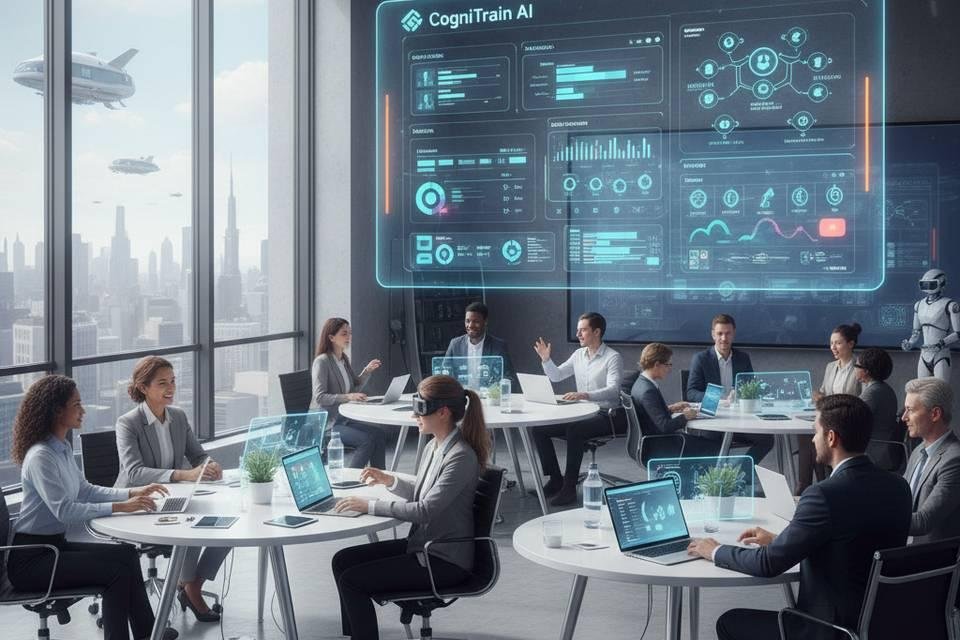
AI is proving especially valuable in data-heavy sectors where speed matters. Companies can use machine learning systems to review historical and live data, identify trends and forecast demand more accurately.
That can help management teams make decisions on pricing, inventory, hiring and expansion plans with better visibility. Businesses that previously relied on slower manual reporting are increasingly shifting toward AI-supported planning systems. (Investopedia)

Automation Changes Back-Office Operations
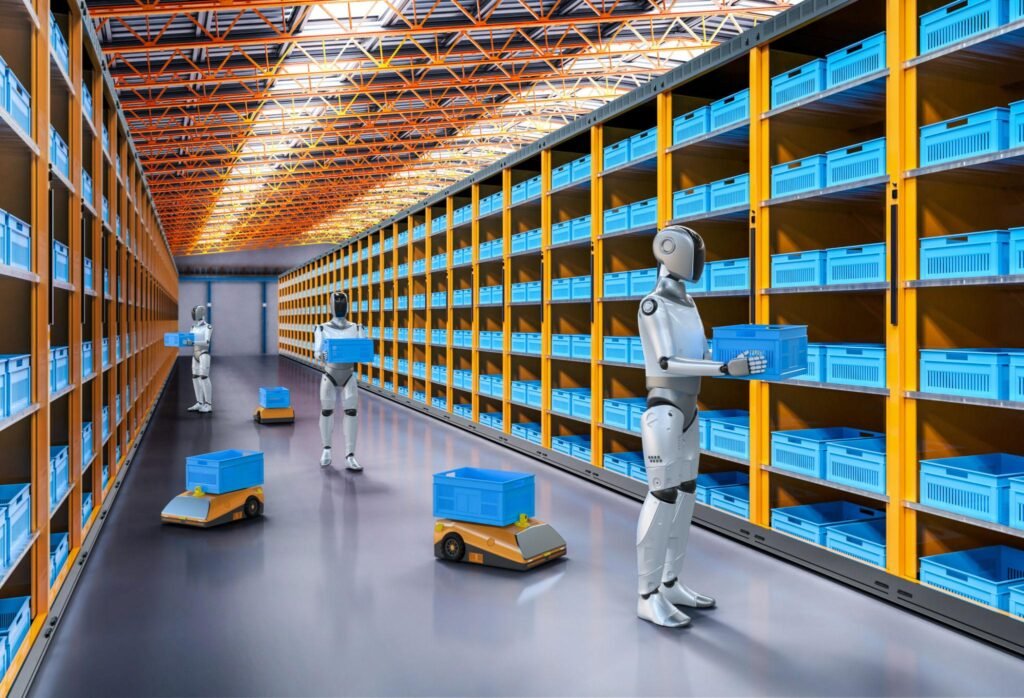
Another major use case is process automation. AI tools can handle tasks such as scheduling, data entry, document summaries, transcription, invoicing and internal reporting. This allows companies to reduce repetitive workloads and redirect staff toward higher-value functions.
Small businesses are also entering the trend, helped by lower-cost cloud software and free entry-level AI tools. Accounting, marketing content creation and workflow management are among the fastest-growing areas for smaller firms. (Investopedia)
HR and Recruitment Enter the AI Era
Human resources departments are increasingly using AI to screen CVs, summarize applications and identify candidate matches. Internal teams also use AI for training content, onboarding support and employee knowledge systems.
While these systems can save time, companies face growing scrutiny over fairness, bias and privacy when using AI in hiring or workforce monitoring.

Risks Remain Despite Optimism
Despite the momentum, business leaders continue to weigh risks linked to AI deployment. These include inaccurate outputs, cybersecurity threats, regulatory uncertainty and overdependence on automated decisions.
Many firms are now combining AI tools with human review rather than allowing full automation in sensitive functions such as finance, compliance or hiring.
Outlook
Artificial intelligence is increasingly shifting from optional innovation to competitive necessity. Companies that implement AI effectively may gain advantages in speed, cost control and customer experience, while slower adopters risk losing ground in fast-moving markets.
For investors, the next phase of AI adoption may be less about hype and more about measurable returns on productivity and profitability.
Sources
- Investopedia: How AI Is Used in Business
- Investopedia: How to Use AI in Business Planning
- Investopedia: How Small Businesses Can Use AI Tools
- Business Insider: AI in Action series